

Was St Patrick Born Ireland? The Surprising Truth
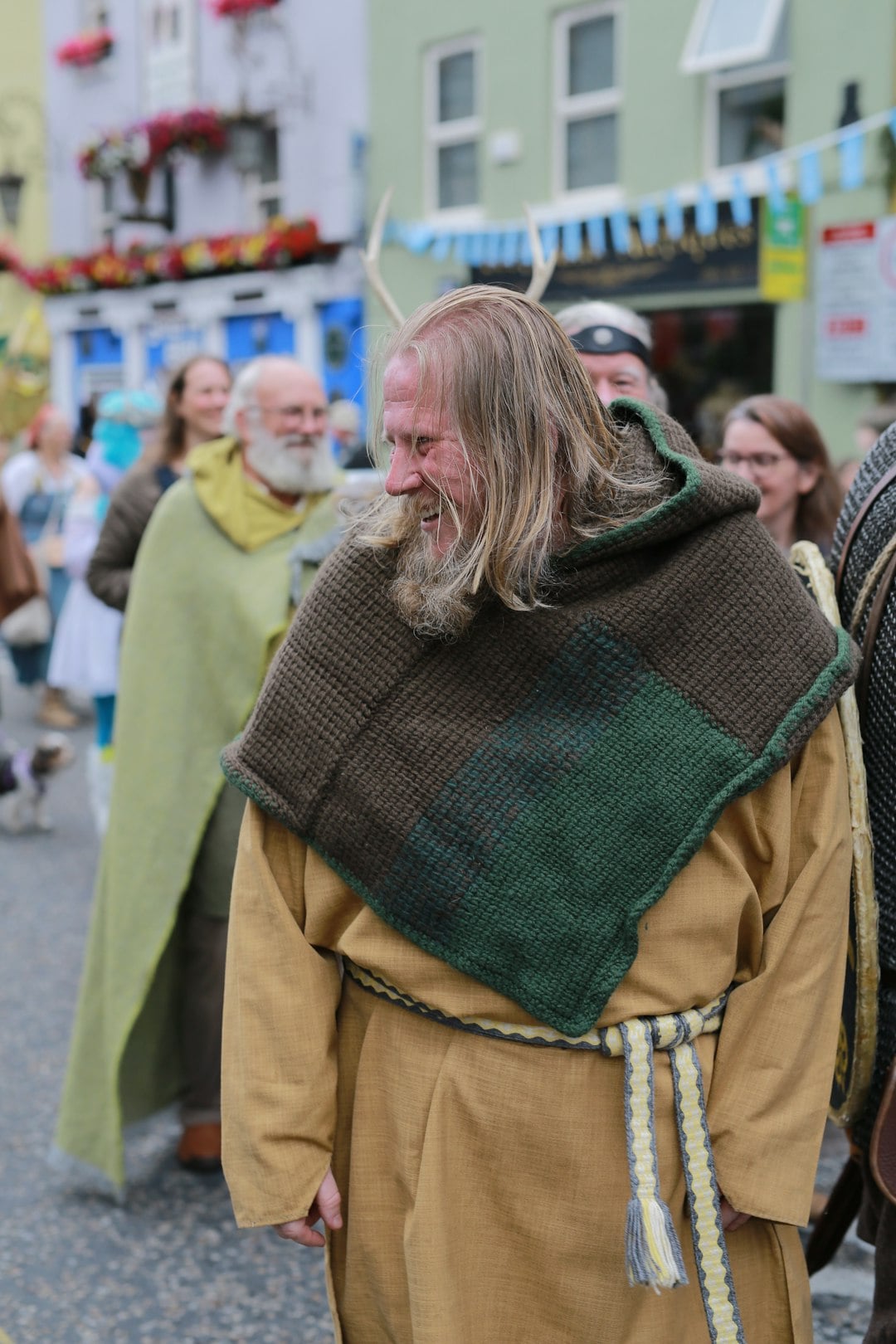
Many people around the world celebrate St Patrick’s Day with parades, green attire, and a hearty appreciation of all things Irish. Yet, a common question arises: was St Patrick born Ireland? The answer may surprise you and delve deep into Irish history and the story of the patron saint of Ireland. Understanding St Patrick’s origins not only enriches the celebration of St Patrick’s Day but also highlights the fascinating journey of a man who became synonymous with Irish identity. Join us as we explore the history behind St Patrick, uncover intriguing facts, and learn why his legacy continues to resonate with the Irish diaspora worldwide.
St Patrick Born Ireland? Exploring the Historical Evidence
Contrary to popular belief, St Patrick was not born in Ireland. Historical records and scholarly research suggest that Patrick was born in Roman Britain, likely in what is now England, Wales, or Scotland, around the late 4th century AD. His birthplace remains somewhat uncertain due to limited documentation, but it is widely accepted that he was a Roman Briton by birth. At the age of sixteen, Patrick was captured by Irish raiders and taken as a slave to Ireland, where he spent several years before escaping back to his family.
This early period of captivity and subsequent spiritual awakening in Ireland would shape Patrick’s destiny. After becoming a Christian cleric, he returned to Ireland as a missionary, dedicating his life to converting the Irish to Christianity. Thus, although he was not born on Irish soil, his profound impact on the island earned him the status of its patron saint. This story is a testament to how intertwined Patrick’s life became with Ireland’s history and culture.
The Origins of St Patrick’s Day and Its History
St Patrick’s Day history is rooted in the annual feast day established by the Catholic Church to honour Patrick’s death, traditionally dated to 17 March 461 AD. Initially a religious occasion, it commemorated Patrick’s missionary work and the Christianisation of Ireland. Over centuries, the day evolved into a broader celebration of Irish heritage and culture, especially among the Irish diaspora worldwide.
Today, St Patrick’s Day is recognised globally, with parades, music, and festivities that celebrate Irish identity. The day has become a symbol of national pride and cultural expression, reflecting why Irishness is celebrated all over the world. While the saint himself was not Irish by birth, his life and work are inseparable from Ireland’s spiritual and cultural history.
St Patrick as Patron Saint Ireland: Legacy and Impact
St Patrick’s status as patron saint Ireland is a result of his enormous influence in the early Christian church and Irish society. Through his missionary efforts, he is credited with converting much of the Irish population from paganism to Christianity. His legacy includes the establishment of churches, schools, and monasteries, which laid the foundation for Ireland’s religious and cultural development.
Patrick’s enduring symbolism extends beyond religion; he represents resilience, faith, and Irish identity. For the Irish diaspora, particularly in countries like the United States, Australia, and the United Kingdom, he embodies a connection to their ancestral homeland. It is often said that everyone is a little bit Irish on St Patrick’s Day, reflecting the universal appeal of his story.
Fascinating St Patrick Facts You Might Not Know
While many are familiar with the shamrock and the legend of driving snakes out of Ireland, several lesser-known St Patrick facts add depth to his story. For example, the shamrock was used by Patrick to explain the concept of the Holy Trinity (Father, Son, and Holy Spirit) to the Irish people, helping to bridge Christian theology with local tradition.
Another intriguing fact is that St Patrick’s Day was originally a solemn religious observance, and the widespread secular celebrations are a relatively modern development. Moreover, the colour green, now synonymous with the day, was not always the primary colour associated with Patrick; blue was once more commonly linked to him.
Exploring places like Dublin Castle and other historical sites offers a tangible connection to Ireland’s past and Patrick’s enduring influence on the nation’s heritage.
| Birthplace | Roman Britain (likely England, Wales, or Scotland) |
| Captured By | Irish raiders at age 16 |
| Missionary Work | Converted Ireland to Christianity |
| St Patrick’s Day | Celebrated annually on 17 March |
| Symbols | Shamrock, green colour, Celtic crosses |
| Legacy | Patron saint of Ireland and Irish diaspora worldwide |
Frequently Asked Questions
Was St Patrick actually born in Ireland?
No, St Patrick was born in Roman Britain, not Ireland. He was brought to Ireland as a slave before later returning as a missionary.
Why is St Patrick the patron saint of Ireland?
St Patrick is the patron saint because of his role in spreading Christianity throughout Ireland and shaping the country’s religious and cultural identity.
What is the origin of St Patrick’s Day?
St Patrick’s Day originated as a religious feast day commemorating Patrick’s death, eventually evolving into a global celebration of Irish culture.
Why is the shamrock associated with St Patrick?
Patrick used the shamrock to illustrate the Christian doctrine of the Holy Trinity to the Irish people, making it a symbol of his teachings.
Is green the original colour associated with St Patrick?
Originally, blue was more commonly linked to St Patrick, but green became dominant due to its association with Ireland and its landscape.
Plan Your Ireland Experience
Ready to experience Ireland for yourself? Book a St Patrick’s Day experience in Dublin and create memories that will last a lifetime.
Conclusion: Embracing the True Story of St Patrick
The question of whether St Patrick was born Ireland invites us to look beyond myths and legends to appreciate the rich history behind Ireland’s most celebrated figure. Though his birthplace lies outside Ireland, his life’s work and spiritual mission irrevocably linked him to the island’s identity and culture. As we celebrate St Patrick’s Day and remember the patron saint of Ireland, we honour a story of resilience, faith, and the enduring power of cultural heritage. For the Irish diaspora and admirers of Irish culture worldwide, understanding St Patrick’s true story deepens the appreciation of why Irishness is celebrated all over the world and why everyone is a little bit Irish, especially on this special day.
Continue Planning
- The Secret to Perfectly Fluffy Homemade Buttermilk Waffles
- How to Make a Traditional Irish Batch Loaf at Home
- How to Make Classic Puff Pastry from Scratch at Home
☘️ You Might Also Love
☘️ Want More Hidden Ireland?
Join 64,000+ subscribers who discover Ireland’s best-kept secrets every week.
Subscribe Free — Join the Community →
Free forever · Unsubscribe anytime · No spam
📥 Free Download: Ireland Travel Planning Guide
Our most popular resource — itineraries, insider tips, and the 50 places you must not miss.
Tours & experiences you might love


Powered by Viator. Some links are affiliate links — we may earn a small commission at no extra cost to you.
Secure Your Dream Irish Experience Before It’s Gone!
Planning a trip to Ireland? Don’t let sold-out tours or packed attractions spoil your journey. Iconic experiences like visiting the Cliffs of Moher, exploring the Rock of Cashel, or enjoying a guided walk through Ireland’s ancient past often sell out quickly—especially during peak travel seasons.

Booking in advance guarantees your place and ensures you can fully immerse yourself in the rich culture and breathtaking scenery without stress or disappointment. You’ll also free up time to explore Ireland’s hidden gems and savour those authentic moments that make your trip truly special.
Make the most of your journey—start planning today and secure those must-do experiences before they’re gone!