

Someone asked it on Facebook and the thread exploded. “If you could only take carry-on luggage for a year, what’s the first thing you’d cut?” Thousands of replies. Most people’s answers said a lot about how they actually travel — and how much they carry that they never use.
If you’re planning a trip to Ireland, this question matters more than you might think. Many budget airlines flying into Dublin, Shannon, Cork, and Knock now charge more for checked baggage than the ticket itself. And Ireland’s smaller airports and rural transport links mean you’ll often be carrying your bag through cobblestoned streets, up narrow guesthouse stairs, and onto local buses. The lighter you travel, the easier the whole trip becomes.
Here’s what regular travellers say you should cut first — and what the actual carry-on rules mean for a trip to Ireland.
Why Carry-On Only Changes the Way You Travel
It’s not just about saving money on baggage fees, though that matters. Ryanair’s checked bag charges can run from €25 to €40 each way. Aer Lingus charges similar rates. On a return trip, that’s potentially €80 or more — often more than the base fare itself.
The bigger shift is time and freedom. You walk off the plane and straight to the exit. No waiting at the carousel. No risk of your bag being delayed or lost. You can take a later flight if you need to, or change plans without the logistical headache of a large suitcase.
For Ireland in particular — where you might want to hop between Dublin, the west coast, and a rural county all in one trip — carry-on only is a genuine advantage. You can move freely, store your bag in a locker, and get on with actually seeing the country.
Get the best of Ireland in your inbox every week. Travel tips, hidden gems, and stories from across the island — straight to you. Subscribe to the Love Ireland newsletter →
The First Thing Most People Cut
Shoes. Nearly every experienced traveller points to shoes as the single biggest space waster. Most people pack three or four pairs and wear two. The rule most stick to: two pairs maximum, and one of them is on your feet at the airport.
For Ireland, comfortable waterproof walking shoes or boots are non-negotiable. The weather changes fast, the ground is often wet, and you’ll be walking more than you expect — along cliff paths, through city centres, across farmland. A pair of smart-casual shoes or clean trainers covers evenings out. That’s two pairs. That’s enough.
The flip-flops, the heels, the hiking sandals — these are what get cut first. And most people who cut them say they never missed them.
Clothing for Irish Weather
Irish weather in a single sentence: four seasons in one day, and the forecast is always partially wrong. The practical response isn’t to pack for every scenario — it’s to pack layers that work in combination.
A base layer, a mid layer (fleece or light knitwear), and a waterproof outer layer covers almost everything. Add a couple of t-shirts and one smarter top for evenings. For trousers, two pairs — one casual, one that can pass for smart. Jeans are heavy; merino wool or travel-weight trousers take up far less space and dry faster.
The trick with carry-on clothing is choosing fabrics that dry overnight and resist wrinkles. Merino wool is ideal for Ireland — it’s warm, odour-resistant, and packs small. Synthetic travel fabrics work too. Heavy cotton is the enemy of carry-on travel.
On a one-week trip, most people wear an outfit twice. On two or more weeks, you wash items as you go — most accommodation in Ireland has laundry facilities or there’s a laundrette nearby in any town of reasonable size.
Toiletries and the 100ml Rule
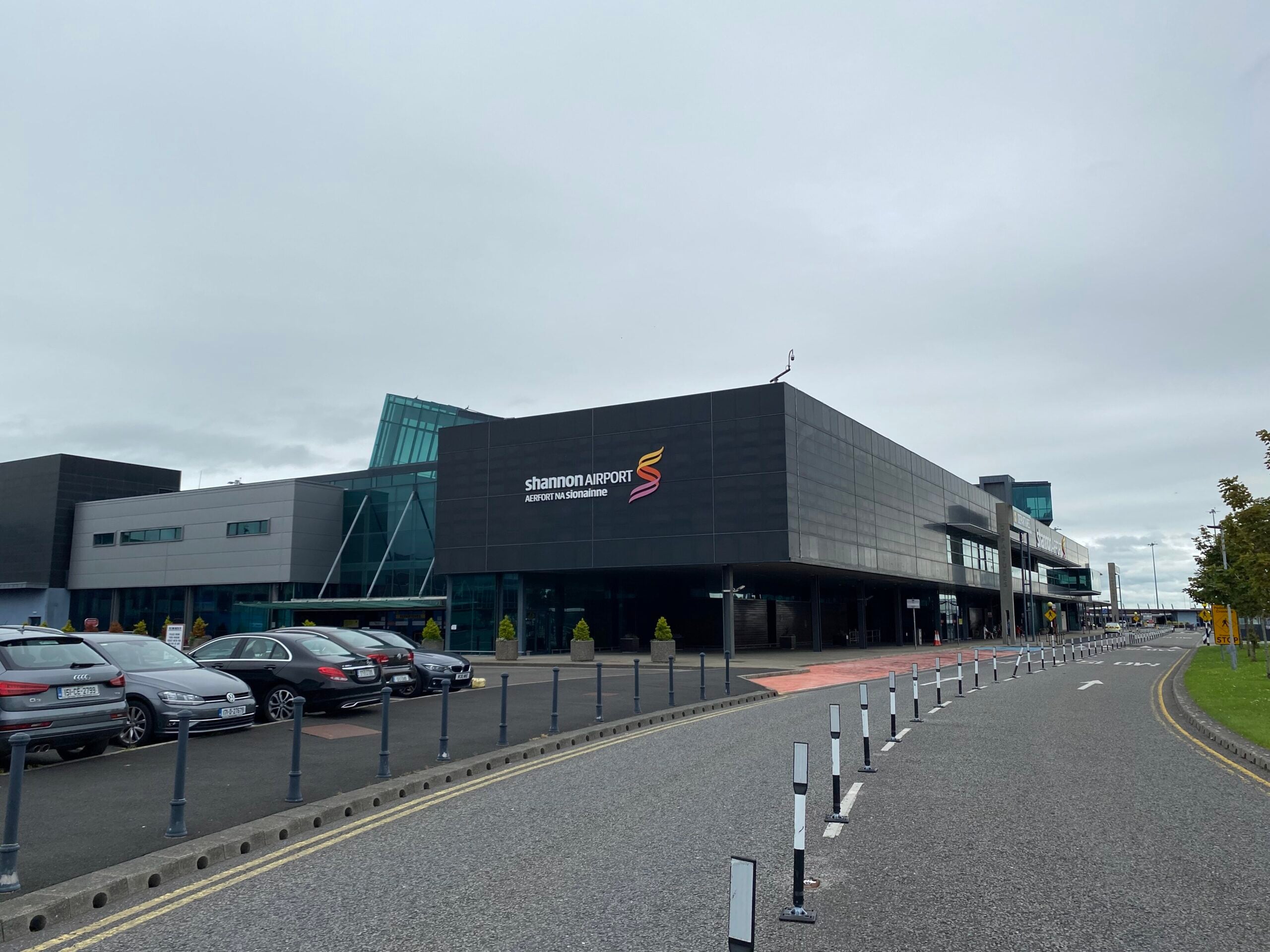
The classic EU rule is: liquids in a single clear plastic bag, each container no more than 100ml, total bag volume no more than one litre. That’s still the safe assumption at most Irish airports — but it’s no longer universal. Dublin Airport has scrapped the 100ml limit at its new CT/C3 security lanes, letting passengers carry containers up to two litres straight through screening without unpacking them. Cork Airport is expected to follow once its new scanners are installed, likely by the end of 2026. Shannon and Knock still enforce the traditional 100ml limit for now. Unless you know for certain your departure airport has upgraded, pack liquids as if the 100ml rule still applies.
The practical answer: decant what you actually use into small refillable bottles, and buy anything bulky on arrival. Shampoo, conditioner, shower gel, and sunscreen are all available in every Irish supermarket and pharmacy. There’s no need to carry full-sized bottles of anything.
Solid toiletries — shampoo bars, conditioner bars, solid sunscreen — bypass the liquid rule entirely and take almost no space. They’re now widely available online and in health shops across Ireland if you run out.
Prescription medication goes in your carry-on regardless of bag size — keep it in its original packaging with the prescription label, and carry a copy of the prescription separately.
Get the best of Ireland in your inbox every week. Travel tips, hidden gems, and stories from across the island — straight to you. Subscribe to the Love Ireland newsletter →
What You Almost Certainly Don’t Need
The list of things people pack and never use on an Ireland trip tends to look like this:
- A full-size travel towel — every accommodation provides towels. Even most hostels do now.
- A travel iron — hotels have them; choose wrinkle-resistant fabrics instead.
- Three novels — an e-reader holds a library and weighs 150 grams.
- “Just in case” outfits — the formal dinner, the fancy night out, the occasion that never happened. These are the biggest space wasters of all.
- A first aid kit the size of a small bag — a blister kit, pain relief, and any personal medication is sufficient. Ireland has pharmacies in every town.
- Multiple charging cables and adapters — Ireland uses the standard UK three-pin plug (Type G). One universal travel adapter is enough. USB-C now charges most devices from a single cable.
Bag Size Rules for Irish Routes
Carry-on allowances vary by airline. The main ones flying into Ireland:
- Ryanair — small personal bag (40x20x25cm) free; priority boarding required for larger cabin bag (55x40x20cm, up to 10kg). Non-priority passengers must check larger bags at the gate.
- Aer Lingus — one small personal item (max 25x33x20cm) is free on every fare. The 10kg cabin bag (55x40x24cm) is included free on Transatlantic, Plus, and Advantage fares; on the cheapest European Saver fares it costs extra to bring on board (from around €9.99) — though it can be checked into the hold for free instead.
- EasyJet — one small bag under the seat (45x36x20cm) free; larger overhead bag requires a bag fee or Plus fare.
Ryanair’s rules catch a lot of travellers out. If you don’t have priority boarding, a larger cabin bag gets pulled at the gate and you’re charged an oversized-bag fee on the spot — often around €70, well above what priority or a checked bag would have cost booked in advance. Worth knowing before you book.
Making Carry-On Work Across Multiple Destinations
Ireland is often one stop on a longer trip — Dublin to London, or a circuit that takes in Scotland, England, and the west of Ireland. Carry-on only makes moving between countries dramatically easier.
The key shift in mindset: stop trying to pack for every possible scenario. Ireland has shops. If you forget something or genuinely need it, you can buy it. The cost of almost anything you might need is far less than checked baggage fees, and far less than the hassle of carrying things you won’t use.
A packing cube system helps a lot. Separate cubes for clothes, electronics, and toiletries mean you can find things without unpacking everything at every stop. Compression cubes reduce the volume of soft clothing significantly.
Wear your bulkiest items on travel days — heaviest shoes, thickest jacket, any knitwear you want to bring. This keeps bag weight down without leaving things behind.
Get the best of Ireland in your inbox every week. Travel tips, hidden gems, and stories from across the island — straight to you. Subscribe to the Love Ireland newsletter →
The Real Answer to the Question
The Facebook thread that started this had thousands of replies. Shoes came up constantly. So did hairdryers (available in virtually every guesthouse and hotel in Ireland). So did “backup outfits” — the spare version of something already packed. And so did the phrase: “I’ve never needed it.”
The carry-on constraint isn’t really about what you cut. It’s about getting clear on what you actually use when you travel. Most people, when they’re honest, wear the same few things again and again. They use the same toiletries. They read one book, not three. They never open the first aid kit.
Carry-on only doesn’t mean roughing it. It means travelling with what you actually need. For a trip to Ireland — a week on the Wild Atlantic Way, a few days in Dublin, a weekend in Galway — that fits in a 40-litre bag with room to spare.
So: what would you cut first?
☘️ Join 64,000+ Ireland Lovers
Every weekday morning, get Ireland’s hidden gems, local secrets, and travel inspiration — the kind you won’t find in any guidebook.
Subscribe free — enter your email:
📲 Know someone who’d love this? Share on WhatsApp →
Love more? Join 43,000 Scotland lovers → · Join 29,000 Italy lovers → · Join 7,000 France lovers →
Free forever · Unsubscribe anytime
Tours & experiences you might love


Powered by Viator. Some links are affiliate links — we may earn a small commission at no extra cost to you.
Secure Your Dream Irish Experience Before It’s Gone!
Planning a trip to Ireland? Don’t let sold-out tours or packed attractions spoil your journey. Iconic experiences like visiting the Cliffs of Moher, exploring the Rock of Cashel, or enjoying a guided walk through Ireland’s ancient past often sell out quickly—especially during peak travel seasons.

Booking in advance guarantees your place and ensures you can fully immerse yourself in the rich culture and breathtaking scenery without stress or disappointment. You’ll also free up time to explore Ireland’s hidden gems and savour those authentic moments that make your trip truly special.
Make the most of your journey—start planning today and secure those must-do experiences before they’re gone!