

Scattered across almost every county in Ireland, beneath the calm surfaces of rivers and lakes, lie the remains of thousands of ancient homes. They were built by hand, stone by stone, in the middle of open water. And the people who built them never planned to leave.
A Home Like No Other
Ireland has over 1,200 identified crannóga — artificial islands built by hand in shallow lakes and rivers. The word comes from Old Irish, meaning “tree” or “timber structure”.
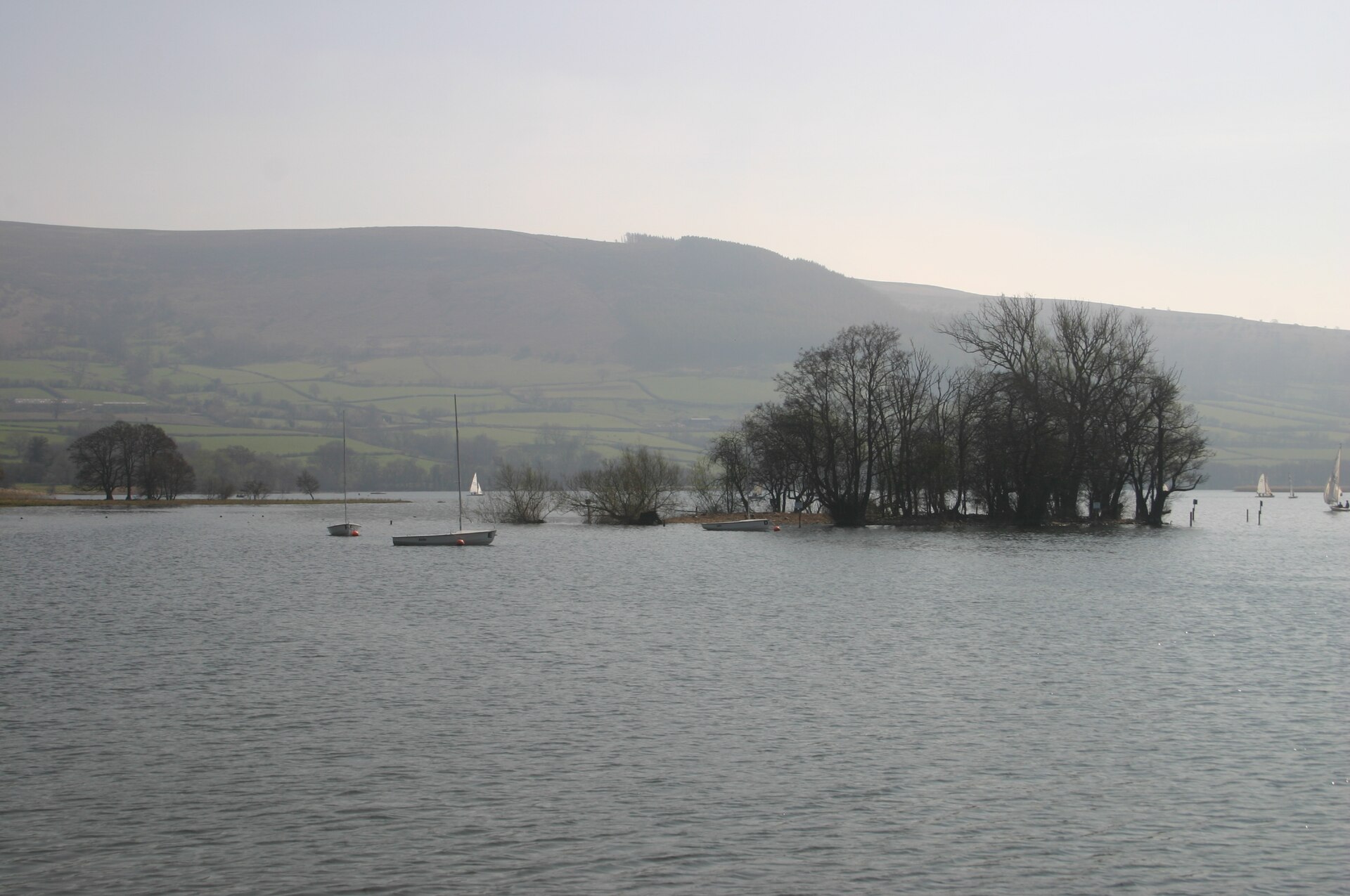
Builders drove timber piles into the lakebed, then layered rubble, peat, brushwood, and earth until an island formed above the waterline. Families then built their homes on top.
It sounds extreme. But from the Bronze Age right through to the 1600s, a crannóg was simply the safest place to be. These were occupied for over three thousand years — making them one of Ireland’s most enduring forms of settlement.
Why the Water?
The answer is almost always the same: protection.
Building on water gave a family a natural moat on every side. Attackers couldn’t approach without being heard. Animals couldn’t raid the livestock penned on the island overnight.
A narrow wooden causeway — usually submerged just below the surface, invisible to outsiders — connected the crannóg to the shore. The family knew exactly where to step. Enemies did not.
Some crannóga had no causeway at all. A small wooden boat was the only way in or out.
What Archaeologists Are Still Finding
The waterlogged conditions beneath a crannóg preserve things that would normally vanish within decades. Wooden butter bowls, leather shoes, combs carved from antler, fishing nets, beads, and personal jewellery have all been recovered.
In one famous case, a large wooden firkin of butter — still edible, if spectacularly rancid — was found buried in the mud beside a crannóg in County Offaly. The Irish had a tradition of burying butter in bogs to preserve it. Finding it beside a crannóg suggests the family planned to return for it. Whether they did, nobody knows.
These everyday objects — not swords or crowns, but shoes and bowls and combs — make crannóga feel astonishingly human. Someone lived here. Someone lost a shoe in that mud and had to wade in after it.
☘️ Enjoying this? 64,000+ Ireland lovers get stories like this every weekday morning. Subscribe free →
Life on the Island
Most crannóga were small — roughly fifteen to twenty metres across. A family might share that space with cattle, pigs, and dogs. Cooking was done over an open hearth. Water was drawn from the lake itself.
It wasn’t comfortable by modern standards. But some crannóga show evidence of multiple rebuilding phases, suggesting the same island was occupied for generations — sometimes centuries. The same family, or a succession of families, maintaining the same patch of reclaimed water.
Evidence from Lough Gara in Roscommon and Ballinderry in County Westmeath suggests crannóg communities were active from around 1500 BC right through to the 1600s AD — a span of over three thousand years. You can read more about Ireland’s ancient named territories and the stories behind them to understand how deeply layered this landscape really is.
Where to See One Today
The best surviving reconstruction is at Craggaunowen in County Clare. Built by archaeologist John Hunt in the 1960s based on actual excavation findings, it gives visitors a genuine sense of scale.
Stand on the island. Look back at the shore. The feeling of isolated security is immediate — quiet water on every side, and the faint sense that the causeway beneath the surface is the only thing connecting you to the rest of the world.
Lough Gara in Roscommon is also worth visiting. Over 300 crannóga have been identified there — more than any other lake in Ireland. When the lake was partially drained in the 1950s to reclaim farmland, the exposed shoreline revealed a Bronze Age world sealed underwater for millennia.
If you’re planning a trip to discover Ireland’s hidden history, our Ireland trip planning guide covers heritage sites from Clare to Roscommon and beyond.
What the Lakes Are Still Hiding
Most crannóga have never been properly excavated. The technology and funding required for underwater archaeology mean the majority remain sealed beneath their lakes, untouched.
Each one holds whatever its last family left behind — tools, food scraps, the traces of a daily life that existed long before written records. The ancient currach, that equally enduring Irish vessel, crossed these same waters; Ireland’s ancient boats haven’t changed in 3,000 years, and neither, it seems, has the Irish impulse to live with water rather than against it.
Every time you look out across an Irish lake, there’s a reasonable chance something ancient is resting on its bed. Not ruins. Homes. Places where children grew up, fires were lit, and families spent their entire lives surrounded by still water, watching the shore.
The crannóg builders weren’t hiding from history. They were making it.
☘️ You Might Also Love
Tours & experiences you might love


Powered by Viator. Some links are affiliate links — we may earn a small commission at no extra cost to you.
Secure Your Dream Irish Experience Before It’s Gone!
Planning a trip to Ireland? Don’t let sold-out tours or packed attractions spoil your journey. Iconic experiences like visiting the Cliffs of Moher, exploring the Rock of Cashel, or enjoying a guided walk through Ireland’s ancient past often sell out quickly—especially during peak travel seasons.

Booking in advance guarantees your place and ensures you can fully immerse yourself in the rich culture and breathtaking scenery without stress or disappointment. You’ll also free up time to explore Ireland’s hidden gems and savour those authentic moments that make your trip truly special.
Make the most of your journey—start planning today and secure those must-do experiences before they’re gone!