

On the night of 6 January 1839, most of Ireland was asleep. The date was Little Christmas — Nollaig na mBan — and families had just finished their celebrations. By morning, nothing would be the same.
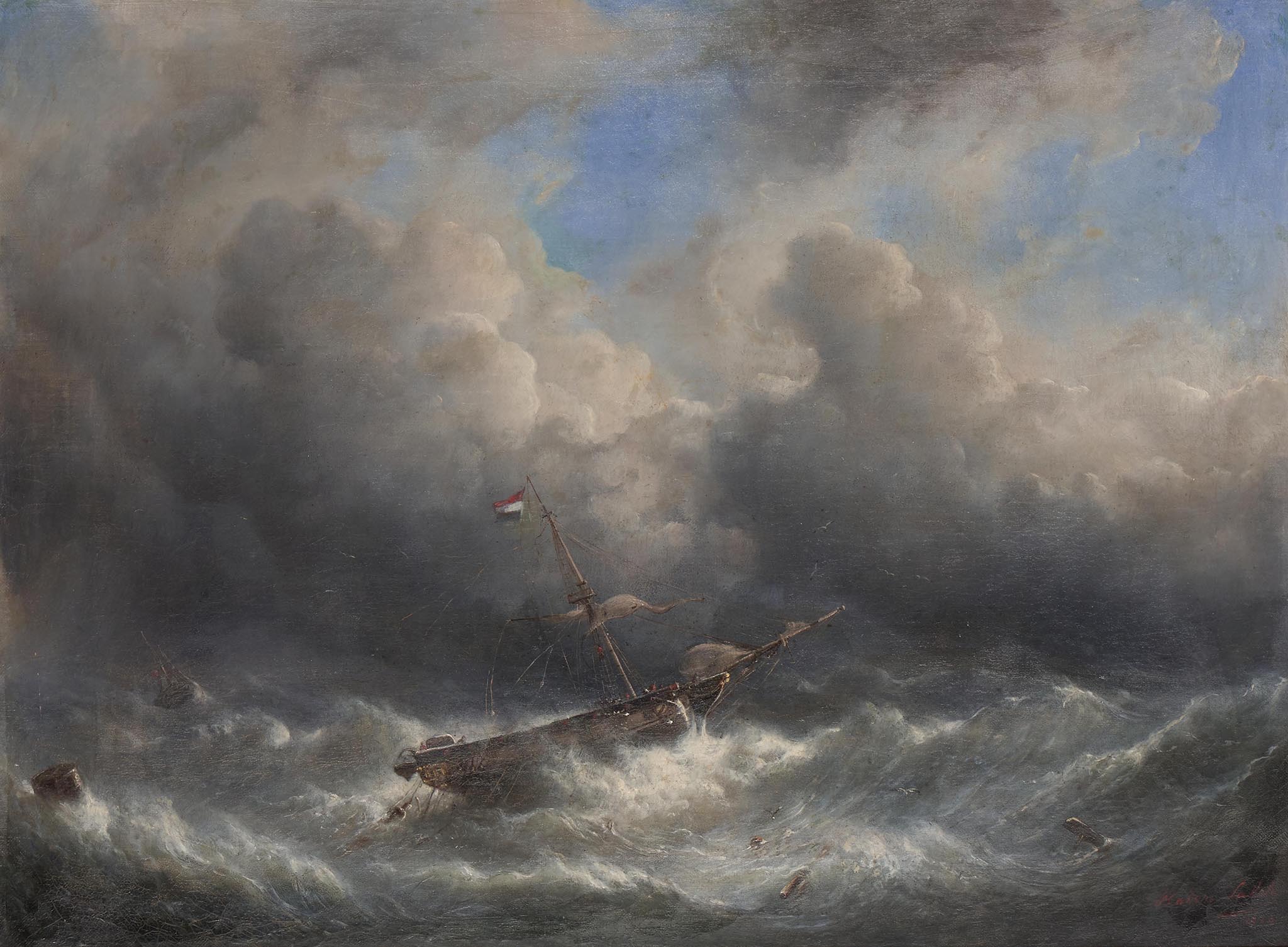
The Storm Nobody Saw Coming
January 1839 had been unusually mild. There was no warning of what was coming.
The wind arrived around 10pm and lasted until dawn. Gusts reached hurricane force across every province. Roof tiles flew. Haystacks dissolved. Chimneys collapsed onto sleeping families below.
An estimated tens of thousands of homes were damaged or destroyed in a single night. Trees that had stood for centuries were uprooted. Hundreds of people died across the island. Ships along every coast were swallowed by the sea.
It was the most violent storm in Irish recorded history — and the Irish never forgot it.
A Night Written Into Every Family’s Memory
The storm struck every county, but the west of Ireland took the worst of it. Villages along the Atlantic coast were left exposed — walls down, roofs gone, livestock scattered across flooded fields.
What set this storm apart was the timing. It came on a holy night, with no warning, and with a force so total that every living person in Ireland could tell you exactly where they were when it struck.
Those who survived described the sound as something beyond ordinary weather. A roar that seemed to rise from the sea and the sky at exactly the same moment.
For generations after, Irish families measured time against it. Not in years or decades, but in two halves: before the Big Wind, and after.
The Night Became a Question
Seventy years later, in 1909, the British government introduced the Old Age Pension to Ireland. For the first time, men and women over the age of 70 could claim a small weekly payment.
There was a problem. Most Irish people had no birth certificates. Official records for rural Ireland in the 1830s were incomplete at best, nonexistent at worst.
Pension officials faced a practical challenge: how do you prove someone is old enough to qualify?
☘️ Enjoying this? 64,000+ Ireland lovers get stories like this every week. Subscribe free →
The answer came from the storm.
If a claimant could remember the Night of the Big Wind — truly remember it — they were almost certainly alive in 1839. And if they were alive in January 1839 with a real memory of the night, they were old enough to have the pension.
“Do you remember the Night of the Big Wind?” became an informal but widely used question at pension offices across Ireland. Those who could describe what happened, where they were, what was destroyed — were accepted.
It remains the only time in Irish history that a weather event served as a legal document.
The Folklore That Grew Around It
The Irish are not a people who leave a story unexplained.
Some said the fairies were responsible. Epiphany — the night of the Big Wind — was long believed to be the night when the fairy folk moved between their raths and forts. The storm, some said, was caused by a great host on the move, sweeping across the land.
Others blamed the merrymaking of Little Christmas itself — payment for those who had celebrated too freely on a sacred night.
These explanations were not meant literally. They were ways of absorbing something that had no rational frame. A people who could survive such a night needed a story to carry them through.
Why It Still Feels Close
Stand on the Atlantic coast today — in the wild west of County Mayo or along the shores of Galway — and on a wild January night it is not hard to imagine what 1839 felt like. The wind off the water comes in layers. Old stone walls absorb it. Turf smoke bends sideways.
Ireland carries its history in the landscape. The same hills, the same coasts, the same sky that witnessed that night in January 1839.
If you ever find yourself speaking to an older Irish person about family history, you may still hear time measured against it. “That was before the Big Wind.” Or after. Time in rural Ireland has always moved differently.
For those tracing their Irish roots or planning a visit to the places the storm touched most, the Love Ireland travel planning hub is the best place to start.
Ireland’s oldest memories are not stored in archives. They are stored in questions. “Where are you from?” “Who are your people?” “Do you remember the Night of the Big Wind?”
Some nights are so powerful that a whole nation uses them to measure time. This was one of them.
☘️ You Might Also Love
☘️ Want More Hidden Ireland?
Join 64,000+ subscribers who discover Ireland’s best-kept secrets every week.
Subscribe Free — Join the Community →
Free forever · Unsubscribe anytime · No spam
📥 Free Download: Ireland Travel Planning Guide
Our most popular resource — itineraries, insider tips, and the 50 places you must not miss.
Tours & experiences you might love


Powered by Viator. Some links are affiliate links — we may earn a small commission at no extra cost to you.
Secure Your Dream Irish Experience Before It’s Gone!
Planning a trip to Ireland? Don’t let sold-out tours or packed attractions spoil your journey. Iconic experiences like visiting the Cliffs of Moher, exploring the Rock of Cashel, or enjoying a guided walk through Ireland’s ancient past often sell out quickly—especially during peak travel seasons.

Booking in advance guarantees your place and ensures you can fully immerse yourself in the rich culture and breathtaking scenery without stress or disappointment. You’ll also free up time to explore Ireland’s hidden gems and savour those authentic moments that make your trip truly special.
Make the most of your journey—start planning today and secure those must-do experiences before they’re gone!