

In old Ireland, if you wanted a drink, you did not always go to a pub. You went to a particular farmhouse. You knocked in a particular way. And if the woman of the house knew your face, the door would open.
This was the shebeen. And for centuries, it sat at the very heart of rural Irish life — illegal, overlooked, and entirely essential.
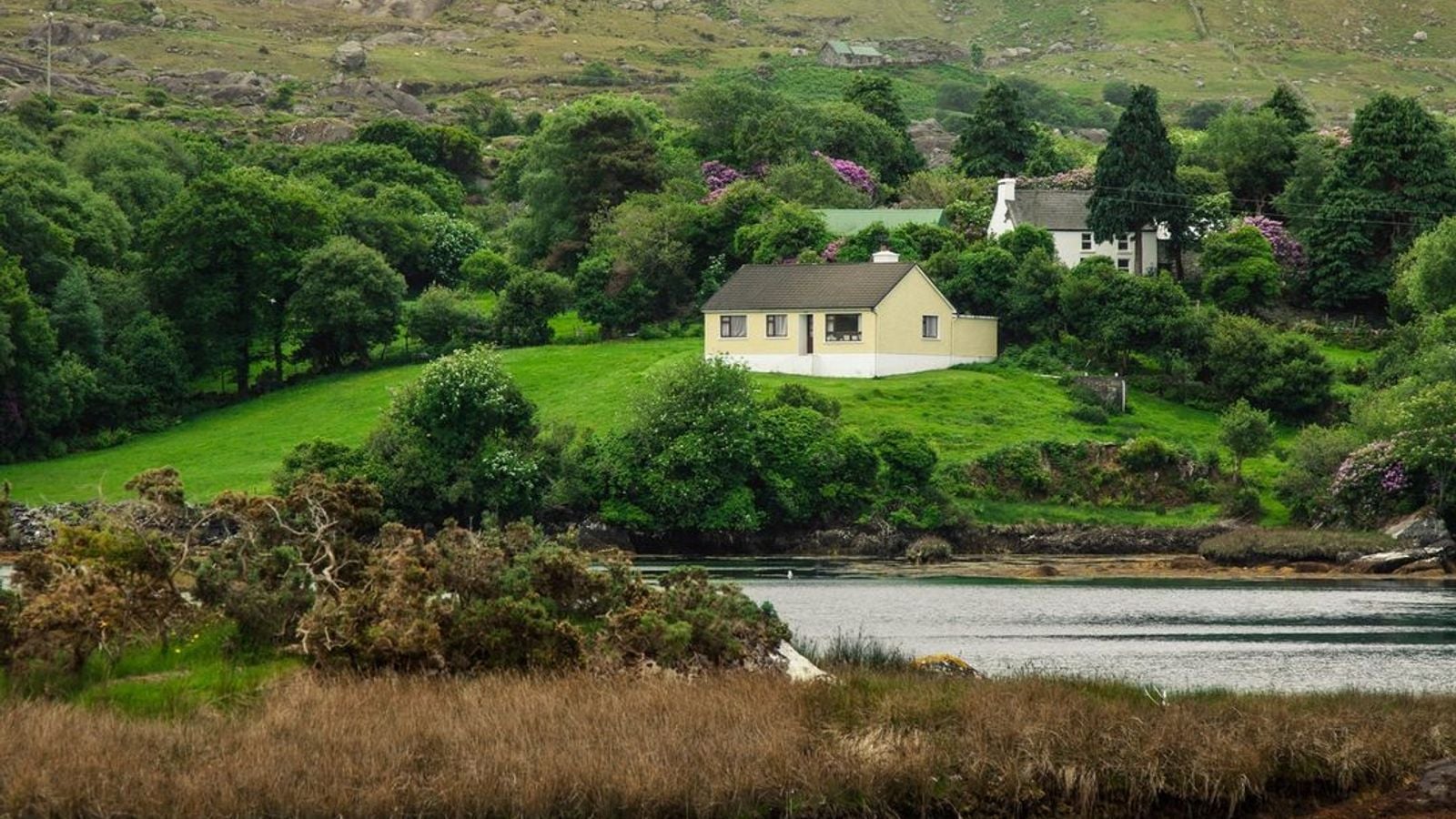
What Was a Shebeen?
The word comes from the Irish sibín — a small mug or a poor-quality, watery ale. Over time, it came to describe the place where that drink was served: an unlicensed drinking establishment operating from a private home.
Shebeens existed across Ireland from at least the 17th century. They flourished wherever licensed pubs were rare and the distances between settlements were long. That meant most of rural Connacht, Munster, and Ulster at one point or another.
They were illegal by definition. But in practise, they were tolerated, quietly protected, and in many communities, treated as absolutely necessary.
The Woman at the Heart of It
More often than not, a shebeen was run by a woman. Widows were the most common operators. A widow who needed income, a fire already lit, and a reputation for keeping her own counsel was all it took to open one.
The bean an tí — the woman of the house — became the defining figure of the shebeen. She was trusted with local secrets, kept the peace, and knew which customers to turn away. She was landlady, counsellor, and gatekeeper all in one.
The drink was often poitín — home-distilled, untaxed, and fiercely warming — alongside whatever small ale or porter could be obtained without drawing too much attention.
Why the Shebeen Mattered
☘️ Enjoying this? 64,000+ Ireland lovers get stories like this every week.
Thinking about it seriously? If you’ve started actually planning a move, our complete the full Move to Ireland guide walks through every step, every cost, and the paperwork that catches most people out.
In 18th and 19th century Ireland, a licensed pub was a costly legal undertaking. In remote parts of the west, there might be no licensed premises within walking distance for an entire townland — or several.
But people still needed somewhere to gather. The shebeen filled that gap. Local news was shared there. Disputes were settled. Music was played around the fire on long winter nights. Neighbours who might not see each other for weeks would meet under one roof and catch up on everything that had happened.
In Gaeltacht communities, the shebeen was often the one place where Irish was the only language spoken — not by rule, but by habit. That made it something more than a drinking den. It was a refuge for a way of life that official Ireland was slowly squeezing out.
The Authorities and the Open Secret
The law was unambiguous: operating without a licence was an offence, punishable by fines or worse. Revenue officials and the Royal Irish Constabulary made periodic attempts to clamp down on shebeens wherever they found them.
But enforcement was complicated by reality. Local magistrates were sometimes customers themselves. Communities protected one another without a second thought. And in the most remote townlands, the law simply had limited practical reach.
Raids happened. Fines were issued. Poitín stills were seized and destroyed. But new shebeens opened almost as quickly as old ones were closed. The demand never went away, and the community never stopped providing.
Where Shebeens Survived the Longest
In the islands and the far west of Ireland, shebeens persisted well into the 20th century. The Aran Islands, the Blasket Islands before their evacuation in 1953, and remote parts of Connemara all had active shebeens long after they had vanished from more accessible parts of the country.
They were not comfortable places in any romantic sense — cold, smoky, often cramped. But they were real. They were where community happened when no official space existed for it, and where a knock on a farmhouse door was all you needed to be let in from the dark.
As roads improved and licensing laws were applied more consistently, the shebeen gradually faded. But the culture it carried — the music, the conversation, the instinct to gather — simply moved somewhere else.
Today you can plan a visit to some of the places where shebeens once thrived. The Love Ireland planning guide is a good place to start if you want to explore the west properly.
The Spirit That Stayed
The last shebeens have been gone for generations now. But sit in a small village pub in Connemara on a quiet weeknight, listen to a session start up without announcement, and watch how quickly strangers find themselves in conversation.
That ease did not come from nowhere. It was passed down, generation by generation, from the woman who once opened her door, asked no questions, and poured whatever was needed. The pub is licensed now. But the spirit of the shebeen never really left.
☘️ Join 64,000+ Ireland Lovers
Every Friday, get Ireland’s hidden gems, local secrets, and travel inspiration — the kind you won’t find in any guidebook.
Subscribe free — enter your email:
Love more? Join 43,000 Scotland lovers → · Join 30,000 Italy lovers → · Join 7,000 France lovers →
Free forever · · Unsubscribe anytime
Tours & experiences you might love


Powered by Viator. Some links are affiliate links — we may earn a small commission at no extra cost to you.
Secure Your Dream Irish Experience Before It’s Gone!
Planning a trip to Ireland? Don’t let sold-out tours or packed attractions spoil your journey. Iconic experiences like visiting the Cliffs of Moher, exploring the Rock of Cashel, or enjoying a guided walk through Ireland’s ancient past often sell out quickly—especially during peak travel seasons.

Booking in advance guarantees your place and ensures you can fully immerse yourself in the rich culture and breathtaking scenery without stress or disappointment. You’ll also free up time to explore Ireland’s hidden gems and savour those authentic moments that make your trip truly special.
Make the most of your journey—start planning today and secure those must-do experiences before they’re gone!
Subscribe Free