

Walk through any remote Irish valley and you might not see it. But for three hundred years, it was there — hidden in bogs, behind waterfalls, tucked into mountain bothán ruins. Poitín. A spirit so powerful it was banned by the British crown in 1661. A drink so beloved that nobody actually stopped making it.
What Exactly Is Poitín?
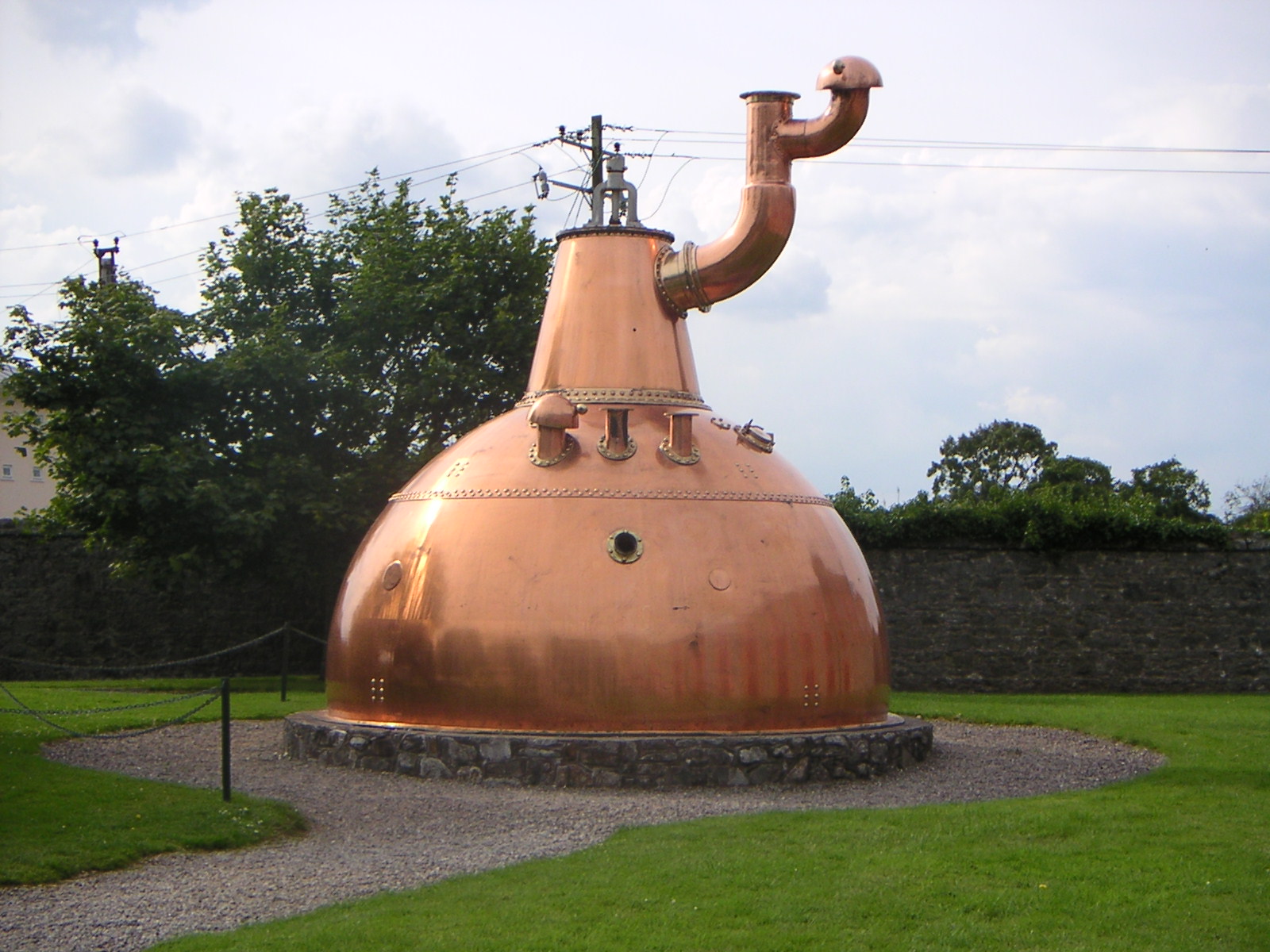
Poitín (pronounced “puh-CHEEN”) is Ireland’s traditional distilled spirit. Made from malted barley, potatoes, or grain, it predates modern Irish whiskey by centuries. The name comes from the Irish word pota — meaning pot — specifically the small copper pot still that had to be hidden from anyone in authority.
Unlike whiskey, poitín skips the ageing process. It comes off the still clear and fierce, often reaching 60% alcohol or higher. Some batches were strong enough to strip paint. Others, made with care and experience, were smooth and warming in a way that had nothing to do with fire.
It was a drink of the land. Of the people who worked it. And of the laws they quietly refused to follow.
The Ban That Nobody Obeyed
In 1661, the British administration in Dublin banned home distilling and imposed heavy taxes on spirits. The logic was profit. The result was defiance.
Rural Irish communities had been distilling for generations. Skills passed from father to son, from mother to daughter. The ban made it criminal overnight. Most people treated that as a minor inconvenience.
Poitín-making moved into the hills. Behind waterfalls. Down into the turf bogs. Anywhere the excise men — called “gaugers” — couldn’t easily reach. A townland might have three or four stills operating quietly at once. Everyone knew. Nobody said a word.
It was the same spirit that ran through the hidden shebeens that dotted rural Ireland — a quiet, determined refusal to let outside authority decide what happened behind closed doors.
The Community Code of Silence
The poitín economy ran on trust. One farmer might supply the barley. A neighbour would lend the copper coils. A third family would keep watch overnight. The spirit would be shared, bartered, or sold locally — and the proceeds helped families survive hard winters.
Lookouts were posted on hillsides. Coded warnings spread when gaugers were spotted nearby. A still could be disassembled and hidden in minutes. Some were buried in peat. Some were sunk into lakes.
To share poitín with someone was to trust them completely. The bond it built between neighbours was real, and it lasted long after the drinking was done.
☘️ Enjoying this? 64,000+ Ireland lovers get stories like this every week. Subscribe free →
The Price of Getting Caught
The penalties were serious — fines, imprisonment, even transportation. Stills were smashed on sight when discovered. Yet the gaugers rarely found them.
This was partly geography. Ireland’s western coastline — Connemara, Mayo, Donegal, Kerry — is built for hiding things. Mist settles fast. Valleys run deep. A still could sit three miles from a road and never be discovered.
It was also loyalty. Informing on a poitín maker was social ruin. The whole village would know by morning. In communities where reputation was everything, that was a far worse punishment than any fine.
Legal at Last — and Still Alive
In 1997, Ireland finally legalised poitín production under licence. Today, craft producers across the country make legal versions — Knockeen Hills, Micil, Mad March Hare — some aged in casks, some bottled clear at 90% and exported around the world.
Micil Distillery in Connemara is run by the fifth generation of the Ó Confhaola family, who distilled poitín illegally for generations. They use the same family recipe. The only thing that changed was the paperwork.
If you’re planning a trip to Ireland, seek it out. You’ll find it in craft spirit shops, in some pubs, and occasionally on a kitchen table in the west — if you know the right people.
Why Poitín Still Matters
Poitín isn’t just a drink. It’s a record of resistance. For three hundred years, ordinary Irish people refused to let a law take away something that was theirs.
It kept families warm in hard winters. It eased the pain of emigration. It sat at the heart of communities the same way the holy well or the crossroads once did — as something that belonged to everyone and to no government.
You can buy legal poitín in off-licences now. Some is exported to forty countries. But out in the hills of Connemara, some will still quietly tell you — that the best stuff never made it to a bottle label.
There’s something very Irish about that.
☘️ You Might Also Love
Frequently Asked Questions
What is the historical significance of Illicit Irish Spirit That Kept Rural Families Warm for Three Centuries?
This is one of Ireland’s fascinating historical and cultural stories — a reminder of the depth of Irish heritage that extends far beyond the better-known landmarks. These hidden histories are what make exploring Ireland so rewarding for curious visitors.
Where in Ireland can you learn more about this history?
Ireland’s network of local museums, heritage centres, and county archives hold remarkable collections of local history. The National Museum of Ireland (nationalmuseum.ie) and the National Library of Ireland also maintain extensive records of Irish cultural heritage.
Is this part of Irish culture still visible today?
Many aspects of Ireland’s ancient and folk culture are still visible if you know where to look. Local guides, heritage walks, and community festivals often reveal these hidden layers of Irish life that most tourists never see.
How does this story connect to modern Irish identity?
Irish people have a strong sense of connection to their heritage, and stories like this one are part of the cultural fabric that shapes modern Irish identity. The Irish language, traditional music, and folk customs all carry echoes of this long history.
☘️ Join 64,000+ Ireland Lovers
Every Friday, get Ireland’s hidden gems, local secrets, and travel inspiration — the kind you won’t find in any guidebook.
Subscribe free — enter your email:
Free forever · · Unsubscribe anytime
Tours & experiences you might love


Powered by Viator. Some links are affiliate links — we may earn a small commission at no extra cost to you.
Secure Your Dream Irish Experience Before It’s Gone!
Planning a trip to Ireland? Don’t let sold-out tours or packed attractions spoil your journey. Iconic experiences like visiting the Cliffs of Moher, exploring the Rock of Cashel, or enjoying a guided walk through Ireland’s ancient past often sell out quickly—especially during peak travel seasons.

Booking in advance guarantees your place and ensures you can fully immerse yourself in the rich culture and breathtaking scenery without stress or disappointment. You’ll also free up time to explore Ireland’s hidden gems and savour those authentic moments that make your trip truly special.
Make the most of your journey—start planning today and secure those must-do experiences before they’re gone!
Subscribe Free