

In most of the world, death is a quiet, sombre affair. But in Ireland, for centuries, the dead were never left alone — and the living made sure of it. The traditional Irish wake wasn’t a funeral. It was something far older, and far stranger, than that.
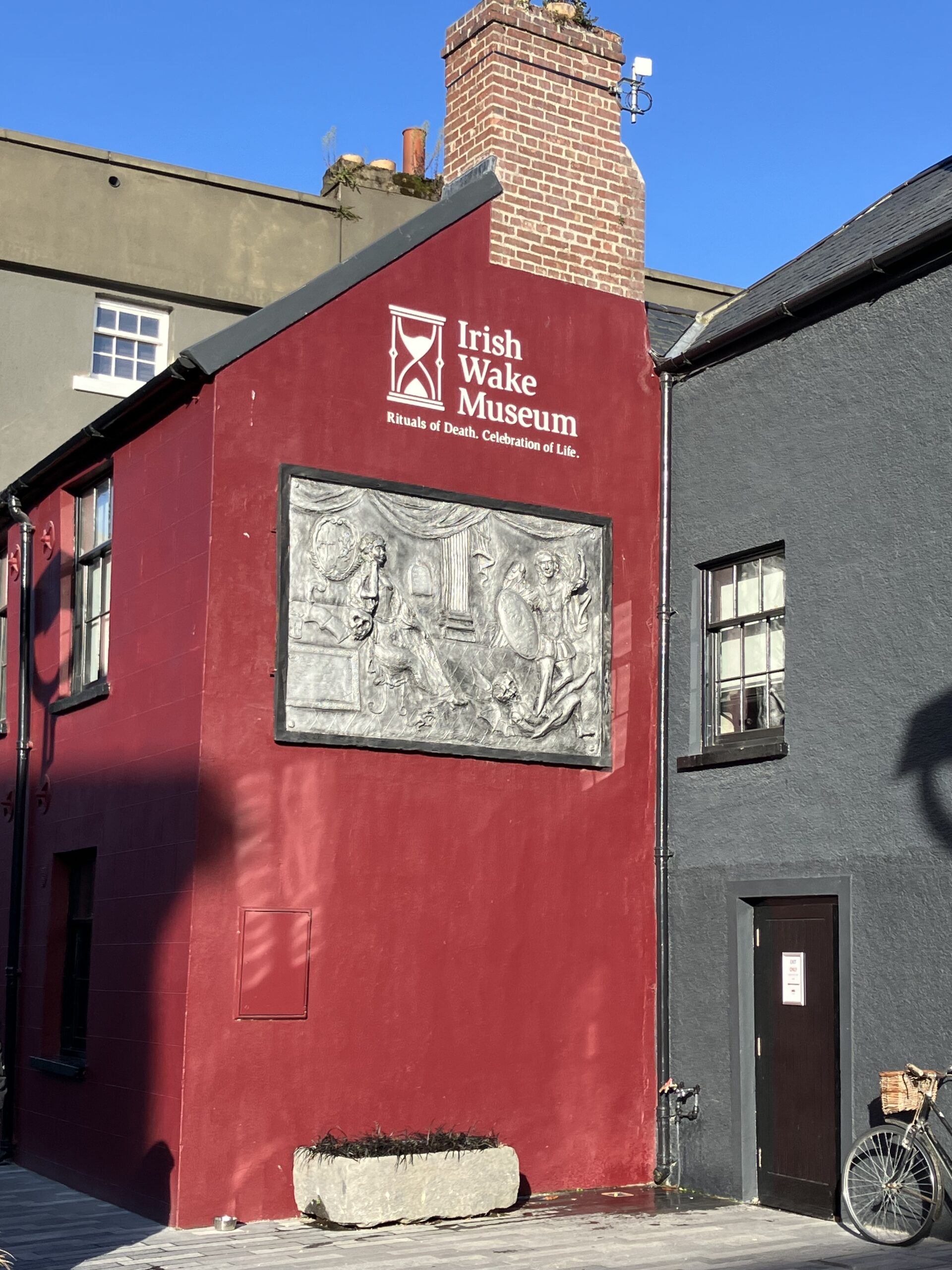
The Body Comes Home
When someone died in rural Ireland, the body didn’t go to a funeral parlour. It came home.
The deceased was washed, dressed in their best clothes, and laid out in the parlour — or the kitchen, if the house had no parlour. Candles were placed at the head and feet. Neighbours arrived within hours, without being asked, without being invited.
They came to pray. But they also came to sit, to tell stories, to drink tea, and to stay through the night. The wake had begun, and it might last two full days before the burial.
Why the Irish Kept Watch
The word “wake” comes from the Old English wacian — to be awake, to keep watch. The tradition of sitting with the body through the night had roots deep in Celtic custom.
There was a practical side to it. Before modern medicine, keeping watch through the night served as confirmation that the person was truly dead. But the spiritual reasoning ran deeper.
Irish belief held that the soul lingered near the body for three days after death. The presence of the living — the noise, the candlelight, the laughter — kept evil spirits away and protected the soul on its journey. Silence, in this context, was not respectful. It was dangerous.
The Games Nobody Expected
This is the part that surprised outsiders most. At traditional Irish wakes, games were played. Proper, rowdy games.
“Wake games” were common across rural Ireland well into the 20th century. Some involved riddles, storytelling, or singing. Others — particularly in earlier centuries — stretched to mock weddings, wrestling matches, or forfeits that left participants red-faced.
The Church tried to suppress the games more than once, viewing them as irreverent. The people largely continued regardless. A wake could last two nights. Keeping mourners — young and old alike — present through the small hours required more than prayer alone.
For more on Ireland’s older living customs, discover what happens when strangers knock on doors across Ireland every February.
Keening — Ireland’s Voice of Grief
If the games were surprising, the keening was unforgettable.
Keening (from the Irish caoineadh) was ritual wailing performed by women at wakes and gravesides. It wasn’t raw, uncontrolled grief. It was structured, musical, and often led by a professional keener — a woman hired specifically for her skill.
A skilled keener would improvise verses about the deceased: their life, their character, the gap they left behind. The sound has been described as something between singing and weeping, and those who witnessed it rarely forgot it.
The tradition faded through the late 19th century, suppressed by the Church for its pagan overtones. Today it survives in fragments — in the ornamental wail of the uilleann pipes, and in the oldest styles of sean-nós singing.
☘️ Enjoying this? 64,000+ Ireland lovers get stories like this every weekday morning. Subscribe free →
Clay Pipes and the Unending Round
At every traditional wake, clay pipes and tobacco were set out for the mourners. This wasn’t optional — it was an obligation.
The pipes were laid on a table alongside tobacco and sometimes snuff. Guests helped themselves freely throughout the night. Running short was considered a serious lapse of hospitality, a mark against the family.
Whiskey and porter were poured, but the constant was always tea. An Irish household might get through a hundred cups across a single night. Food came too — bread, sandwiches, whatever the family could provide. Whatever their means, generosity was non-negotiable.
Mirrors, Clocks, and Telling the Bees
Alongside the socialising ran a quieter layer of protective ritual, observed in almost every household.
Mirrors were covered or turned face-in to the wall. The belief was that the soul of the deceased, still present in the house, might become trapped in a reflection. Some also believed that the living shouldn’t see their own face alongside the dead.
Clocks were stopped at the moment of death. Time, it was felt, ought to pause in mourning.
Bees — if the family kept any — were told of the death. The custom, known as “telling the bees,” was widespread across rural Ireland and parts of Britain. The beekeeper would approach the hive, knock gently, and whisper the news. If the bees weren’t informed, folklore held they might abandon their hive or die.
What the Wake Was Really For
The traditional Irish wake wasn’t about avoiding grief. It was about holding it in common.
Every candle lit, every pipe smoked, every story told about the person who had died was a way of weaving them back into the living world one final time — of saying: this person mattered, and we are not yet ready to let go.
That spirit — of community, of presence, of facing hard things together — is something Ireland carries forward even as the old customs fade. You might also explore the folk healing traditions that ran alongside these customs — another side of Ireland that tourists rarely find in guidebooks. And if you’re planning a visit yourself, start with the planning hub to find the experiences that stay with you long after you’ve come home.
☘️ You Might Also Love
Tours & experiences you might love


Powered by Viator. Some links are affiliate links — we may earn a small commission at no extra cost to you.
Secure Your Dream Irish Experience Before It’s Gone!
Planning a trip to Ireland? Don’t let sold-out tours or packed attractions spoil your journey. Iconic experiences like visiting the Cliffs of Moher, exploring the Rock of Cashel, or enjoying a guided walk through Ireland’s ancient past often sell out quickly—especially during peak travel seasons.

Booking in advance guarantees your place and ensures you can fully immerse yourself in the rich culture and breathtaking scenery without stress or disappointment. You’ll also free up time to explore Ireland’s hidden gems and savour those authentic moments that make your trip truly special.
Make the most of your journey—start planning today and secure those must-do experiences before they’re gone!