

There is a question that has a way of stopping a conversation in its tracks. Someone brings it up — sometimes as a joke, sometimes seriously — and the room goes quiet. People smile. They look slightly wistful. The question is this: if money was no object, would you retire in Ireland? For a remarkable number of people around the world, the answer comes immediately, and it is yes. Not a hesitant, theoretical yes. A warm, certain, already-imagined-a-hundred-times yes. This article is for those people. Here is what that dream actually looks like.
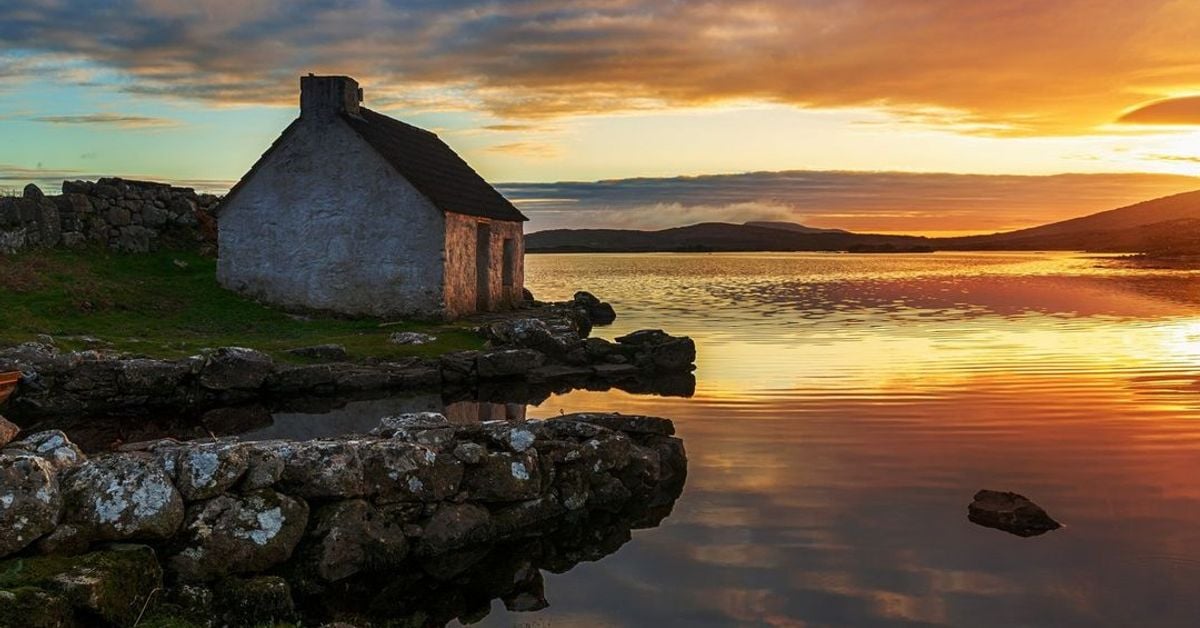
The Landscape That Changes Everything
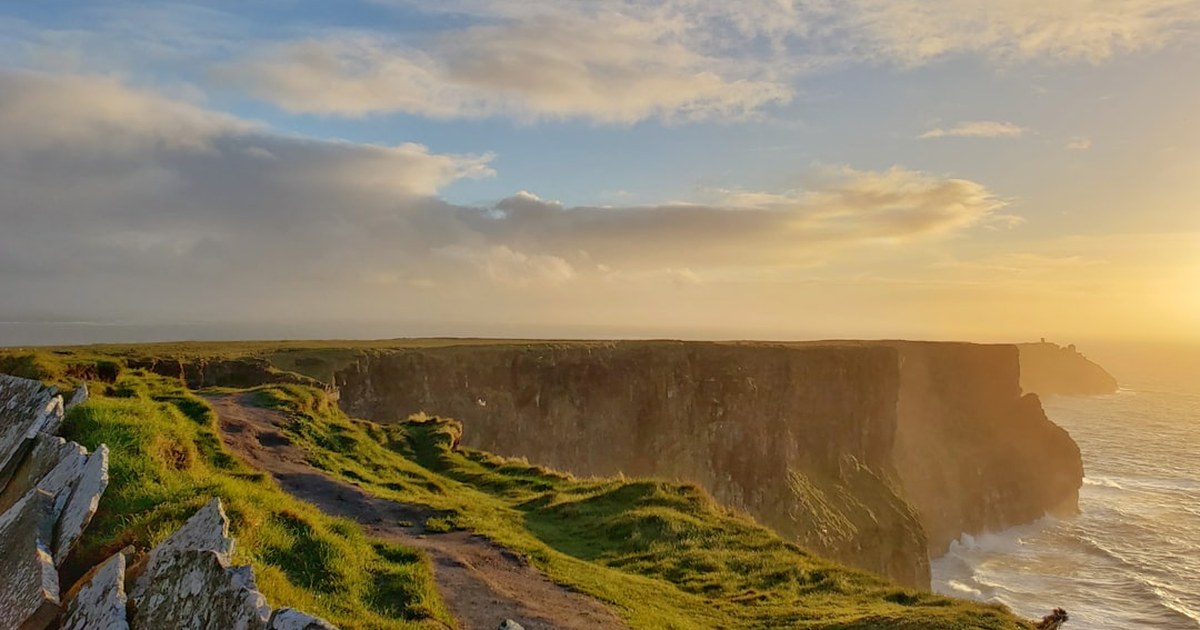
People who have spent time in Ireland often describe the experience of driving along the Wild Atlantic Way for the first time. The road curves around a headland and suddenly there it is: an ocean view so vast and so fierce it physically takes your breath. It is the kind of landscape that makes you ask why you ever lived anywhere else.
Watch: Do You Qualify for an Irish Passport?
If one of your grandparents was born in Ireland, you may be able to become an Irish citizen. This 14-minute guide explains who qualifies, what it costs and how long it takes. Thinking of making the move? Get the free Moving to Ireland checklist.
Connemara, with its bog roads and mountain reflections and impossibly green fields running down to grey Atlantic inlets. The Dingle Peninsula, where the road narrows and the sea appears on both sides and the light turns everything golden. Donegal’s wild northern coast, where the cliffs drop sheer to white water and the silence between waves is total. County Clare, where the Burren’s limestone terraces meet the sea at the Cliffs of Moher and the Atlantic stretches to the horizon.
Ready to turn the dream into a plan?
Our Premium guide How to Retire in Ireland covers the Stamp 0 visa, real monthly costs, healthcare, banking, and the exact steps to make the move — all in one place.
This is not the kind of landscape you visit and then remember fondly. It is the kind that rearranges you. And waking up in it every morning — that is what the retirement dream is really about.
What Your Days Would Actually Look Like When Retiring in Ireland
The Irish retirement dream is not a passive one. It involves movement. It involves getting out into the country, into the villages, into the particular rhythms of life that Ireland does better than almost anywhere else on earth.
Morning begins with a walk. Not a power walk, not a workout, but the kind of slow, unhurried walk that lets you notice things. The light on a drystone wall. A heron standing statue-still in a river bend. The way the mist sits in a valley just after dawn before burning off into a clear blue morning. Then coffee — real coffee — at a café in the nearest village, where someone you know will sit down without asking and talk about something interesting.
The afternoons unfold at their own pace. A drive to a ruined abbey you have not visited yet. A long lunch at a seafood restaurant where the crab was caught that morning and the bread came out of the oven an hour ago. An afternoon reading by a turf fire while rain taps steadily on the window. This is the texture of Irish retirement living, and it is not available in many places on earth.
The Village That Feels Like Yours
One of the things people rarely plan for is how quickly an Irish village claims you. The post office knows your name within a week. The butcher remembers how you like your sausages. You start getting invited to things — a fundraiser, a céilí, a community walk along the old bog road. Belonging in Ireland is not something you have to earn over decades. It happens, gently, whether you are ready for it or not.
West Cork’s harbour villages — Schull, Baltimore, Castletownshend — have been doing this to people for generations. Westport in County Mayo has the extraordinary quality of feeling simultaneously vibrant and completely unhurried. Kenmare in Kerry manages to be world-class at restaurants and absolutely peaceful at six in the morning. Kilkenny gives you a mediaeval city with the feel of a small town. Each place has its own character, but they share the one thing that matters: genuine community.
The Food and the Ritual of the Pub
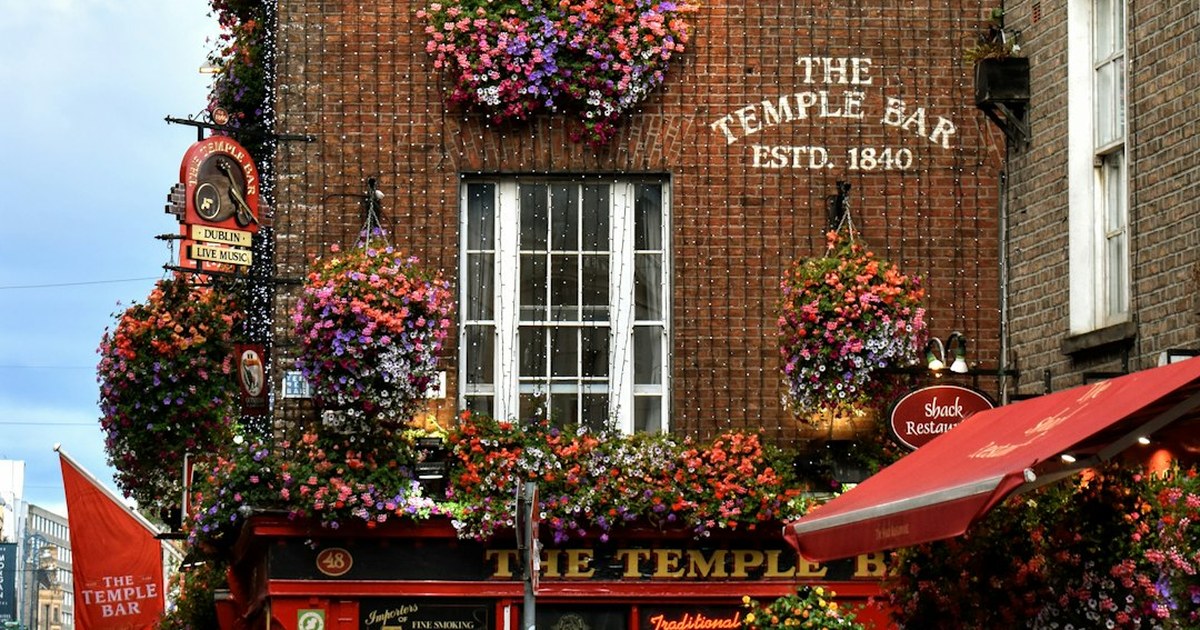
Irish food has undergone a quiet revolution, and if you are picturing a retirement spent eating uninspiring meals, you have not been to Ireland recently. The west coast seafood alone is worth the move. Fresh Atlantic oysters in Galway, lobster from Clare Island, crab claws in West Cork, wild smoked salmon from the Burren Smokehouse. Seasonal vegetables from the farm next door. Grass-fed beef that tastes entirely different from anything you have had before.
Money-no-object Ireland adds another dimension: Michelin-starred tasting menus in places you would expect to find a petrol station. A handful of Irish restaurants now rank among the finest in Europe, and several sit in locations of such startling beauty — a converted farmhouse overlooking a bay, a Victorian hotel on a Kerry lakeshore — that the setting is as memorable as the food.
And then there is the pub. Not simply as a place for drinking, but as a social institution unlike anything else in the world. An Irish pub on a quiet weekday evening, when a session starts informally in the corner and spreads, when the fiddle gives way to a bodhrán and someone joins in with a flute — this is one of the great communal experiences available to a human being in the twenty-first century. It is free to attend. You are always welcome. Nobody performs. They just play.
Retiring in Ireland Means Living Inside History
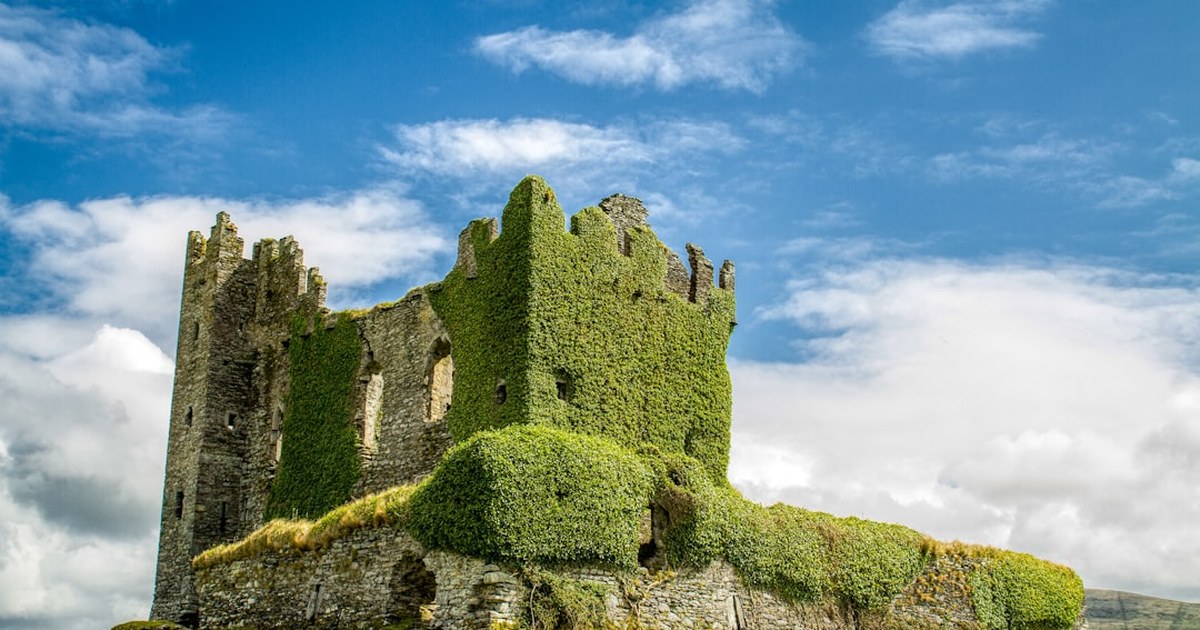
Ireland is one of the most historically layered countries in the world. Not in the way of museums and guided tours — though those exist, and they are excellent — but in the way of ordinary daily life. You will drive past a ringfort on the way to the supermarket. Your garden might contain the remnants of a pre-Christian enclosure. The field behind your house will have a name that tells you something about who lived there five hundred years ago.
Passage tombs that predate the Egyptian pyramids by five hundred years sit in open countryside, accessible by a short walk across a field. Mediaeval abbeys stand roofless and beautiful on riverbanks. Early Christian monastic settlements occupy islands in the Atlantic, reached only by small boat in favourable weather. The history of Ireland is not fenced off behind glass. It is present, physical, woven into the landscape.
For anyone with Irish heritage — and the diaspora stretches to every continent — this layer of connection becomes something else entirely. To stand in a churchyard in the county your great-grandparents left, to find the same surnames on the stones, to understand something about where you came from: that is not a tourist experience. That is something deeper, and it happens in Ireland every single day.
The Property That Fits the Dream
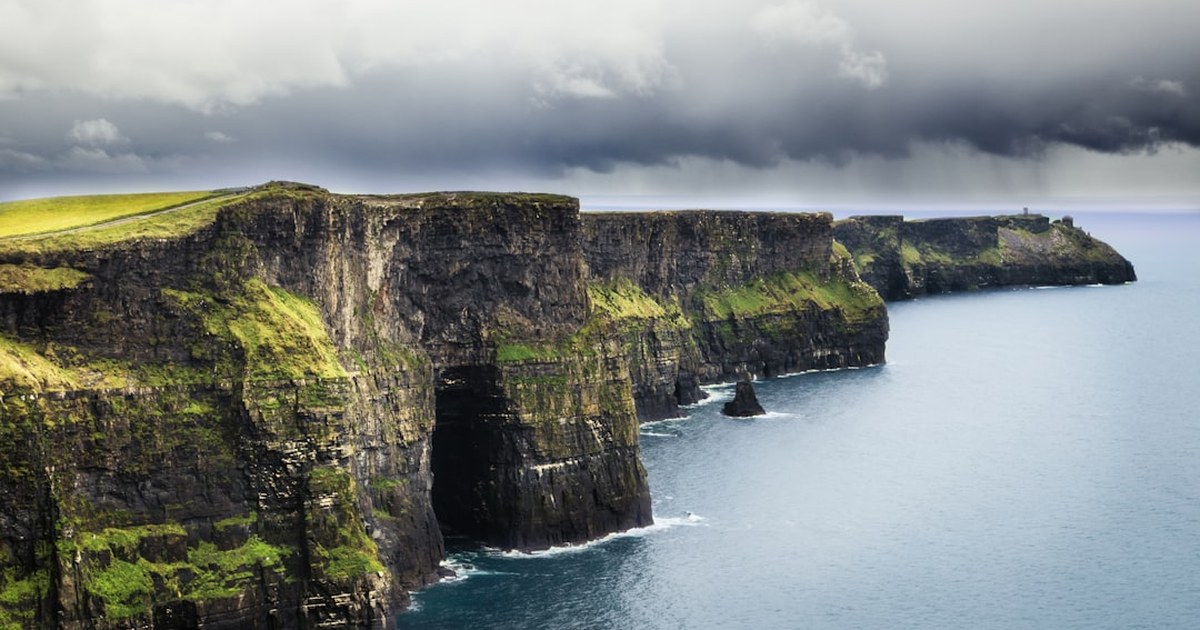
Removed from all financial constraints, the Irish property market offers extraordinary possibilities. A period farmhouse in the Wicklow Hills, stone-built and south-facing, with a walled garden and mountain views. A converted coastguard station on a Donegal headland, with windows looking directly out over the Atlantic. A Georgian townhouse on the main street of a County Tipperary market town, with a wine cellar and original fireplaces. A Connemara cottage extended sympathetically, with a studio space and a small jetty for a rowing boat.
The Irish countryside is full of these places, many of them carrying histories going back centuries. At the upper end of the market, historic castle conversions, private river estates, and Victorian sporting lodges offer a style of living that exists almost nowhere else on earth. Ballynahinch Castle in Connemara, for instance, sits in a private estate landscape of mountain, lake, and river that seems designed specifically to stop time.
But the dream does not require a castle. A two-bedroom stone cottage overlooking a Clare headland, simply furnished, with a turf-burning stove and a view of the Aran Islands: for many people who have thought seriously about retiring in Ireland, that is the exact image in their heads. And that is entirely achievable, money-no-object or otherwise.
About the Weather (Yes, We Have to)
Any honest article about retiring in Ireland must address the weather. The Irish certainly do not spare it. It will rain. Sometimes horizontally. Sometimes when the forecast said sunny, and sometimes sunny when the forecast said rain, because weather forecasting in a country shaped by the Atlantic is a discipline closer to folklore than science. Locals describe it as “four seasons in a day” with the resigned fondness of someone discussing a difficult but beloved family member.
Here is the thing about Irish weather that nobody who has not lived there quite understands. The rain is why it is green — that extraordinary, almost unreal green that hits you when you fly in and look out of the window. The mist is why the mountains look like a painting. The clouds are why the sunsets are extraordinary. The weather is not a flaw in Ireland’s design. It is the reason Ireland looks the way it does. Most people who have retired there will tell you they made their peace with it quickly, and many will tell you they have come to love it.
The Warmth That No Brochure Can Explain
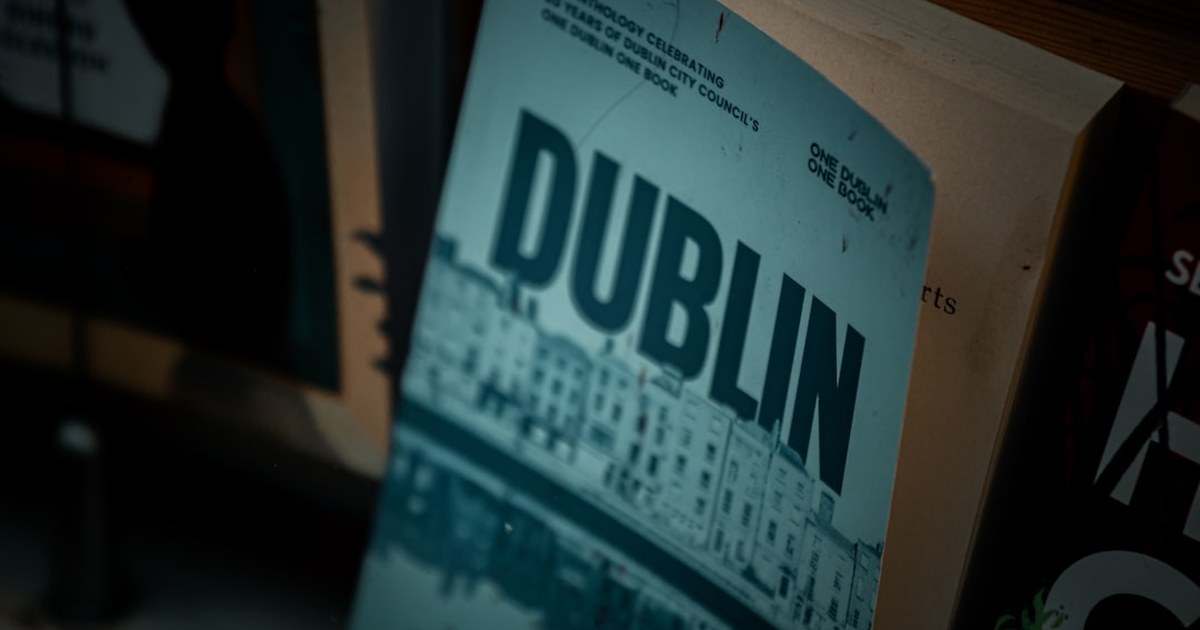
The final element in the Irish retirement dream — and the one that is hardest to convey to someone who has not experienced it — is the people. Irish warmth is not a tourist-industry construction. It is not performed. It is a genuine cultural characteristic, and it reveals itself most fully when you are not a tourist at all, when you are a resident, a neighbour, a regular at the Saturday morning market.
The Irish are interested in people. They ask questions, they remember answers, they follow up the next time they see you. There is a quality of attentiveness in Irish social interaction — a real curiosity about other people’s lives — that is both unusual and, over time, profoundly affecting. People who have moved to Ireland from elsewhere often say, years later, that it changed them: that they became more patient, more present, more interested in people they would previously have passed without a word.
That, perhaps more than anything, is what the retirement dream is pointing at. Not just the landscape or the food or the history, but a different relationship with time, with community, with what a day is supposed to be for. Ireland, at its best, shows you that.
Start Planning Your Irish Dream
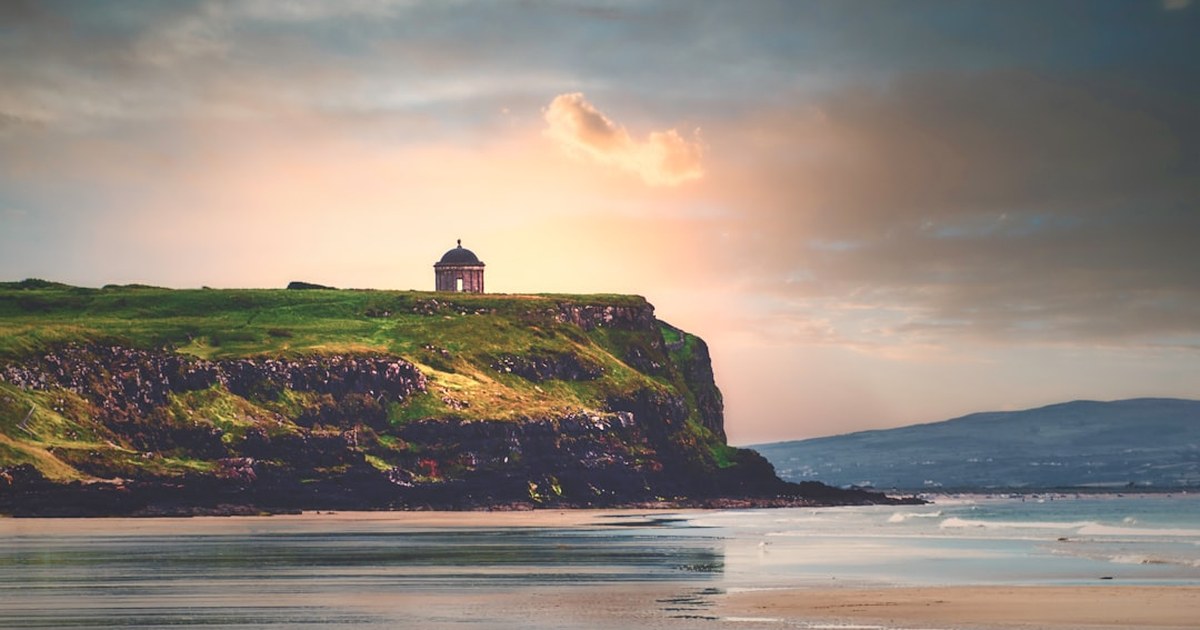
Whether the dream is immediate and practical or still living in the realm of wishful thinking, Ireland rewards serious attention. The Love Ireland Planning Hub is the ideal starting point — a comprehensive guide to everything from first-visit logistics to longer-stay planning, covering transport, regions, and seasonal travel in detail.
If you are thinking about which part of Ireland might suit you best, our guide to the best Irish towns for retirees covers the country’s most welcoming communities in real depth — from harbour villages to inland market towns. The differences between them are real, and worth understanding before you fall in love with the wrong county.
The question — would you retire in Ireland if money was no object? — has a way of revealing what you actually want from life. If the honest answer is yes, then the next step is to find out what is genuinely possible. More often than not, it is more than you think.
📲 Know someone who’d love this? Share on WhatsApp →
Free forever · Unsubscribe anytime
Tours & experiences you might love


Powered by Viator. Some links are affiliate links — we may earn a small commission at no extra cost to you.
Secure Your Dream Irish Experience Before It’s Gone!
Planning a trip to Ireland? Don’t let sold-out tours or packed attractions spoil your journey. Iconic experiences like visiting the Cliffs of Moher, exploring the Rock of Cashel, or enjoying a guided walk through Ireland’s ancient past often sell out quickly—especially during peak travel seasons.

Booking in advance guarantees your place and ensures you can fully immerse yourself in the rich culture and breathtaking scenery without stress or disappointment. You’ll also free up time to explore Ireland’s hidden gems and savour those authentic moments that make your trip truly special.
Make the most of your journey—start planning today and secure those must-do experiences before they’re gone!