

Drive through any county in Ireland and, sooner or later, a stone tower will appear in a farmer’s field. No sign. No fence. No visitor centre. That tower was someone’s home — and Ireland still has more than 3,000 of them standing.
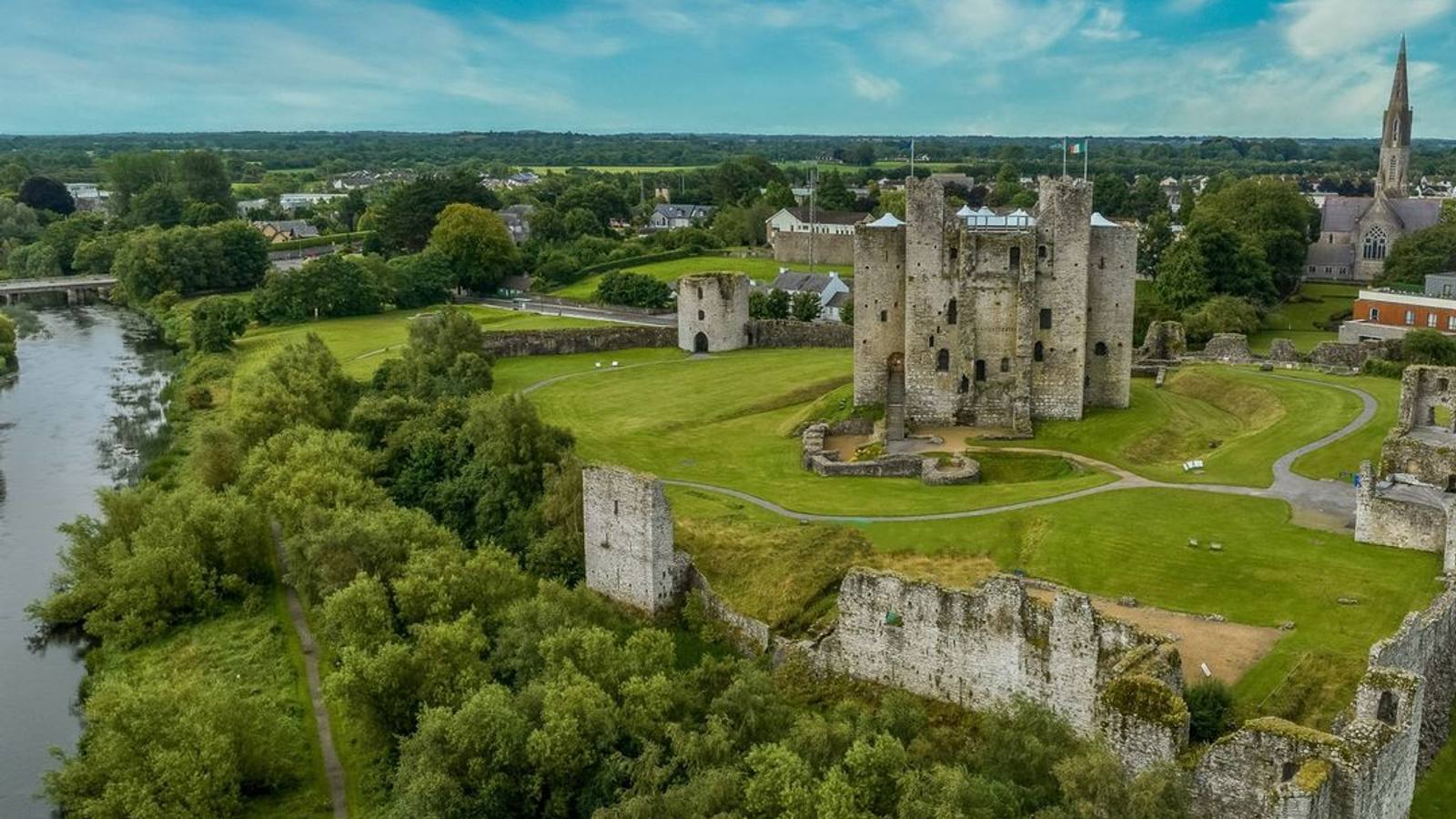
Most tourists walk straight past. Most locals take them for granted. But Irish tower houses are one of the most remarkable things about this island, and almost nobody talks about them.
What Exactly Is a Tower House?
A tower house is not what most people picture when they think of an Irish castle. It is not a grand Norman fortress with sweeping battlements. It is a compact, vertical stone structure — usually four to six storeys high, with walls thick enough to withstand an axe blow.
Between roughly 1400 and 1650, Gaelic Irish chieftains and Anglo-Norman settlers alike built tower houses across the island. Clare, Galway, Tipperary, and Limerick have the highest concentrations, but almost every Irish county has them.
They were privately owned, privately funded, and built for one family’s protection. That is what makes them unusual in European terms — not a royal fortress or a bishop’s palace, but a family home with four-foot-thick walls.
Why Every Noble Family Needed One
Medieval Ireland was not at constant war, but it was never entirely peaceful either. Cattle raids, local disputes, and shifting alliances were a constant fact of life. A tower house solved several problems at once.
It protected the family from attack. It stored grain and valuables well above flood and theft risk. It told every neighbour and rival that this land was owned, defended, and not to be taken lightly. A tower house was wealth you could see from a mile away.
There was even a financial incentive. The English crown, trying to stabilise Ireland, offered grants to anyone who built a tower house to a specified standard. For a time, you could be paid to build your own private castle.
What Daily Life Looked Like Inside
The ground floor held livestock and storage — never people. The animals brought inside at night added warmth to the floors above, along with a smell nobody ever fully described in writing.
The kitchen occupied the first floor, built around a wide stone hearth. Meals were heavy: salted meat, oat porridge, coarse bread baked over the fire. Smoke rose through the floors rather than out of a chimney, blackening everything it touched.
Family quarters were above. The staircase wound clockwise — a deliberate design choice. A right-handed defender coming down had full swing room. An attacker climbing up had almost none.
☘️ Enjoying this? 64,000+ Ireland lovers get stories like this every week. Subscribe free →
The Death Trap Above the Front Door
Every tower house had a murder hole. Not a dramatic name invented by historians — a real hole cut into the ceiling directly above the entrance passage.
If an attacker broke through the outer door, they stepped into a narrow stone passage barely wide enough for one person. From above, defenders dropped rocks, poured boiling water, or rained hot ash through the opening. The attacker had nowhere to go. Some of Ireland’s most storied castles hide far darker histories than most visitors ever learn.
Many tower houses still have their murder holes intact. You can stand under one today.
Famous Tower Houses You Can Still Visit
Thoor Ballylee in County Galway is perhaps the most famous. The poet W.B. Yeats bought it for £35 in 1917 and used it as his summer home, writing four collections of poetry within its walls. The spiral staircase, the cramped upper rooms, the view down to the millstream — it is all still there.
Aughnanure Castle, also in Galway, is one of the best preserved in the country. It still has its murder hole, its great hall, and the remains of the walled enclosure that once surrounded it.
Across Clare, Limerick, and Tipperary, dozens of tower houses stand in open fields with no entrance fee and no visitor centre — just stone and silence. Some are marked on ordnance survey maps. Others you simply notice as you pass a narrow road.
If you are planning your trip to Ireland, a county like Clare or Galway will put you within reach of more tower houses than you could visit in a week.
The Ones Nobody Visits
For every named tower house, there are twenty that nobody visits. They stand half-collapsed in sheep pastures. Farmers plough around them — partly from habit, partly because removing them might bring bad luck, and partly because the planning rules make it complicated.
Some have trees growing through their roofless tops. Some have been absorbed into farm outbuildings over the centuries. Once you know what to look for, you start seeing them everywhere.
Ireland’s landscape is full of things that were never meant to become tourist attractions. Tower houses are among them — built by families who simply wanted to survive, and who ended up leaving something that outlasted everything else they ever did.
☘️ You Might Also Love
Free PDF by email. You’ll also get a few short emails from us; unsubscribe any time.
Secure Your Dream Irish Experience Before It’s Gone!
Planning a trip to Ireland? Don’t let sold-out tours or packed attractions spoil your journey. Iconic experiences like visiting the Cliffs of Moher, exploring the Rock of Cashel, or enjoying a guided walk through Ireland’s ancient past often sell out quickly—especially during peak travel seasons.

Booking in advance guarantees your place and ensures you can fully immerse yourself in the rich culture and breathtaking scenery without stress or disappointment. You’ll also free up time to explore Ireland’s hidden gems and savour those authentic moments that make your trip truly special.
Make the most of your journey—start planning today and secure those must-do experiences before they’re gone!
Bill
Monday 30th of March 2026
Is there a difference between tower houses and round towers?