

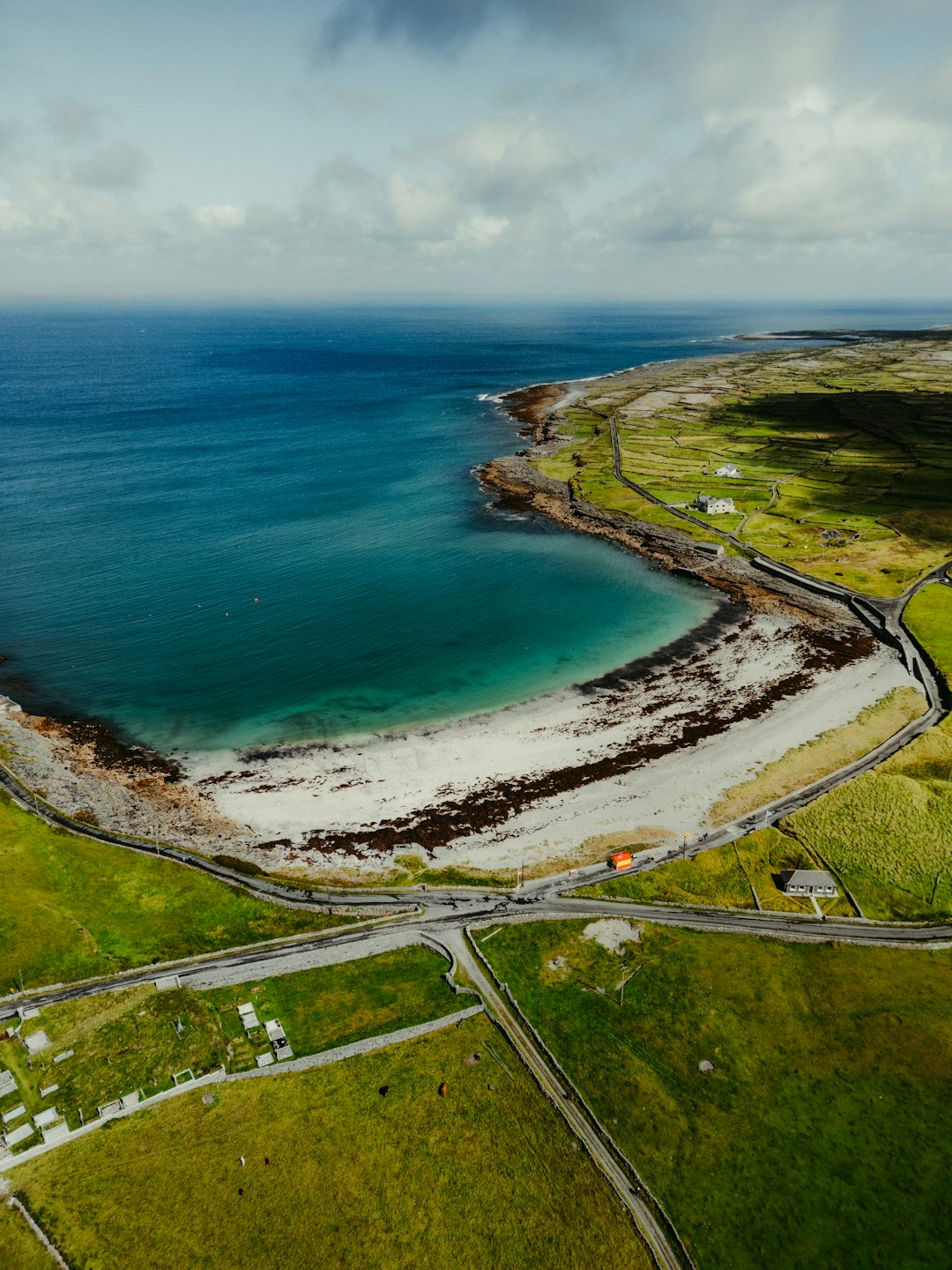
Something was wrong before the boats left the harbour. A fisherman on the Aran Islands would turn for home if he met a red-haired woman on the road that morning. His boat would not sail that day. This was not mere superstition. This was the law of the sea — and the sea always collected what it was owed.
The Words That Could Not Be Said
Certain words were forbidden the moment a fisherman left his front door. On the Aran Islands, the Blasket Islands, and all along the Wild Atlantic coast, saying the word “rabbit” before boarding your boat was one of the worst things you could do.
It seems strange now. But the rabbit was an underground creature — an animal that lived in the direction of the dead. To name it aloud was to invite that world into your day.
Other banned words included “pig”, “rat”, “hare”, and “fox”. If a man needed to refer to a pig, he called it “the beast” or “the grunty one”. Salmon — the most prized catch of all — was never called by its true name at sea. It was “the red fellow” or simply “himself”.
These were not arbitrary rules. Each word carried an association: with death, with creatures that crossed between worlds. The sea was already unpredictable enough.
The Colour That Cursed a Boat
Green was the colour of the fairies. Everyone along the coast knew that. And the daoine sídhe — the fairy folk — were not to be invited onto a working fishing vessel.
Painting a boat green was simply not done. Not out of fashion, but out of genuine fear that you were claiming their colour, and they would come to take back what was theirs. Most traditional Irish fishing boats were painted blue, red, or black — anything but green.
Along the Gaeltacht communities of the Wild Atlantic Way, older fishermen would not even wear a green jumper to the pier. If the sea was already the fairies’ territory, why give them any reason to take notice of you?
☘️ Enjoying this? 64,000+ Ireland lovers get stories like this every week. Subscribe free →
The Turn Against the Sun
Every boat departed deiseal — clockwise, moving with the sun. Always. To turn a boat widdershins, against the sun’s path, was to invite catastrophe.
This practice reached back long before Christianity arrived in Ireland. The sun’s movement across the sky was sacred — to mirror it was to align yourself with life. To oppose it was to align yourself with what lies beneath.
Fishermen leaving harbour would always row or sail in a clockwise arc, even if a direct route meant turning the other way. The currachs that carried generations of Atlantic fishermen were always turned correctly before a voyage. Some believed a widdershins turn would draw the boat back under. Others simply said: you don’t do that. And they left it there.
Seabirds and the Men Who Never Came Home
Killing a seabird at sea was a serious matter. Gannets, cormorants, and albatrosses were believed to carry the souls of fishermen who had drowned.
Cormorants were treated with particular respect along the Irish coast. A man who killed one — even by accident — did not speak of it. He might offer a quiet prayer. He might throw something over the side as an apology to the sea.
The belief was that men lost to the water did not simply vanish. Their souls settled into birds. They continued to fly the coasts and watch over their families from above.
When a boat returned short of a crew member, families would watch for a particular bird arriving at the door, or hovering near the house at dusk. This was not always mourning. Sometimes, they said, it was a goodbye.
Why These Rules Were Never Written Down
None of this appeared in any book. These customs passed from father to son, from mother to daughter before a husband set out — spoken quietly, in the particular hush that surrounds people who depend on a dangerous sea.
They endured because the sea is genuinely dangerous. Not as a metaphor. As a daily fact. A family that lost a father did not always know why. The boat had been sound. The weather had seemed manageable. Something had gone wrong, and no one could explain it.
In the absence of answers, the rules became sacred. If you followed them and came home safe, they had worked. If something went wrong without them — well.
If you’re planning to explore Ireland’s coastal villages this year, sit in a harbour-side pub and ask an older fisherman whether he’d say “rabbit” before heading out to sea. The pause before he answers tells you everything.
There is a reason the Irish sea has always felt like it remembers. The men who worked it knew it was not theirs. They were guests — careful, watchful guests. The superstitions were their side of the bargain. And for the most part, the sea held its end.
☘️ You Might Also Love
Tours & experiences you might love


Powered by Viator. Some links are affiliate links — we may earn a small commission at no extra cost to you.
Secure Your Dream Irish Experience Before It’s Gone!
Planning a trip to Ireland? Don’t let sold-out tours or packed attractions spoil your journey. Iconic experiences like visiting the Cliffs of Moher, exploring the Rock of Cashel, or enjoying a guided walk through Ireland’s ancient past often sell out quickly—especially during peak travel seasons.

Booking in advance guarantees your place and ensures you can fully immerse yourself in the rich culture and breathtaking scenery without stress or disappointment. You’ll also free up time to explore Ireland’s hidden gems and savour those authentic moments that make your trip truly special.
Make the most of your journey—start planning today and secure those must-do experiences before they’re gone!