

There is a moment in every Irish pub that defines everything that follows. Someone goes to the bar. They return not with one pint — but with a round for the whole table. A debt has been created. An obligation is born. And the entire evening will quietly orbit around that invisible ledger until the last drink is finished.
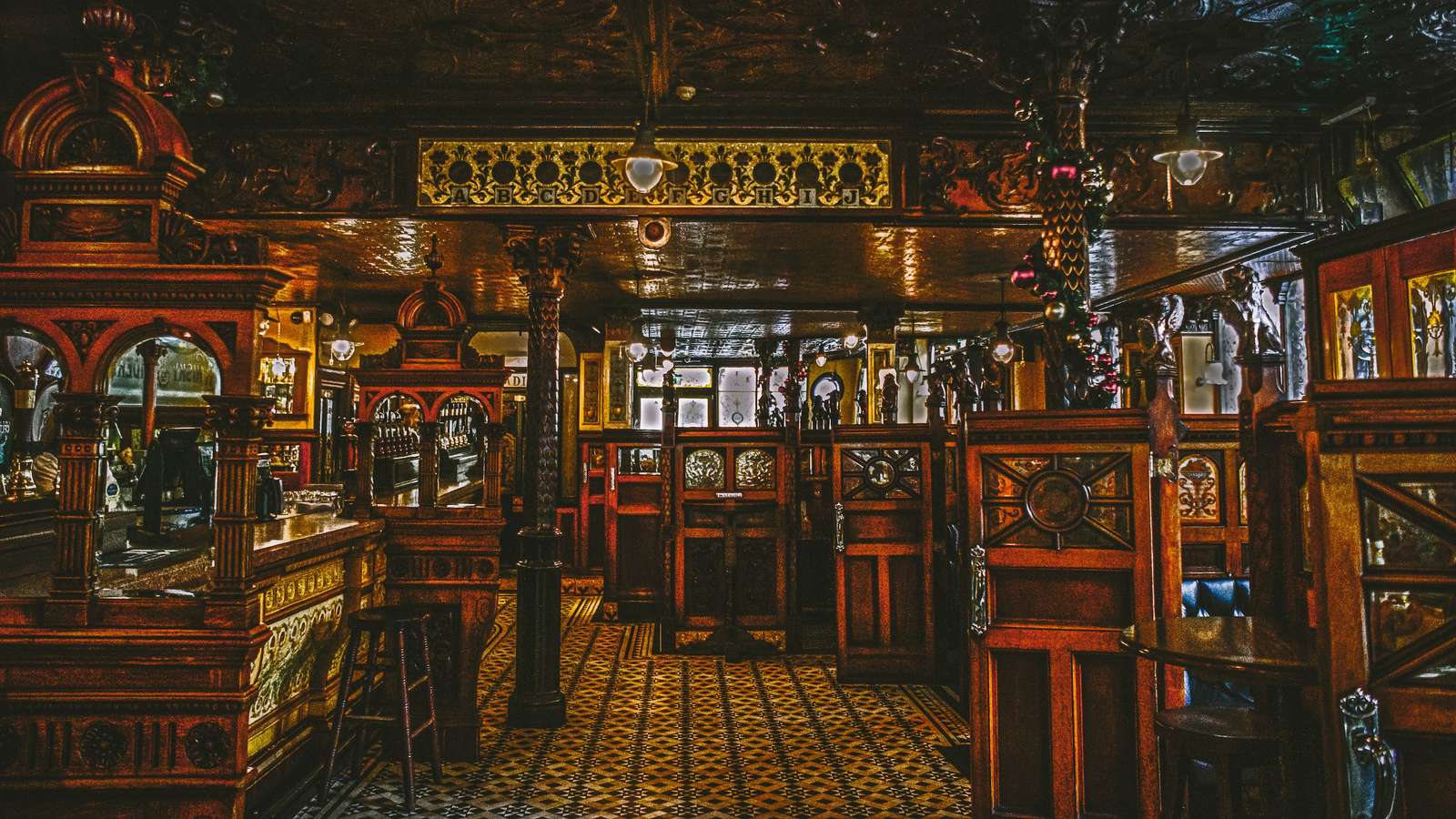
One Round Leads to Another
In an Irish pub, you never drink alone in a group. From the first person to order, a rotation begins. Each member takes a turn buying drinks for everyone at the table. The round system is not explained, advertised, or negotiated. It simply begins — and it is understood.
Six people at a table means roughly six rounds across the evening. No one keeps a written tally. The accounting happens in the mind, and almost everyone manages it precisely.
The rule is unwritten, but it is real. Miss your round — even once — and people will notice.
A Custom That Goes Deeper Than Drink
The round did not begin in pubs. It began in fields.
Irish rural life was built on a concept called meitheal — communal work sharing, where neighbours helped each other at harvest and planting when no single family had enough hands. You gave your labour today; they gave theirs tomorrow. No money changed hands, but the debt was real and repaid.
That same logic transferred to the pub. In a society where resources were scarce and community bonds were everything, buying a round was a gesture of solidarity. You stood your ground. You showed you were not the sort of person who took without giving.
☘️ Enjoying this? 64,000+ Ireland lovers get stories like this every week. Subscribe free →
The Unspoken Rules
Once you are in a round, you are committed to the evening. Leaving early is technically acceptable — but you must buy your round before you go. Arriving late and joining an established group is a delicate matter; most regulars will either wave you in or quietly absorb your drinks until you are settled.
There is also the question of pace. If you drink faster than everyone else, your round comes sooner and others feel rushed. The considerate drinker drinks with the group — not ahead of it.
Refusing a round is rarely done openly. Someone driving or not drinking will say so early and clearly. A non-drinker can still order a soft drink and remain in the round — it keeps the rhythm. If you are planning a trip and want to know what to expect before your first session, the Love Ireland planning guide has everything you need to feel at home from day one.
The Social Weight of Skipping Your Round
The person who accepts drinks across an evening but vanishes when their turn comes is not merely being frugal. They are breaking a social contract with deep roots. The reputation sticks — sometimes for years.
It is worth noting how rarely this actually happens. The social pressure is sufficient. In a small community, the damage is too great. Most people would genuinely rather spend money they cannot afford than be known as someone who never buys a round.
That instinct is not weakness. It is community.
What Visitors Often Get Wrong
Many tourists, unfamiliar with the system, try to pay for their individual drink at the bar. The offer is usually declined — sometimes with a smile, sometimes with mild confusion. You are already in the round. The money will come back to you in kind.
The best thing a visitor can do is simply follow the flow. When your turn comes — and someone will tell you, or the group will fall into a natural pause — go to the bar and order for everyone. Ask if you are unsure what people are drinking. Nobody minds being asked.
There is an entire other side of Irish pub culture that most visitors never see, too — including what happens after the landlord locks the door long after last orders. And the Irish have another long tradition of closing pubs at the strangest times imaginable.
The round system has survived emigration, economic upheaval, and the arrival of craft beer menus longer than some novels. It persists because it works — not just as a way of managing who pays for what, but as a quiet expression of how Irish people prefer to spend time together.
Not apart. Not splitting every cost down the middle. Together — taking turns, holding up their end, staying until the last round is done.
☘️ You Might Also Love
☘️ Join 64,000+ Ireland Lovers
Every Friday, get Ireland’s hidden gems, local secrets, and travel inspiration — the kind you won’t find in any guidebook.
Free forever · · Unsubscribe anytime
Tours & experiences you might love


Powered by Viator. Some links are affiliate links — we may earn a small commission at no extra cost to you.
Secure Your Dream Irish Experience Before It’s Gone!
Planning a trip to Ireland? Don’t let sold-out tours or packed attractions spoil your journey. Iconic experiences like visiting the Cliffs of Moher, exploring the Rock of Cashel, or enjoying a guided walk through Ireland’s ancient past often sell out quickly—especially during peak travel seasons.

Booking in advance guarantees your place and ensures you can fully immerse yourself in the rich culture and breathtaking scenery without stress or disappointment. You’ll also free up time to explore Ireland’s hidden gems and savour those authentic moments that make your trip truly special.
Make the most of your journey—start planning today and secure those must-do experiences before they’re gone!