

The pot was on before anyone opened their eyes. In every cottage from Donegal to Kerry, long before the teapot arrived and long before anyone had heard of the full Irish fry, the morning began the same way — someone got up, stirred the embers, and put on the stirabout.
For more than a thousand years, this simple oat porridge was the first thing an Irish child tasted each morning. Its name came from the constant stirring required to keep it from catching on the iron pot. Nothing else fed so many Irish people for so long.
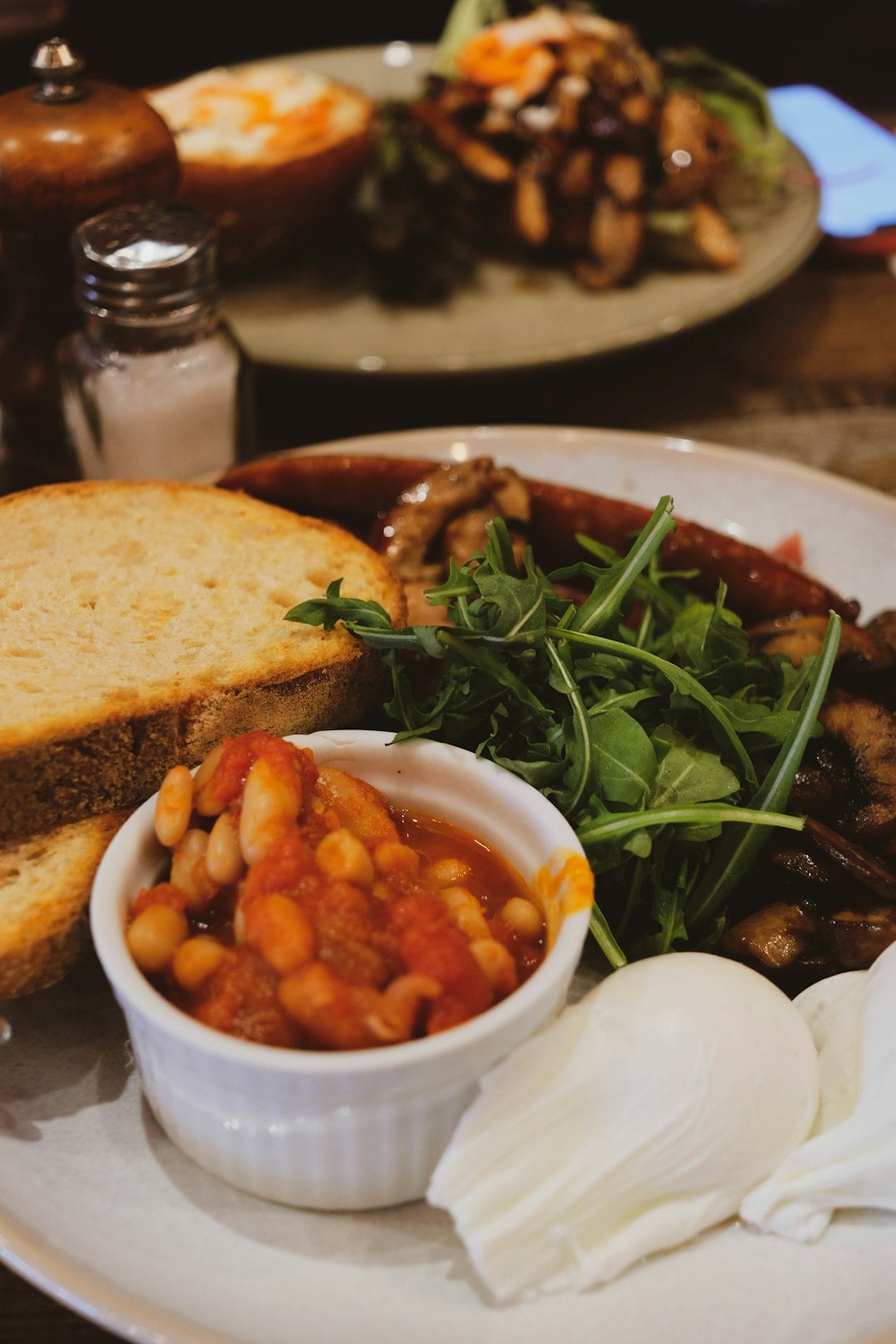
What Was Stirabout?
Stirabout was not the smooth, creamy porridge you might find in a modern café. It was coarser, thicker, and more filling — made from roughly ground oats slowly stirred into boiling water or buttermilk over an open hearth.
The iron cooking pot hung from a crane above the fire. The stirring never stopped. Let it rest and it caught and burned. Keep the rhythm and it thickened into something that could carry a working person through a long day in the fields.
It looked humble. It tasted plain. But in a household where food was never taken for granted, stirabout did its job without fail, morning after morning, for generations.
From Peasant to King — Everyone Ate Stirabout
What sets stirabout apart from other Irish dishes is that it crossed every social boundary. It was not simply food for the poor.
Ireland’s ancient Brehon Laws — the legal code that governed Irish society for over a thousand years — actually specified how much stirabout foster parents were obliged to provide. The quantity, and even the accompaniments, reflected the child’s social class. A child of noble birth was owed stirabout made with fresh butter or honey. A child of humbler rank received theirs with buttermilk and salt alone.
Annals from Irish monasteries record stirabout being served to monks and scribes. Gaelic chieftains ate it alongside roasted meats. In the poorest cottages, it might be the only thing on the table. The quality of the ingredients changed with your station; the dish itself did not.
☘️ Enjoying this? 64,000+ Ireland lovers get stories like this every week. Subscribe free →
The Way the Bowl Was Set
Eating stirabout had its own quiet ritual that most families followed without thinking about it.
A vessel of cold buttermilk was placed beside each bowl. The technique was to dip each spoonful of hot stirabout into the cold buttermilk before eating — the contrast was deliberate, and the flavour far better for it. In some families, the stirabout was ladled directly into a bowl of buttermilk and eaten like a thick soup.
Salt was standard. Butter was not. A small nub of butter melting slowly into the top of the bowl was a mark of relative comfort. On the leanest mornings, the pot was shared directly — everyone eating from the one vessel, passing it around the hearth without ceremony.
Wooden spoons were most common. In Gaeltacht regions of the west, some households in the early nineteenth century had no spoons at all and ate by tilting the communal pot.
Stirabout Through the Seasons
The dish changed with the Irish calendar in ways that kept it from ever feeling entirely monotonous.
On Halloween, in parts of Connacht and Munster, a ring or a small coin was stirred into the pot before serving. Whoever found it in their bowl learned their fortune for the year ahead — a tradition very similar to the hidden charm in a barm brack. For some families, the stirabout pot was where Halloween’s fortune-telling truly began.
During Lent, the embellishments were stripped away entirely. No butter, no honey, barely any salt. Lenten stirabout was austere by design — a small act of daily self-denial, repeated for forty mornings, that kept fasting woven into everyday life.
In some counties, the very last pot made at the turn of the new year was poured against the outside wall of the house — an offering of gratitude, or perhaps a small superstitious gesture against the hunger that might lie ahead.
Why Stirabout Disappeared
Stirabout faded through the early twentieth century as Ireland changed. White bread arrived cheaply and quickly. Tea became the undisputed morning anchor. The grinding necessity that had made stirabout essential shifted as emigration and economic life moved on.
Families who emigrated to America stopped making it quickly — it marked them as poor in a country where they were working hard to appear otherwise. The dish that had been invisible through its ubiquity became something to leave behind.
By the 1950s, a generation of Irish children was growing up without ever tasting it. The word itself slipped from everyday speech. Most Irish people under forty today have never heard the word stirabout at all.
But oat porridge has returned. Across cafés in Dublin, Galway, and Cork, it’s back on morning menus — dressed with honey, toasted seeds, or whatever the season offers. The dish that carried generations through Irish winters is eaten again, this time entirely by choice.
If you’re curious about the wider story of what Irish people actually ate before the full fry became the standard, the history goes deeper and stranger than most visitors expect. And if you’re planning to experience Irish food culture firsthand, our Ireland travel planning guide is the place to start.
There are dishes that feed you and dishes that carry you. Stirabout was always both. Inside every bowl was the whole world of rural Irish life — its patience, its simplicity, and its quiet certainty that morning would come again.
☘️ You Might Also Love
☘️ Join 64,000+ Ireland Lovers
Every Friday, get Ireland’s hidden gems, local secrets, and travel inspiration — the kind you won’t find in any guidebook.
Free forever · · Unsubscribe anytime
Tours & experiences you might love


Powered by Viator. Some links are affiliate links — we may earn a small commission at no extra cost to you.
Secure Your Dream Irish Experience Before It’s Gone!
Planning a trip to Ireland? Don’t let sold-out tours or packed attractions spoil your journey. Iconic experiences like visiting the Cliffs of Moher, exploring the Rock of Cashel, or enjoying a guided walk through Ireland’s ancient past often sell out quickly—especially during peak travel seasons.

Booking in advance guarantees your place and ensures you can fully immerse yourself in the rich culture and breathtaking scenery without stress or disappointment. You’ll also free up time to explore Ireland’s hidden gems and savour those authentic moments that make your trip truly special.
Make the most of your journey—start planning today and secure those must-do experiences before they’re gone!