

At half two every afternoon across Dublin, publicans did something remarkable. They called time on perfectly good pints, ushered bewildered customers into the daylight, and bolted the doors from the inside. Not for a funeral. Not for a holy day. Just because the law said so.
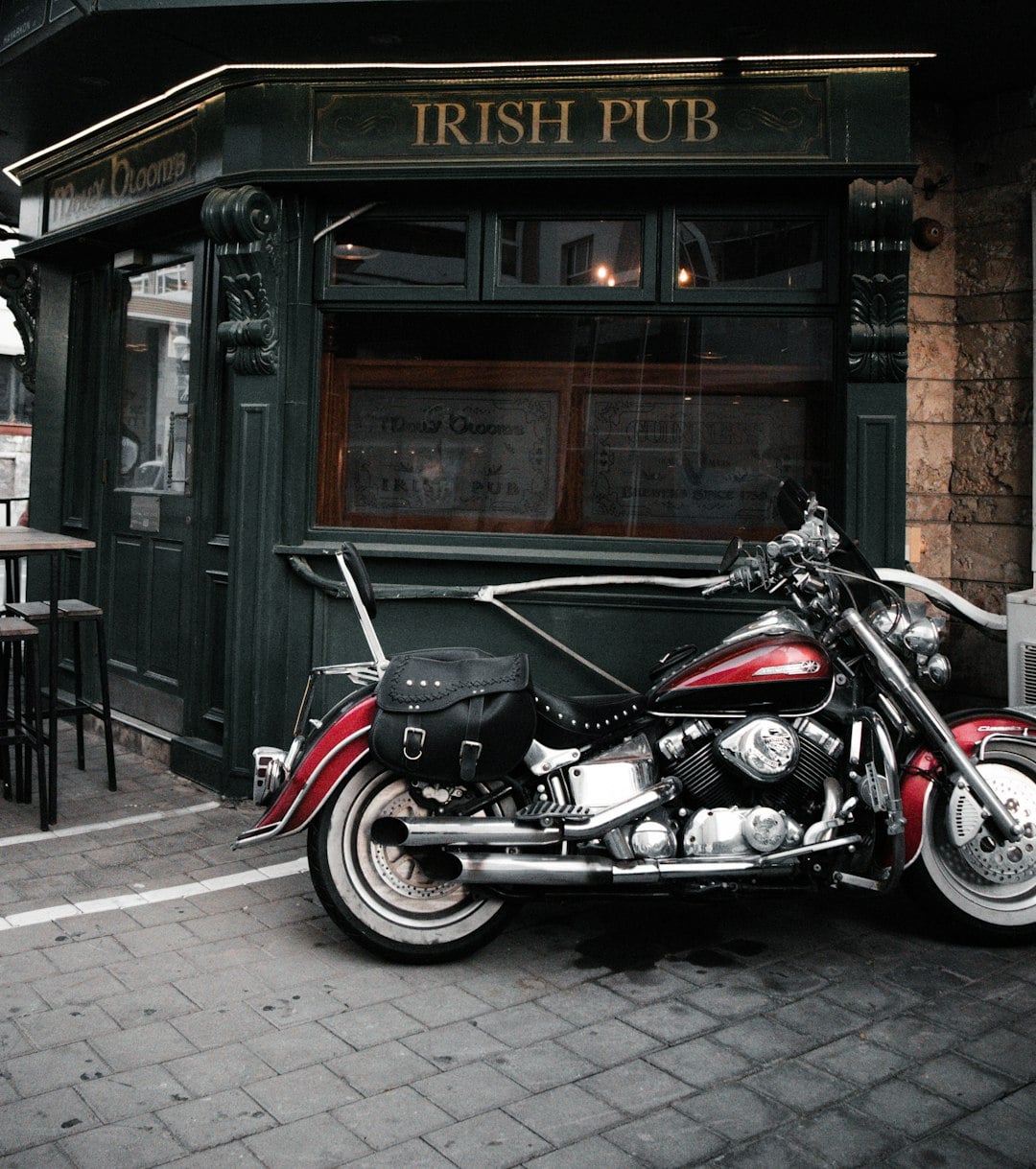
This was the Holy Hour. And for six decades, it was as Irish as the rain.
The Law That Nobody Could Quite Believe Was Real
The Intoxicating Liquor Act of 1927 was Ireland’s answer to the temperance movement. While other countries were either embracing full Prohibition or quietly ignoring morality laws, the newly independent Irish state took a more characteristically Irish approach: they didn’t ban the pubs. They just made them close for an hour and a half every afternoon.
In Dublin, pubs were required to shut between 2:30pm and 3:30pm, every single day. In other parts of the country the closure window was wider — sometimes stretching from 2pm to 5pm. The timing was deliberate. It targeted the lunchtime drinker, the worker who might linger, the man who might not make it back to the factory floor on time.
The great irony was that the Holy Hour didn’t stop people drinking. It just briefly relocated them.
Why They Called It the Holy Hour
The name was entirely unofficial — and entirely Irish. Nobody in government ever called it the Holy Hour. But the public, with the dry wit that defines the culture, gave it the name because the only socially acceptable reason to be on the streets during pub closure hours was if you were on your way to mass.
There’s something perfectly Irish about naming a drinking restriction after prayer. The church wasn’t formally involved, but its shadow stretched long across the new state, and the timing of the afternoon closure was no accident.
Other names floated around too — the “closed hours,” the “break” — but Holy Hour is the one that stuck. It was too good not to.
What Actually Happened When the Doors Shut
The scenes during Holy Hour were quietly comic. Regulars would nurse their final pint to the last possible second, drain it, and spill out onto the pavement with nowhere particular to be. On grey November afternoons, clusters of men would stand outside bolted pub doors, collars up against the rain, waiting for the hands to tick round.
Some publicans developed workarounds. A knock on the side door. A face known to the house. A quiet back room for established regulars who knew the arrangement. The snug rooms that had long served as private spaces in Irish pubs took on a new usefulness during Holy Hour — a discreet refuge from both the rain and the law.
Whether the Act was strictly observed depended entirely on the publican, the neighbourhood, and the Garda sergeant who happened to be passing. Enforcement in Dublin was real. Out in the countryside, the Holy Hour was observed rather more loosely.
Dublin Got the Worst of It
Dublin bore the brunt of the Holy Hour like a city doing quiet penance. Hundreds of pubs fell silent every afternoon for ninety minutes, leaving bewildered American tourists standing at locked doors wondering if they’d misread a sign.
It created a strange, enforced rhythm to city life. Lunch stretched to fill the gap. Cafés did brisk business between half two and four. The unspoken social code that governed every Irish pub extended even to its hours of operation — and Dubliners adapted, because that’s what Dubliners do.
Meanwhile, in rural Ireland, the afternoon closure was taken with a pinch of salt. A farmer who’d driven twenty miles to town wasn’t being asked to stand outside in a ditch for ninety minutes on account of a Dublin politician’s temperance principles.
The Day It Finally Ended
By the 1980s, the Holy Hour felt like a cobweb from a different Ireland — because it was. The economy was changing. Tourism was growing. The idea of shutting pubs in the middle of the day struck visitors as eccentric, and struck locals as simply daft.
The Intoxicating Liquor Act of 1988 quietly abolished it. Dublin’s Holy Hour ended with barely a ceremony. Pubs stayed open through the afternoon, the sun continued to rise and set, and somehow the republic survived intact.
There were no great celebrations. No one drank a round in its memory. It just stopped, and life went on — which is perhaps the most Irish ending of all. If you’re curious about what goes on behind a locked pub door in Ireland today, it’s a very different story.
If you find yourself in a Dublin pub at half three on a Tuesday — pint settled, barman busy, afternoon light slanting through the window — spare a thought for the generations who had to drain their glass at that very hour, button their coat, and step outside into the rain. They waited on the pavement. They told stories about it for years afterwards.
And eventually, the door opened again.
The Holy Hour played out differently across the country — see The Law That Forced Every Irish Pub to Lock Its Doors at Lunchtime and The Afternoon Law That Made Every Irish Pub Fall Silent for 70 Years for more on how it was enforced and why it finally ended.
☘️ You Might Also Love
64,000 Ireland lovers can’t be wrong.
Every week, our free newsletter delivers hidden gems, seasonal guides, local stories, and practical travel tips — straight to your inbox. Join the community that loves Ireland as much as you do.
☘️ Want More Hidden Ireland?
Join 64,000+ subscribers who discover Ireland’s best-kept secrets every week.
Subscribe Free — Join the Community →
Free forever · Unsubscribe anytime · No spam
📥 Free Download: Ireland Travel Planning Guide
Our most popular resource — itineraries, insider tips, and the 50 places you must not miss.
Tours & experiences you might love


Powered by Viator. Some links are affiliate links — we may earn a small commission at no extra cost to you.
Secure Your Dream Irish Experience Before It’s Gone!
Planning a trip to Ireland? Don’t let sold-out tours or packed attractions spoil your journey. Iconic experiences like visiting the Cliffs of Moher, exploring the Rock of Cashel, or enjoying a guided walk through Ireland’s ancient past often sell out quickly—especially during peak travel seasons.

Booking in advance guarantees your place and ensures you can fully immerse yourself in the rich culture and breathtaking scenery without stress or disappointment. You’ll also free up time to explore Ireland’s hidden gems and savour those authentic moments that make your trip truly special.
Make the most of your journey—start planning today and secure those must-do experiences before they’re gone!