

Ireland was a connected nation long before anyone called it that. Thousands of years before maps existed, before signposts, before tar roads — five great highways radiated from a single sacred hill at the centre of the country and reached every corner of the island. They were called the slige, and they shaped the ancient world in ways that are still visible today.
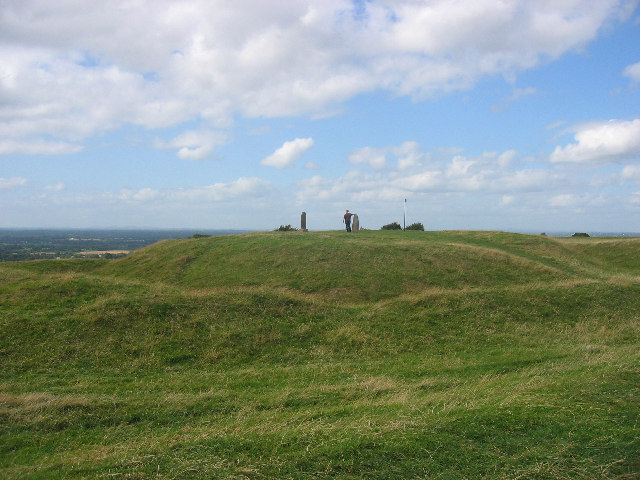
The Hub at the Heart of Ireland
The Hill of Tara in County Meath was more than a royal seat. It was the sacred axis of the ancient Irish world. Kings were inaugurated here. Great festivals were held here. And five major roads — the slige — began here and fanned outward in every direction.
Slige is Old Irish for “way.” More precisely, it described a road wide enough for two vehicles to pass each other without one having to pull aside. These were proper highways — maintained, regulated, and essential to the life of the kingdom.
The concept was remarkable. At a time when much of Europe had no roads at all, ancient Ireland had a named and organised network radiating from a single centre.
The Five Roads and Where They Led
The Slige Dála ran south-west through Kildare and Tipperary toward Munster. It was named after a legendary Druid called Dála, and historians believe sections of it still trace the routes of some of Ireland’s oldest regional roads.
The Slige Midluachra ran north through Louth and Armagh toward Ulster, eventually reaching the northern coast. It connected Tara to the ancient kingdoms of the north — the route of armies and messengers for centuries.
The Slige Mhór — the Great Road — ran west toward Connacht. Some historians believe it followed what is now the N6 corridor through the midlands toward the western coast. This was the busiest of all five roads.
The Slige Asail ran northwest through Westmeath, taking its name from the ancient territory of Assal. The Slige Cualann ran southeast toward Wicklow and the Irish Sea, connecting the heart of the kingdom to the coast.
Who Travelled These Roads?
Kings and their retinues. War bands heading to battle. Poets travelling between courts. Traders moving cattle, cloth, and metalwork from province to province. Pilgrims seeking holy wells and high crosses. These roads carried everything Ireland had to offer.
But the slige were not for the powerful alone. Under Brehon law — Ireland’s ancient legal system — every great road was a public way. Travellers had a legal right of passage. Any king who let the roads fall into disrepair, or who failed to protect those travelling on them, was considered unfit to rule.
Hospitality was legally bound to the roads. Certain bruighe — hostels maintained by lords along the routes — were required to be kept open at all times, with food and shelter available to any traveller, regardless of rank.
☘️ Enjoying this? 64,000+ Ireland lovers get stories like this every week.
Thinking about it seriously? If you’ve started actually planning a move, our complete the full Move to Ireland guide walks through every step, every cost, and the paperwork that catches most people out.
Built Through the Impossible
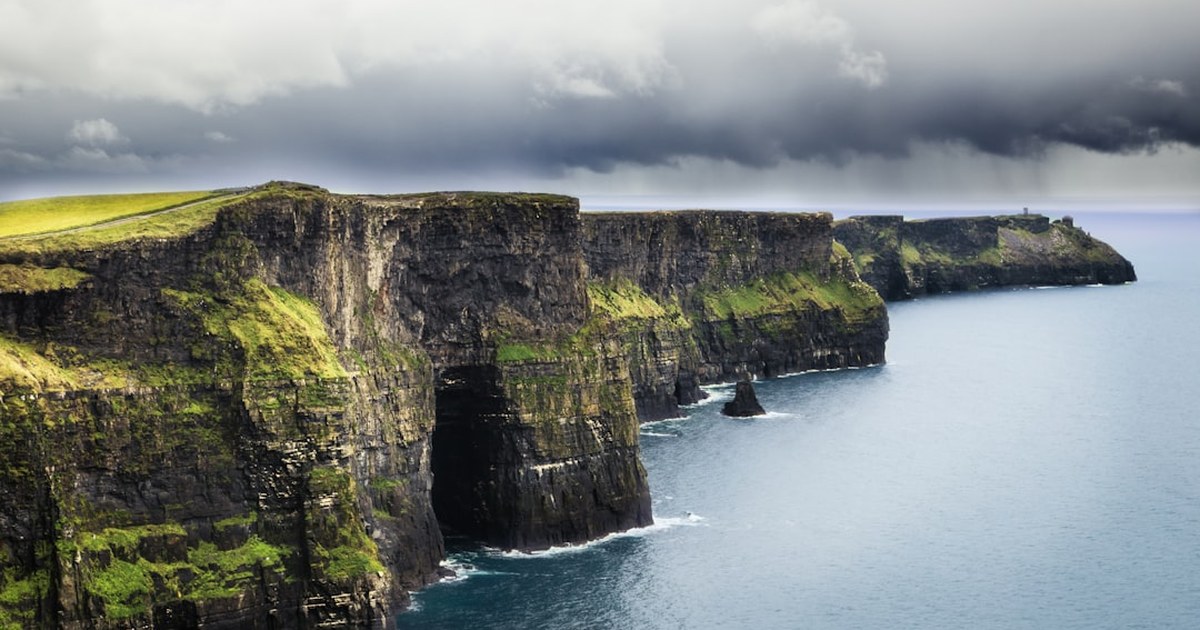
Much of ancient Ireland was bog and dense forest. Building roads through it required extraordinary ambition and skill.
The answer was the tochar — a raised timber trackway constructed from massive oak planks laid side by side over brushwood foundations sunk into the marsh. The planks were often split from single trees felled with stone axes. Each section of road represented weeks of communal labour.
The most remarkable surviving example is the Corlea Trackway Heritage Centre in County Longford, where an 18-metre section of an Iron Age road built in 148 BC sits on permanent display, preserved exactly as it was when the builders laid it down. Standing beside those ancient oak planks, you understand the scale of what they were willing to do to stay connected.
Roads That Never Quite Disappeared
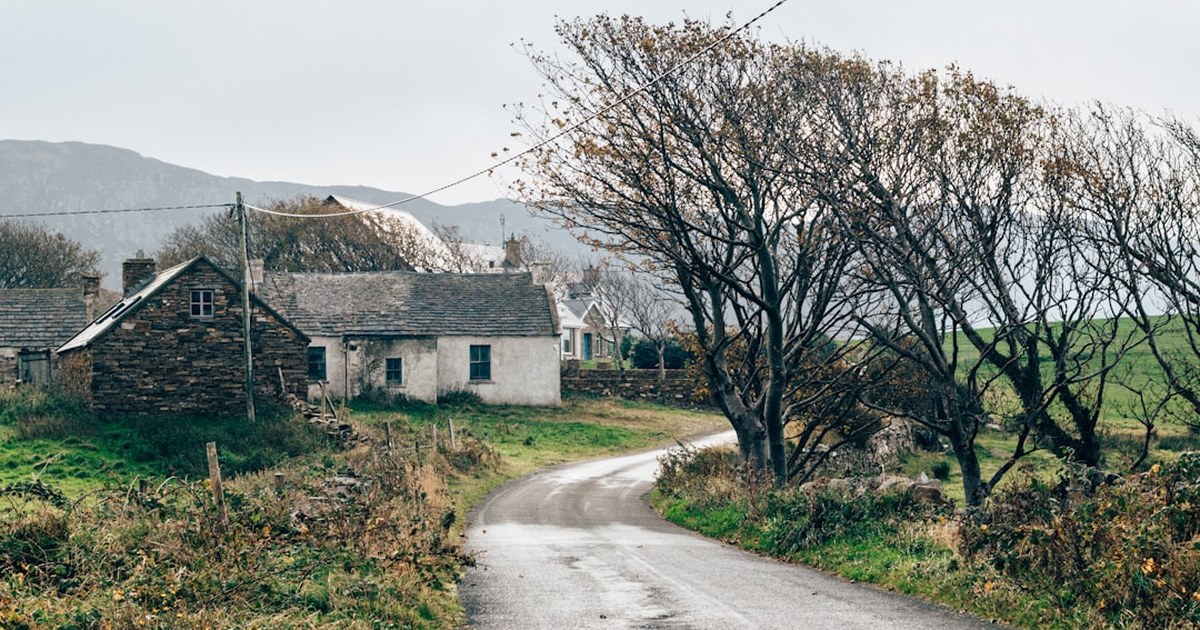
Not all the ancient roads were buried and forgotten. Road historians have traced sections of the slige network onto modern maps, and many believe certain routes in Leinster and Meath still follow paths first established thousands of years ago.
Drive older routes through the Boyne Valley or along the corridors connecting Dublin to the midlands, and you may be travelling a road first used by chariot wheels. The landscape remembers, even when the names no longer do.
If you are planning a heritage journey through the Boyne Valley or Meath, our Ireland trip planning guide will help you build an itinerary around the island’s most remarkable ancient sites.
Where It All Began — Tara Today
The Hill of Tara in County Meath is one of Ireland’s most rewarding heritage sites. On a clear day you can see five counties from its summit. In ancient times, standing at that same spot, you would have seen five roads leading outward in every direction beneath your feet.
Nothing else in Ireland places you so precisely at the centre of something so old. There is a stillness at Tara that doesn’t feel accidental. It feels like the world converging on a point.
Those five roads carried the full weight of Irish life — its stories, its laws, its music, its dead, its newborns. For thousands of years, every journey across the island was somehow connected to that single hill.
Most of the roads are gone now. But the impulse that built them — the desire to reach one another, to cross the bog, to arrive — hasn’t changed at all.
☘️ Your Irish family has a story waiting to be found.
Discover where your Irish ancestors came from — their county, their name, their story. Our free step-by-step guide walks you through every record, DNA tool, and ancestry archive. Join 64,000+ readers staying connected to Ireland.
Claim Your Free Irish Ancestry Guide →Get the free guide
Enter your email and we will send you straight to the download.
Love more? Join 43,000 Scotland lovers → · Join 30,000 Italy lovers → · Join 7,000 France lovers →
Free forever · · Unsubscribe anytime
Tours & experiences you might love


Powered by Viator. Some links are affiliate links — we may earn a small commission at no extra cost to you.
Secure Your Dream Irish Experience Before It’s Gone!
Planning a trip to Ireland? Don’t let sold-out tours or packed attractions spoil your journey. Iconic experiences like visiting the Cliffs of Moher, exploring the Rock of Cashel, or enjoying a guided walk through Ireland’s ancient past often sell out quickly—especially during peak travel seasons.

Booking in advance guarantees your place and ensures you can fully immerse yourself in the rich culture and breathtaking scenery without stress or disappointment. You’ll also free up time to explore Ireland’s hidden gems and savour those authentic moments that make your trip truly special.
Make the most of your journey—start planning today and secure those must-do experiences before they’re gone!
Subscribe Free