

Tracing your roots in Cork starts with a name. It might be Murphy, Sullivan, McCarthy, or Crowley — a surname passed down through generations. Whatever thread your family has kept, County Cork is where you go to follow it.
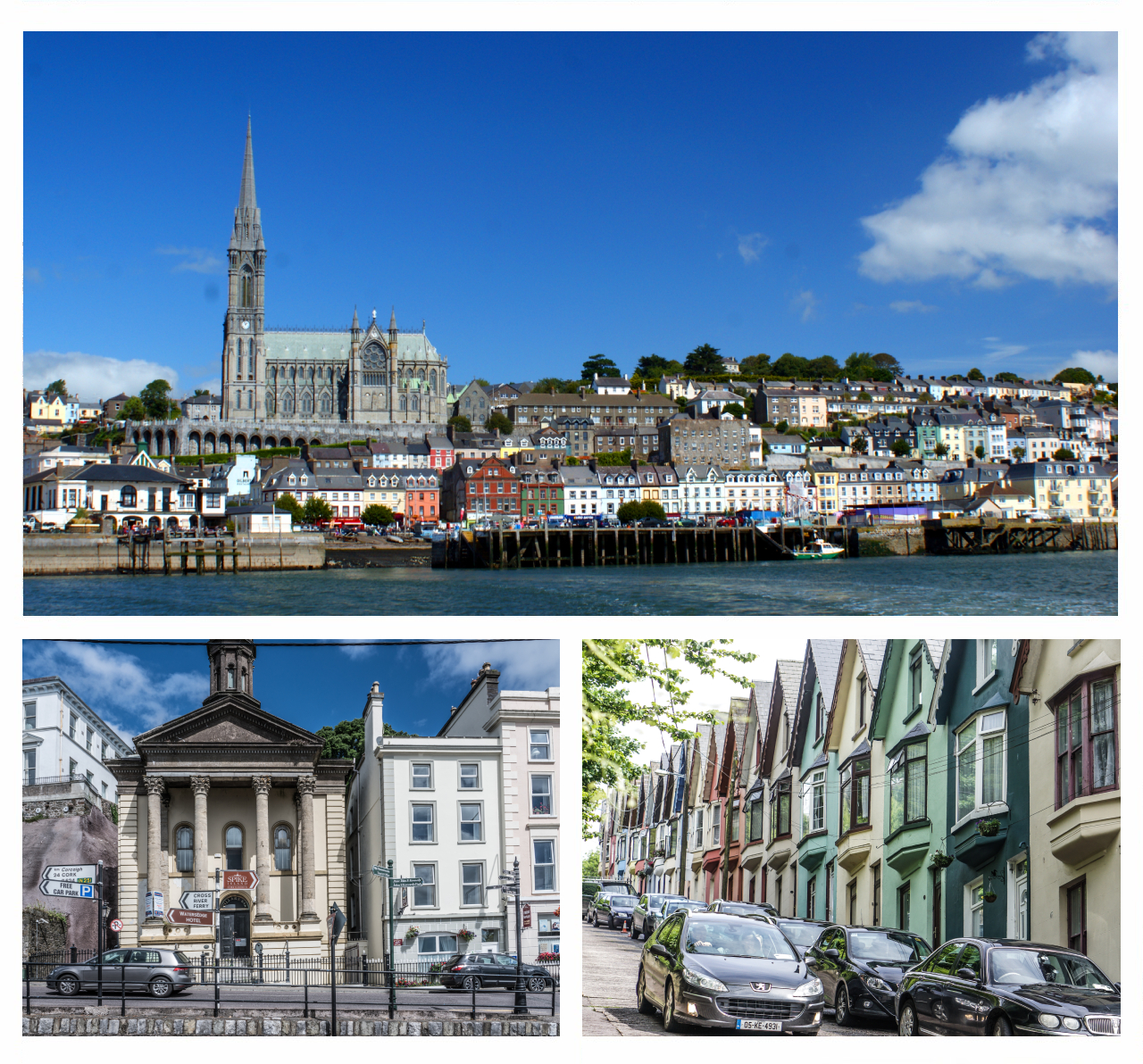
Millions of Americans trace their roots back to County Cork. Many families left through Cobh, then called Queenstown. Between 1848 and 1950, over 2.5 million people sailed from this harbour town. They left for America, Australia, Britain, and Canada. Most never came back.
This five-day plan helps you retrace their steps. You will visit the port they left from, the county archives where their names survive, and the parishes where they lived before the ships changed everything.
Why Cork Is the Right Place to Start Tracing Your Roots in Cork
Cork is the largest county in Ireland. It has more genealogy records, heritage centres, and emigrant history than almost anywhere else on the island. The county archives are well-staffed and experienced with diaspora research.
The county’s surnames tell you a lot. O’Sullivan is the most common Cork name. Murphy, McCarthy, O’Brien, and Crowley follow close behind. If you carry one of these names — or Driscoll, Regan, O’Donovan, or O’Mahony — your family almost certainly came from Cork.
Cork also carries deep Famine scars. The Skibbereen area in west Cork saw some of the worst suffering in Ireland between 1845 and 1852. Hundreds of thousands starved or fled. The records from this period are preserved well and deeply moving.
Our guide to Irish surnames from County Cork covers the origins and meanings of the county’s most common family names. Read it before you travel.
☘️ Your Irish family has a story waiting to be found.
Discover where your Irish ancestors came from — their county, their name, their story. Our free step-by-step guide walks you through every record, DNA tool, and ancestry archive. No experience needed.
Claim Your Free Irish Ancestry Guide →Before You Travel: Gather Your Family Records First
Do some groundwork before you arrive. It will make your trip far more focused and rewarding.
Start with what you know. Ask elderly relatives for names, places, or dates. Even a rough decade helps. The more specific you can be, the more useful your visit to the Cork City and County Archives will be.
Church records are the most important starting point for Cork research. The registers at the National Library of Ireland go back to the early 1800s in many Cork parishes. You can search them free at nli.ie.
Griffith’s Valuation lists every landholder in Cork in the 1850s. Search it free at askaboutireland.ie. If your surname appears with a specific townland, that is the place you want to visit.
Understanding how Irish townlands work is key to Cork research. Our guide to Irish townlands and ancestry research explains how these ancient land divisions can pinpoint exactly where your family lived.
Our full guide to tracing your Irish ancestry covers every national record source. Read it before you pack.
☘️ Enjoying this? 64,000 Ireland lovers get stories like this every week. Subscribe free →
Day 1: Cobh — The Harbour Where Cork Said Goodbye
Start in Cobh. This is where your Cork ancestors most likely set sail.
The town sits on Great Island in Cork Harbour. The journey from Cork City takes about 25 minutes by train. When the ship took on its last passengers here in 1912, it was called Queenstown. The vessel was the Titanic.
Long before the Titanic, Cobh was the departure point for generations of emigrants. During the Famine, ships left this harbour carrying the starving and the desperate. The journey to America took four to six weeks. Many did not survive it.
Visit the Cobh Heritage Centre first. It holds the Queenstown Story exhibition. The centre has a passenger database covering millions of emigrants who sailed from the port. Staff can help you find which ship your ancestors travelled on and which year they left.
Walk up the hill to St Colman’s Cathedral afterwards. The cathedral dominates the Cobh skyline. Its bells ring out across the harbour. Inside, the stained glass windows tell Ireland’s story in colour and light. Many of the ancestors of Irish-American Catholics worshipped here before they left.
Spend the evening in Cobh town. The terrace houses along the hill are among the most photographed in all of Ireland. The town has a quiet weight to it. You feel the departures. That is worth sitting with.
Day 2: Cork City — The Archives and the County Story
Drive or take the train back to Cork City for Day 2. This is the day for serious research.
Start at the Cork City and County Archives. The archive holds land records, estate papers, workhouse records, and local newspapers going back to the 1700s. Book your visit in advance. Bring photocopies of any documents you already have.
The staff here are experienced with diaspora research. They will help you identify which parishes to focus on and which records survive. A morning here can unlock years of independent searching.
After lunch, visit the Cork Butter Museum on O’Connell Square, in Cork’s historic Shandon district. Cork butter was exported across the British Empire in the 18th and 19th centuries. The trade employed many Cork families. Understanding the county’s economic history helps you understand why emigration happened when it did.
Finish the day with a walk along the River Lee. The river runs through the centre of Cork City. The older parts of the city follow its course. Parts of Cork were islands once — the streets were water. That history is still visible in the city’s shape today.
Day 3: Skibbereen — The Heart of the Famine
Day 3 takes you west to Skibbereen. This is one of the most important places in Irish Famine history.
The suffering in the Skibbereen area was so severe that it made international headlines in 1846 and 1847. Artists and journalists came from England and the United States to record what they saw. The images they brought back shocked the world.
Visit the Skibbereen Heritage Centre. The Mass Famine Grave exhibition marks where thousands of people from the surrounding parishes were buried without coffins or markers. It is quiet, dignified, and important. Walking through this space is a powerful experience.
Many families in the American Midwest and New England trace their Cork roots to the Skibbereen area. If your family came from west Cork — from O’Donovan, O’Driscoll, McCarthy, or Crowley stock — this is where they likely suffered most.
On the drive to Skibbereen, you pass through Baltimore, Bantry, and the fishing villages of the Mizen Peninsula. This coastline has barely changed in 150 years. Your ancestors walked these roads. That fact stays with you.
Day 4: Blarney and North Cork — The Munster Clan Lands
Day 4 brings you north of Cork City to Blarney and the wider Munster countryside.
Most visitors come to Blarney Castle to kiss the famous stone. That is worth doing. But the castle’s real interest for heritage visitors lies in its history.
Blarney Castle was built by the MacCarthy clan in the 15th century. The McCarthys were among the most powerful Gaelic families in all of Munster. If you carry the McCarthy name — or any related form such as MacCarthy, Carty, or MacGillicuddy — this is your ancestral territory.
The land around Blarney and Mallow holds strong O’Brien and O’Sullivan connections too. North Cork was heavily affected by the Penal Laws of the 17th and 18th centuries. Catholic families lost land and rights under these laws. Many of the emigrant waves of the 1800s came directly from these communities.
Visit the Cork County Library’s local history section in Carrigrohane Road if you want to dig deeper into north Cork surnames. The library has a strong Irish ancestry collection and digitised local newspapers going back to the 1800s.
Day 5: The Cork Genealogical Society and What Comes Next
Use your final day to pull everything together.
The Cork Genealogical Society runs workshops for people researching Cork ancestry. Their members have deep local knowledge. They know which parishes have complete records and which are missing. They can point you to sources that no national database will surface.
Book a session with a local genealogist if you can. Even two hours with an experienced researcher can unlock years of independent searching. Local genealogists in Cork typically charge €50 to €100 per session.
On your last afternoon, go back to a place that moved you earlier in the week. Return to Cobh if you started there. Or go back to the Skibbereen Famine grave. Sit with it. Let the connection settle.
You came here carrying a name and a half-remembered story. You leave with something more solid. You know the parish, the harbour, the county. You know the years your family lived here and the year they left. That is not a small thing.
For a longer trip, our 7-day Irish ancestry itinerary gives a full framework for visiting heritage sites across Ireland. Our complete Irish heritage trip planning guide covers every county in detail.
Practical Information for Your Cork Heritage Trip
Getting there: Cork Airport connects to most European cities and London. The journey from Dublin to Cork takes about 2.5 hours by train. Renting a car is the best option for visiting Skibbereen, Cobh, and north Cork.
When to go: Spring (April to June) and early autumn (September to October) offer the best combination of weather and manageable crowds. The Cork Genealogical Society runs most of its workshops from September to April.
Where to stay: Cork City is the best base for this itinerary. Midleton, 20 minutes east of Cork City, is a quieter alternative with easy access to Cobh.
Archive tips: Book appointments in advance. Arrive with specific names, parishes, or approximate dates if you have them. Bring a notebook. Many archive items cannot be photographed. Take clear notes about every document you find.
Frequently Asked Questions About a Cork Heritage Trip
What records survive for County Cork ancestry research?
Cork has strong church records from the early 1800s in most parishes. The National Library of Ireland holds the parish registers and you can search them online at nli.ie. Griffith’s Valuation from the 1850s covers almost every household in the county and is searchable free at askaboutireland.ie. The Cork City and County Archives holds estate papers, land records, and workhouse records for the Famine period.
How do I find which Cork townland my family came from?
Griffith’s Valuation is the best starting point. It lists every head of household in the county in the 1850s by townland and parish. If your surname appears in a specific townland, cross-reference it with parish records to build your family tree further back. Local genealogists at the Cork Genealogical Society can help identify townlands where your surname has the highest concentration.
Is Cobh worth visiting for ancestry research?
Yes. Cobh (formerly Queenstown) was the main emigrant port for millions of people leaving Cork and Munster between 1848 and 1950. The Cobh Heritage Centre holds a passenger database covering many of these departures. If your Cork family emigrated before 1950, there is a strong chance they sailed from Cobh. Even if you find no specific record, the visit is a powerful experience.
What are the most common surnames with roots in County Cork?
The most common surnames rooted in County Cork include O’Sullivan, Murphy, McCarthy, O’Brien, Crowley, O’Donovan, Driscoll, O’Mahony, Regan, and Collins. Many of these names have Gaelic origins stretching back over a thousand years. Our guide to Irish surnames from County Cork covers the origins and meanings of the county’s major family names in detail.
How long does a Cork heritage trip take?
Five days gives you enough time to visit Cobh, Cork City Archives, Skibbereen, Blarney, and the county’s genealogy resources. If your specific ancestral parish is in a remote area of west Cork or north Cork, allow an extra day for travel. The county is large. A car is essential for anything outside Cork City itself.
☘️ Join 64,000+ Ireland Lovers
Every Friday, get Ireland’s hidden gems, local secrets, and travel inspiration — the kind you won’t find in any guidebook.
Subscribe free — enter your email:
Get the free guide
Enter your email and we will send you straight to the download.
📲 Know someone who’d love this? Share on WhatsApp →
Love more? Join 43,000 Scotland lovers → · Join 29,000 Italy lovers → · Join 7,000 France lovers →
Free forever · One email per week · Unsubscribe anytime
Tours & experiences you might love


Powered by Viator. Some links are affiliate links — we may earn a small commission at no extra cost to you.
Secure Your Dream Irish Experience Before It’s Gone!
Planning a trip to Ireland? Don’t let sold-out tours or packed attractions spoil your journey. Iconic experiences like visiting the Cliffs of Moher, exploring the Rock of Cashel, or enjoying a guided walk through Ireland’s ancient past often sell out quickly—especially during peak travel seasons.

Booking in advance guarantees your place and ensures you can fully immerse yourself in the rich culture and breathtaking scenery without stress or disappointment. You’ll also free up time to explore Ireland’s hidden gems and savour those authentic moments that make your trip truly special.
Make the most of your journey—start planning today and secure those must-do experiences before they’re gone!