

If your family ever sang “It’s a Long Way to Tipperary”, this guide is for you. Tracing your roots in Tipperary is one of the most rewarding ancestry journeys in Ireland. The county sent more emigrants to America than almost any other Irish county during the Famine years. Many of those families built new lives across the Atlantic — but never forgot where they came from. This 5-day heritage plan helps you make the journey back.
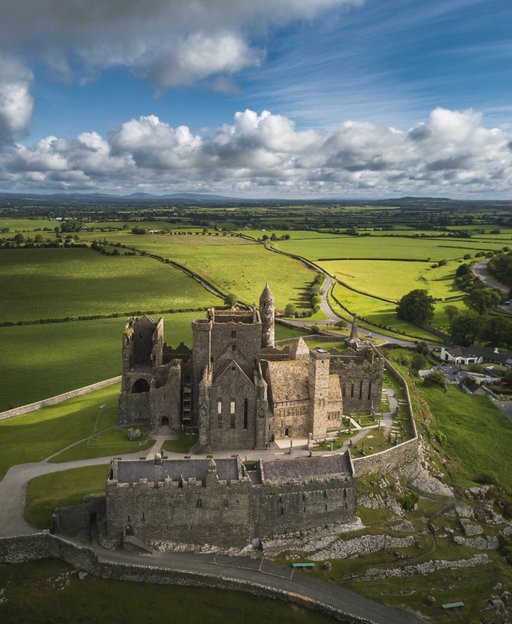
Tipperary is one of Ireland’s largest inland counties. It stretches from the Galty Mountains in the south to the shores of Lough Derg in the north. The Golden Vale runs through its heart — rich farmland that fed families for centuries, and then failed them in the 1840s. More than 200,000 people left Tipperary between 1845 and 1855. Most went to New York, Boston, and Philadelphia. Their descendants number in the millions today.
This plan covers five days of focused heritage research and on-the-ground exploration. You’ll visit county archives, walk the same streets your ancestors walked, and leave with a clearer picture of where your family came from. Before you travel, spend time doing the online groundwork outlined in our complete guide to tracing your Irish ancestry.
☘️ Your Irish family has a story waiting to be found.
Discover where your Irish ancestors came from — their county, their name, their story. Our free step-by-step guide walks you through every record, DNA tool, and ancestry archive. No experience needed.
Before You Start Tracing Your Roots in Tipperary: Online Research First
The most productive heritage trips start with solid pre-travel research. Even a few hours online can transform your visit from general exploration into a targeted ancestral search.
- IrishGenealogy.ie — Free access to the 1901 and 1911 Census returns. Every person in every Tipperary household is listed with name, age, townland, and religion. Start here. It’s free.
- National Archives of Ireland (nationalarchives.ie) — Civil registration records from 1864. Births, marriages, and deaths are searchable online at no cost.
- AskAboutIreland.ie — Free access to Griffith’s Valuation (1847–1864), which lists every landholder and tenant in Tipperary alongside their exact townland.
- FindMyPast and Ancestry.com — Both hold digitised Tipperary Catholic parish registers, many dating back to the 1820s.
- DNA testing — If you’re unsure which county your family came from, an Irish DNA test through AncestryDNA or 23andMe can point you toward Munster or Leinster connections before you book your flights.
If your family name is Ryan, Maher, Kennedy, Dwyer, Bourke, Hayes, or Fogarty, read our guide to Tipperary surnames first. These are among the most common in the county, and knowing their origins helps you narrow your search.
Write down every townland, parish name, or county reference you find in family documents before you travel. A townland is the smallest geographical unit in Ireland — a cluster of farms and fields that your ancestors would have named as home. If you want to understand how townlands work and why they matter for genealogy, that guide will explain everything.
Day One: Clonmel — The County Town and Your Starting Point
Arrive in Clonmel, the county town of Tipperary. It sits in the valley of the River Suir, surrounded by the Comeragh Mountains. In the 19th century, Clonmel was a busy market town and the departure point for many emigrants heading to Cobh — then called Queenstown — to board ships for America.
Your first stop is the Clonmel Library and Local Studies Centre on Emmet Street. It holds a strong collection of Tipperary genealogy resources, including local newspapers going back to the 1800s. Notices of deaths, marriages, and emigration appeared regularly in these papers. If your ancestor left Tipperary in the Famine years, they may have been mentioned by name.
In the afternoon, visit the Tipperary County Museum, also in Clonmel. The museum tells the county’s story from the Iron Age to the present. The Famine section is particularly moving. Families in Tipperary didn’t just go hungry — they were evicted, their homes knocked down behind them to clear the land for cattle grazing. Many left with nothing but the clothes on their backs. The museum puts that history into context in a way that no online record can.
That evening, walk along the Suir quays and think about the journey your ancestors made. From here, they would have travelled south by road or river to Waterford, then west to Cobh. Many never returned.
☘️ Enjoying this? 64,000 Ireland lovers get stories like this every week. Subscribe free →
Day Two: Cashel — Ancient Seat of Munster’s Kings
Drive north to Cashel, about 20 miles from Clonmel. The Rock of Cashel rises above the Golden Vale like something from a dream. It was the seat of the Kings of Munster for centuries and the spiritual heart of this region. Your Tipperary ancestors almost certainly knew it. Many would have worshipped in the churches at its base.
Walk up to the Rock in the morning before the coach tours arrive. Stand in Cormac’s Chapel, built in 1134. Run your hand along the carved stone. This is where Munster kings were crowned and where Brian Boru — the High King of Ireland and the ancestor claimed by every O’Brien family in Tipperary — once held court.
Below the Rock, visit the Cashel Heritage Centre on Main Street. The staff here can advise on local surname research and point you toward parish records for the Cashel area. They also hold information on the Cashel Poor Law Union records — these document families who received relief during the Famine and can help place a surname in a specific part of the county.
In the afternoon, walk the short path (just half a mile) to Hore Abbey, west of the Rock. The ruins stand in a field beside it. Cistercian monks farmed this land from 1272. Local families who farmed alongside them for generations adopted surnames that tied them to this place. If your family name is Ryan or Hayes, the fields around Cashel and Hore Abbey were likely home to your direct ancestors.
Day Three: Thurles — Your Genealogy Research Day
Day three is your most important research day. Drive to Thurles, the largest town in North Tipperary and home to the county’s dedicated genealogy service.
The Tipperary Family History Research Centre is based at the Excel Heritage Centre on The Way in Thurles. This is the dedicated genealogy centre for the county. Their staff hold transcripts of Catholic parish registers, civil registration records, land records, and local newspapers. You can book a paid research session in advance at tfhrc.com. If you haven’t been able to trace your family before arriving, this is the place to start with professional help.
Tip: bring every piece of information you have with you. A name is helpful. A townland is better. A county reference from a ship manifest is better still. The more specific you can be, the more the researchers can find in a single session.
In the afternoon, visit Thurles Cathedral. The Cathedral of the Assumption is one of the finest Romanesque revival buildings in Ireland. More importantly for ancestry purposes, the cathedral’s parish records date back to the 1820s. Many Tipperary families — including those of the Ryan, O’Brien, and Kennedy clans — have baptisms, marriages, and burial records held here.
A few miles south of Thurles stands Holy Cross Abbey, a restored 12th-century monastery beside the River Suir. Cistercian monks farmed this valley for 600 years. The abbey was a major pilgrimage site, housing a relic of the True Cross that drew people from across Munster. Walking here in the late afternoon, with the river reflecting the stonework, you feel the weight of centuries. Your family would have made pilgrimage here. Some may have been baptised in its shadow.
- Book ahead: The Tipperary Family History Research Centre takes appointments. Email ahead at [email protected] or book via their website.
- Bring photocopies: Carry copies of family documents — passenger records, death certificates, old letters with place names. Original documents are fragile.
- Ask about the Tithe Applotment Books (1823–1837): These pre-date Griffith’s Valuation and list landholders even earlier. Many Tipperary families appear in these records.
Day Four: South Tipperary — The Famine Road and Cahir Castle
Drive south on Day Four toward Cahir and the Vee Road, which climbs through the Knockmealdown Mountains into County Waterford. This landscape was altered for ever by the Famine. You’ll see the stone walls of roofless cottages in the fields — houses pulled down after families were evicted, left open to the sky as a warning to anyone who couldn’t pay rent.
Cahir Castle stands on a rock island in the middle of the River Suir. It’s one of Ireland’s best-preserved medieval castles, built by the Butler family in the 15th century. The Butlers dominated South Tipperary for three centuries. If your family served as tenants or labourers on Butler lands — which covered vast stretches of the county — their lives were shaped by this place.
From Cahir, drive to the Clogheen area in the Knockmealdown foothills. This was one of the most densely populated parts of Tipperary before the Famine. The townlands here — Ballyporeen, Burncourt, Skeheenarinky — appear regularly in emigrant passenger lists from 1847 to 1855. Walk the road through Ballyporeen, where President Ronald Reagan’s great-grandfather Michael Regan (an O’Regan) was born in 1829 before emigrating to Illinois. The Reagan family homestead and a small heritage display are there today.
On the way back, stop at the South Tipperary County Archives in Clonmel if you have unresolved research questions from Day One. The archives hold Poor Law records, estate papers, and family papers that can fill gaps in your ancestry. They are open to the public by appointment.
Day Five: Nenagh and North Tipperary — Lough Derg and the Ormond Heritage
North Tipperary has a different character to the south. The land here borders the Shannon and Lough Derg. The old kingdom of Ormond stretched across this region — the same Ormond that gave the Butler family their title, the Earls of Ormond, and that shaped the surnames and settlements of every family who farmed here.
Start Day Five in Nenagh, the county town of North Tipperary. The Nenagh Heritage Centre on Banba Square holds North Tipperary genealogy records and can help you trace surnames specific to this part of the county. Families named Kennedy, Gleeson, Egan, and Ryan were concentrated heavily in this northern district. The Heritage Centre offers research assistance and has a well-indexed archive of local records.
From Nenagh, drive the short distance to the shores of Lough Derg. The lake marks the boundary between Tipperary, Clare, and Galway. Stand at the water’s edge and look west across to the Clare shore. Your ancestors looked at this same view. Some of them fished it. Some ferried goods across it on flat-bottomed boats. Some left its shores for America and never returned.
In the afternoon, visit Roscrea and its heritage complex, which includes the grounds of Roscrea Castle and a 12th-century round tower. The Damer House, built in 1715, is one of the finest Georgian houses in Ireland and sits within the castle grounds. Many North Tipperary families were connected to the Damer estate — their names appear in estate records, lease books, and the remarkable Roscrea Poor Law Union registers from the Famine years.
This is your last day in Tipperary. Take the quiet road back toward your departure point. The county will stay with you. It has a way of doing that — of making itself felt in the blood, in the landscape, in the particular quality of the light over the Golden Vale at dusk.
Planning similar trips to other counties? Read our guides to tracing your roots in Kerry, tracing your roots in Galway, and tracing your roots in Cork. For a full national overview, our 7-day Irish ancestry itinerary covers the whole country in one trip.
Practical Information for Your Tipperary Heritage Trip
Tipperary is an inland county. The nearest airports are Shannon (about an hour’s drive northwest) and Dublin (two hours northeast). Most heritage visitors hire a car — public transport between Tipperary towns is limited.
- Getting around: Hire a car at Shannon or Dublin Airport. All the key heritage sites in this plan are within a 45-minute drive of each other.
- Where to stay: Clonmel is the best base for this itinerary — it has a range of accommodation from B&Bs to hotels and puts you within easy reach of all five days’ sites.
- Best time to visit: April to October. The Heritage Centres keep limited winter hours. Summer is the busiest season but the countryside is at its greenest.
- Book genealogy sessions in advance: The Tipperary Family History Research Centre and Nenagh Heritage Centre both require appointments for research assistance. Book at least four weeks ahead.
- Bring family documents: Any ship manifest, death certificate, or baptism record that mentions a Tipperary place name is gold. Bring photocopies.
For a wider overview of planning a heritage journey in Ireland, read our guide to how to plan an Irish heritage trip to your ancestral county. It covers choosing a base, preparing your research, and managing your expectations when records are incomplete.
Frequently Asked Questions
What genealogy resources are available in County Tipperary?
The Tipperary Family History Research Centre in Thurles is the main dedicated genealogy service for the county. The Nenagh Heritage Centre covers North Tipperary. The Clonmel Library and South Tipperary County Archives also hold local history and family records. Online, IrishGenealogy.ie provides free access to the 1901 and 1911 Census for every Tipperary townland.
What are the most common surnames in County Tipperary?
Ryan is the most common surname in Tipperary and one of the most common in all of Ireland. Other prominent Tipperary surnames include Maher (also spelled Meagher), Kennedy, Dwyer, Bourke, Hayes, Fogarty, Cahill, and Sheehan. Many of these names are concentrated in specific parts of the county — the Ryans were strongest in the Owney barony, the Dwyers in the Slieveardagh Hills.
How did the Famine affect County Tipperary?
Tipperary was one of the most severely affected Famine counties. More than 200,000 people left between 1845 and 1855 — around a third of the county’s population. Many were evicted by landlords who knocked down their cottages to clear the land for grazing. The roofless stone walls you see in Tipperary’s fields today often mark the sites of those homes. Most emigrants went to New York, Boston, and Philadelphia.
What records can I search before visiting Tipperary?
Before visiting, search the 1901 and 1911 Census at IrishGenealogy.ie (free). Check Griffith’s Valuation at AskAboutIreland.ie (free) — it lists every Tipperary landholder in the 1850s alongside their townland. Civil registration records from 1864 are searchable at IrishGenealogy.ie. For parish records before 1864, use FindMyPast or Ancestry.com, which hold many digitised Catholic registers for Tipperary dating from the 1820s.
Is Ballyporeen in County Tipperary open to visitors interested in the Reagan connection?
Yes. Ballyporeen is a small village in the Knockmealdown foothills, about 12 miles south of Cahir. It’s the ancestral home of the Reagan family — President Ronald Reagan visited in 1984. The village has a small heritage display about the Reagan connection and a pub that still bears the family name. It’s a useful stop on any South Tipperary heritage drive.
☘️ Join 64,000+ Ireland Lovers
Every Friday, get Ireland’s hidden gems, local secrets, and travel inspiration — the kind you won’t find in any guidebook.
Subscribe free — enter your email:
Already subscribed? Download your free Ireland guide (PDF)
📲 Know someone who’d love this? Share on WhatsApp →
Love more? Join 43,000 Scotland lovers → · Join 29,000 Italy lovers → · Join 7,000 France lovers →
Free forever · One email per week · Unsubscribe anytime
Tours & experiences you might love


Powered by Viator. Some links are affiliate links — we may earn a small commission at no extra cost to you.
Secure Your Dream Irish Experience Before It’s Gone!
Planning a trip to Ireland? Don’t let sold-out tours or packed attractions spoil your journey. Iconic experiences like visiting the Cliffs of Moher, exploring the Rock of Cashel, or enjoying a guided walk through Ireland’s ancient past often sell out quickly—especially during peak travel seasons.

Booking in advance guarantees your place and ensures you can fully immerse yourself in the rich culture and breathtaking scenery without stress or disappointment. You’ll also free up time to explore Ireland’s hidden gems and savour those authentic moments that make your trip truly special.
Make the most of your journey—start planning today and secure those must-do experiences before they’re gone!