

Ireland has dozens of inhabited islands, but only a handful are easy to plan a trip to. These are our ten best, picked for what you will actually see, how you get there and how long you need. Ferry times and seasons below come from the operators and from Heritage Ireland; always confirm the day before you travel, as the Atlantic decides whether boats sail.
We chose them for the quality of the experience, the history and living culture on each island, and how realistic they are to reach. The order is ours, so you are welcome to disagree.
Quick guide to the best islands in Ireland
| Island | County | Go for | Getting there |
|---|---|---|---|
| Skellig Michael | Kerry | Monastery of beehive cells on a sea pinnacle | Licensed boats only; mid-May to Sept |
| Inis Mór | Galway | Dún Aonghasa cliff fort and bike loops | Ferry from Rossaveel, about 40 min |
| Achill Island | Mayo | Keem Bay and the Deserted Village | Bridge at Achill Sound |
| Valentia Island | Kerry | Bray Head and Geokaun views | Bridge, or ferry under 5 min |
| Cape Clear | Cork | Gaeltacht island, birds and whales | Ferry from Baltimore, about 45 min |
| Tory Island | Donegal | Irish-language island at the edge of Donegal | Ferry from Magheroarty, 40–45 min |
| The Great Blasket | Kerry | Abandoned village and seals | Dunquin ferry, April–Sept |
| Inis Oírr | Galway | Plassey wreck and O’Brien’s Castle | Doolin about 15 min; Rossaveel about 55 min |
| Inishbofin | Galway | Beaches and Cromwellian barracks | Ferry from Cleggan, about 30 min |
| Garnish Island | Cork | Italian garden by Harold Peto | Boat from Glengarriff, 10–15 min |
1. Skellig Michael, County Kerry
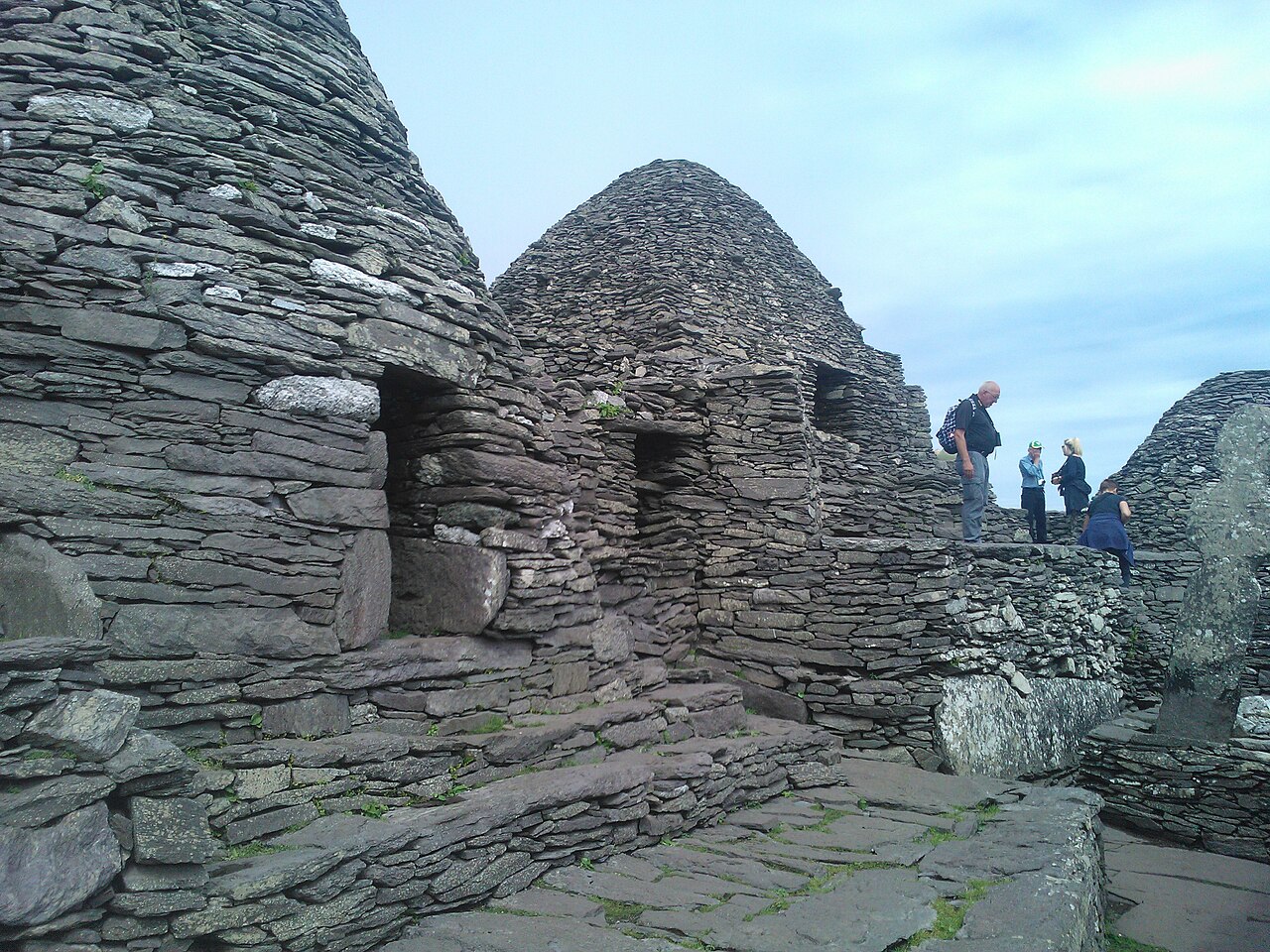
Ireland’s most dramatic island is a pinnacle of rock about 12 km off the Kerry coast. A monastery of beehive-shaped stone cells perches near the top, reached by around 600 stone steps with no handrail. It is a UNESCO World Heritage Site, and landing is tightly controlled to protect it. Ours is the hardest crossing on this list, and the most rewarding. Official info: en.wikipedia.org/wiki/Skellig_Michael.
Know before you go
- Getting there: only licensed boats may land, each carrying a maximum of 12 passengers and landing once a day. Sailings leave from Portmagee. Guides on the island decide each morning whether a landing goes ahead.
- When: the landing season normally runs from mid-May to the end of September, weather permitting. In 2026 the OPW closed the season early, from 21 September, so book for the first half of the season if you can.
- Know: there are no facilities on the island and the steps are steep and uneven. Wear proper shoes and take water.
Official information: Skellig Michael on Heritage Ireland; Travel Extra on the early 2026 closure.
More from us: Is Skellig Michael worth visiting? and how the stone huts have stood for 1,400 years.
2. Inis Mór, Aran Islands, County Galway
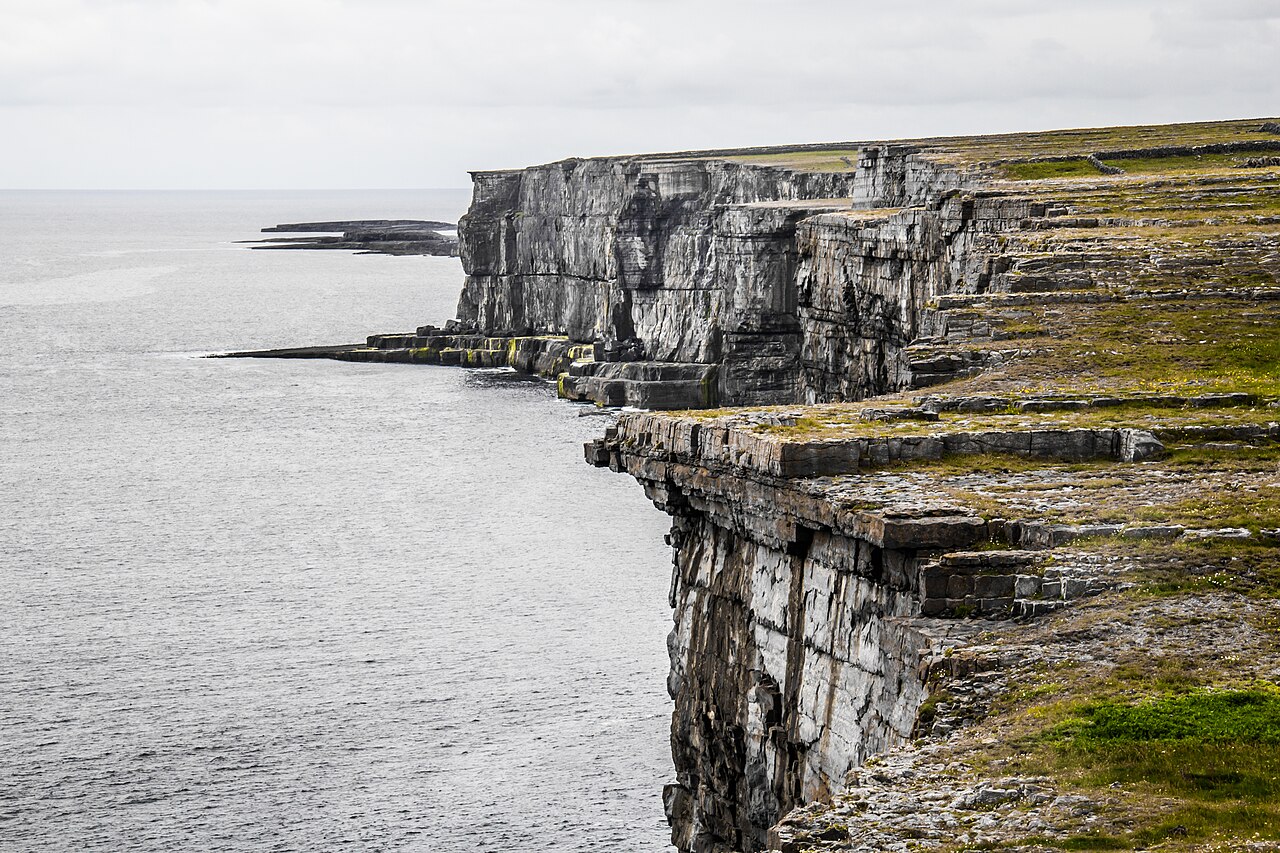
The largest of the three Aran Islands is a limestone landscape of dry-stone walls and small fields, where Irish is still the everyday language. The star is Dún Aonghasa, a prehistoric stone fort that sits right at the edge of a sheer sea cliff. Hire a bicycle at the pier and give yourself a full day to loop the island. Official info: en.wikipedia.org/wiki/Inis_Mór.
Know before you go
- Getting there: Aran Island Ferries sail from Rossaveel (about 37 km west of Galway city) in around 40 minutes. The Doolin Ferry Co. also sails from Doolin in County Clare, in about 35 minutes according to its website.
- Know: check in about half an hour before sailing. Rossaveel is roughly an hour from Galway city by road, and the ferry company runs a shuttle bus from the city.
- Tip: the cliff at Dún Aonghasa has no safety barrier. Keep well back from the edge, especially in wind.
Official information: Aran Island Ferries sailing times; Doolin Ferry.
More from us: our Inis Mór guide.
3. Achill Island, County Mayo
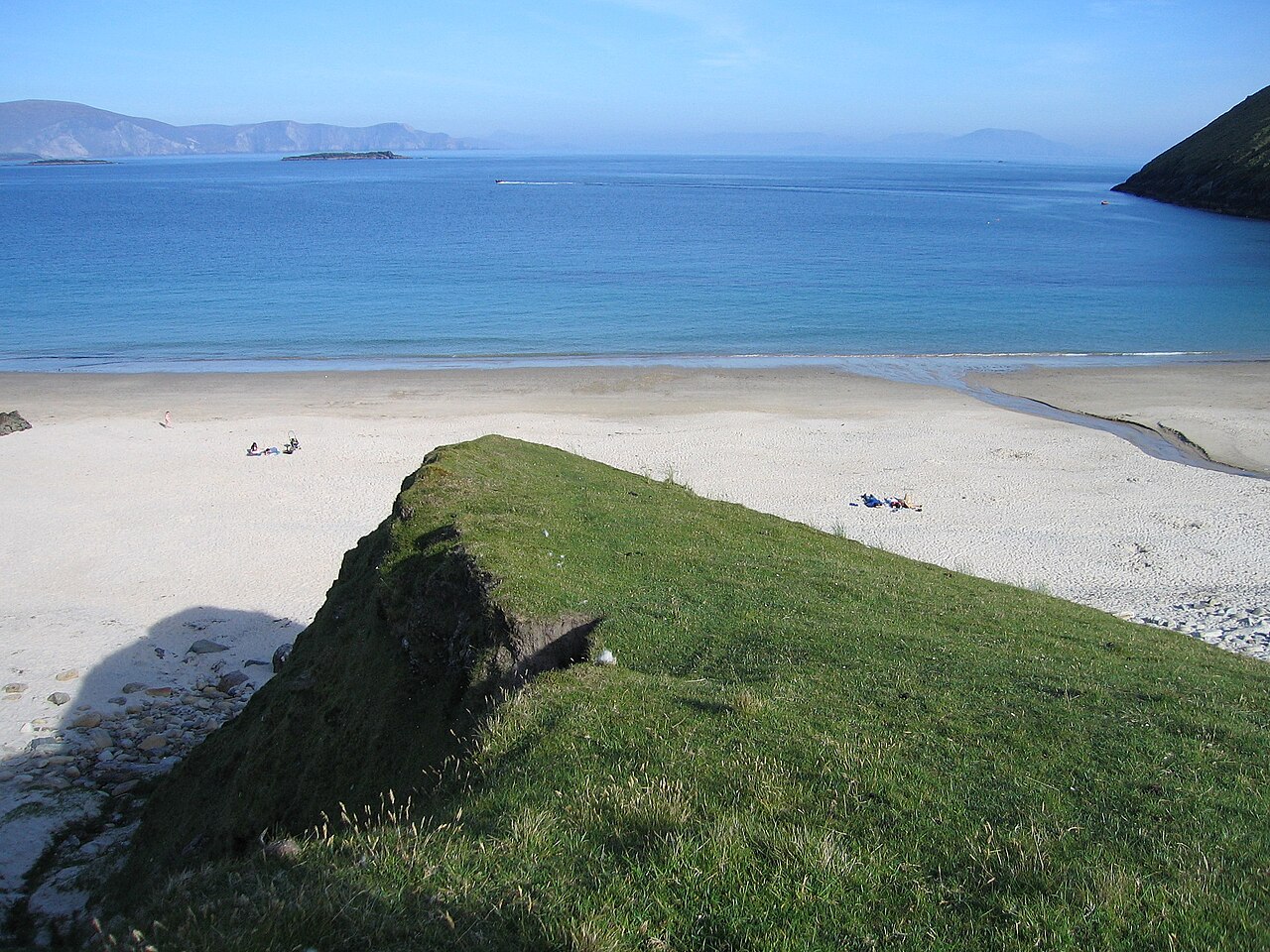
Ireland’s largest island is joined to the mainland by a bridge at Achill Sound, so it is the easiest great island on this list for anyone with a car. Keem Bay, a Blue Flag beach at the island’s far western tip, sits under tall green cliffs. Above Keel, the Deserted Village on the slopes of Slievemore is a line of roofless stone cottages that were abandoned over generations, with the last full-time residents thought to have left during the Famine years. Official info: en.wikipedia.org/wiki/Achill_Island.
Know before you go
- Getting there: drive over the bridge at Achill Sound. Bus Éireann route 450 crosses the island and stops at Slievemore for the Deserted Village.
- Deserted Village: about 3 km north of Keel, with roughly 80 to 100 cottages. Slievemore itself (671 m) can be climbed from behind the village.
- Keem Bay: remote and usually reached by car along a winding road. Take care when swimming.
Official information: Achill’s Deserted Village on mayo.ie.
More from us: our Atlantic Drive road trip and life in County Mayo.
4. Valentia Island, County Kerry
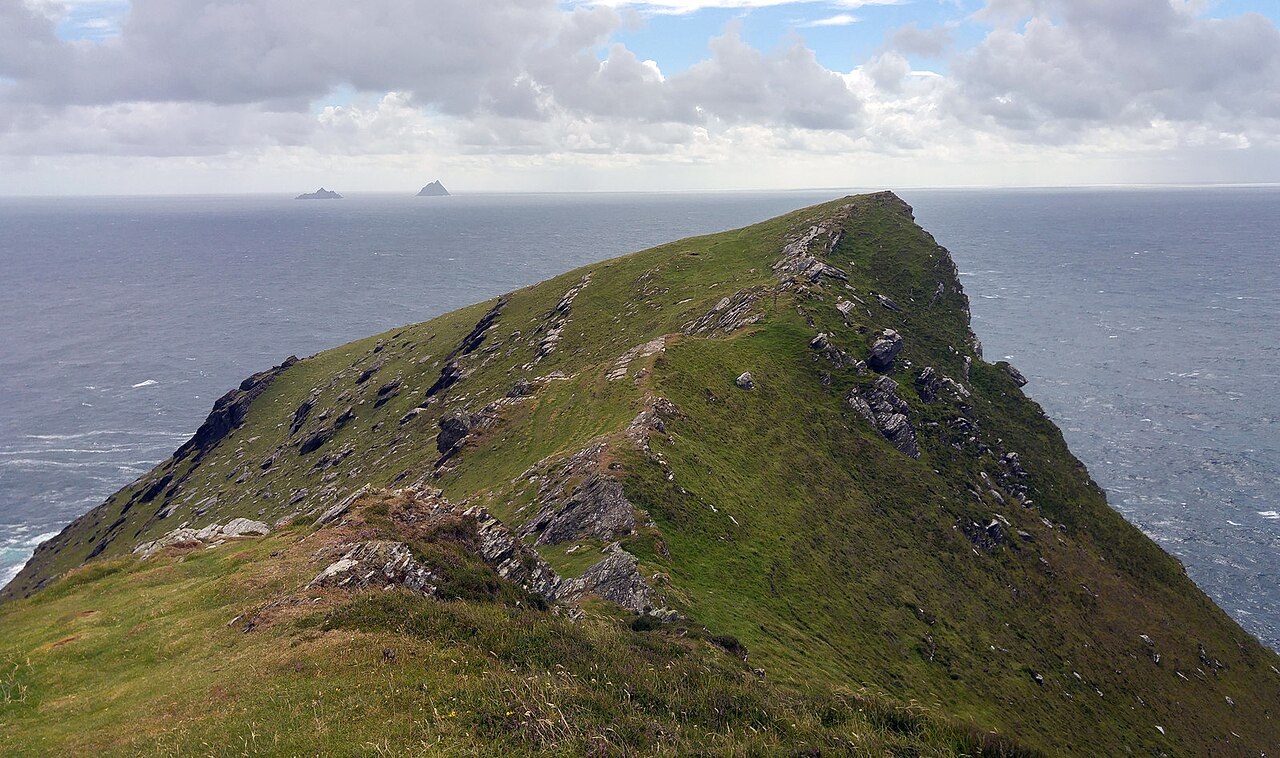
Valentia is a gentle, green island with big views across to the Skellig rocks. It was also the Irish end of the first lasting transatlantic telegraph cable. Walk or drive up to Bray Head for the Atlantic panorama, or to Geokaun, the island’s highest point, above the north-east coast near the lighthouse. Official info: en.wikipedia.org/wiki/Valentia_Island.
Know before you go
- Getting there: by the bridge at Portmagee, or by the seasonal car ferry from Reenard Point, near Cahersiveen, to Knightstown. The operator says the crossing takes under five minutes and the ferry runs from April to October.
- Know: ferry hours are posted by the operator and change through the season, so check before you rely on them.
- Combine it: Valentia is the handiest base for Skellig Michael boats, which sail from nearby Portmagee.
Official information: Valentia Island ferry.
More from us: our Valentia Island guide and The Wire Beneath the Water.
5. Cape Clear Island (Oileán Chléire), County Cork
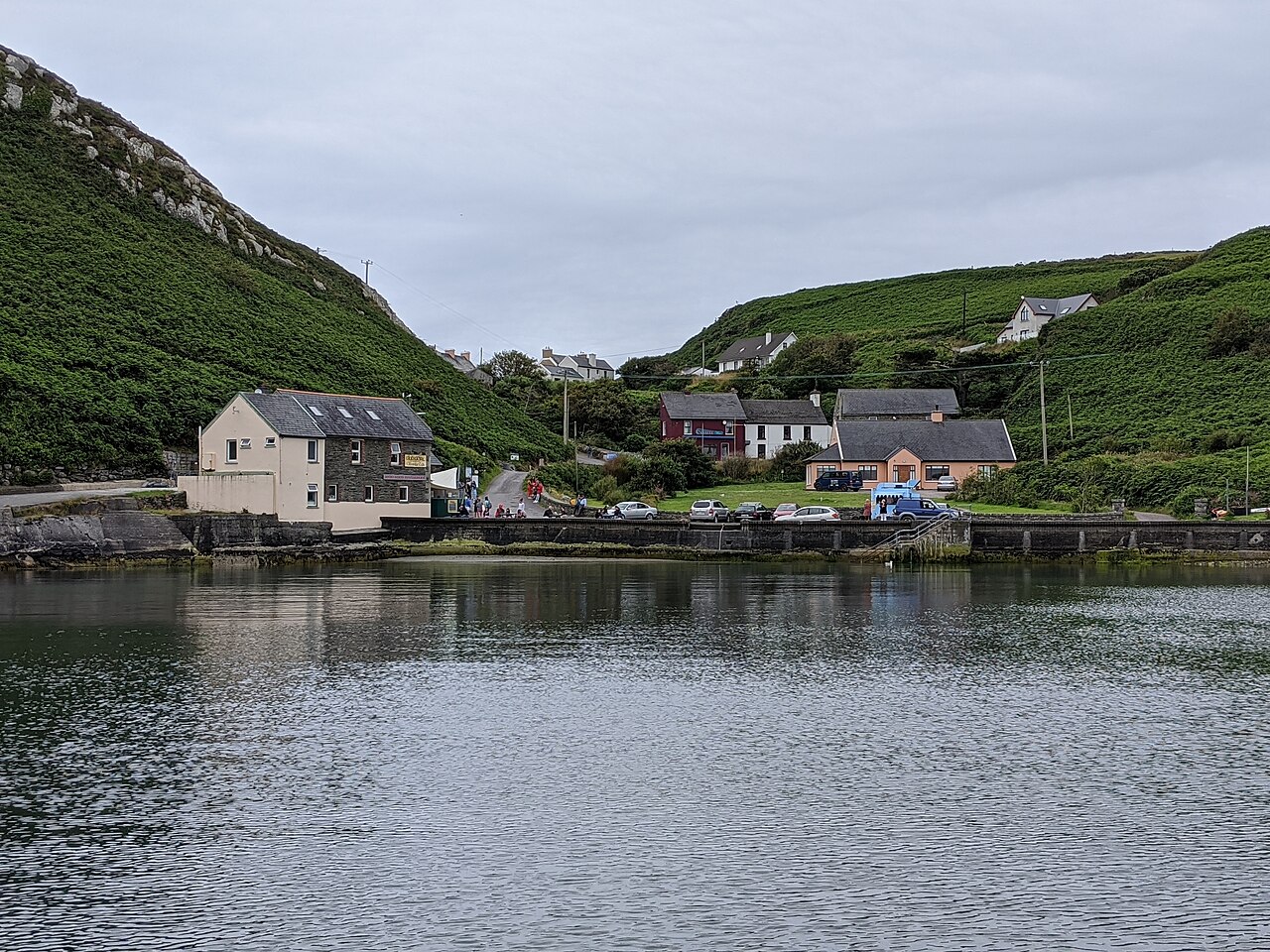
Ireland’s most southerly inhabited island is a Gaeltacht community with a bird observatory, a tiny harbour and a rugged coast. Birdwatchers come for the migrants in spring and autumn, and the surrounding sea is a good place to look for whales and dolphins in the right season. Official info: en.wikipedia.org/wiki/Cape_Clear_Island.
Know before you go
- Getting there: Cape Clear Ferries sail from Baltimore, taking about 45 minutes each way. The Baltimore service runs every day of the year except Christmas Day. A seasonal service also runs from Schull.
- Know: sailing times change by season, so check the timetable before you go. Allow time to walk between the harbour and the south of the island.
Official information: Cape Clear Ferries; Discover Ireland on Baltimore and Cape Clear.
More from us: our Cape Clear guide.
6. Tory Island (Toraigh), County Donegal
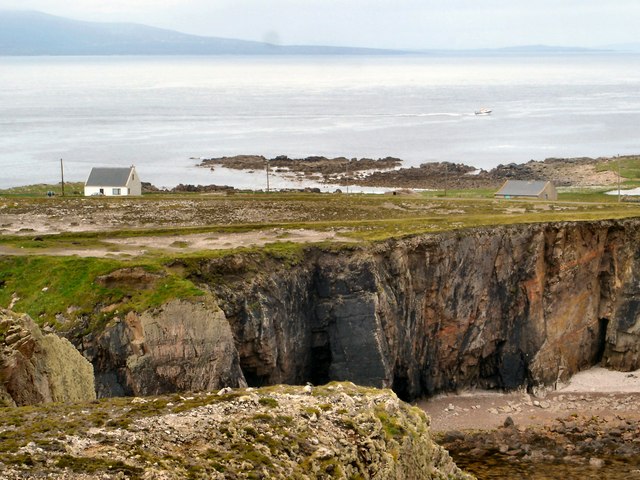
Out beyond the north-west tip of Donegal, Tory feels like the edge of the world. It has a strong Irish-language culture, its own tradition of island painters and an island ‘king’, and clifftops with a seabird-rich shoreline. There is a round tower near the village, a rare survivor of the island’s early monastery. Official info: en.wikipedia.org/wiki/Tory_Island.
Know before you go
- Getting there: the ferry leaves from Magheroarty Pier in County Donegal and takes about 40 to 45 minutes. The operator runs it all year round, weather permitting.
- Know: Magheroarty Pier is tidal, so sailings can be rescheduled or cancelled. Call before you travel or use the operator’s free app, and allow a spare day in winter.
Official information: Tory Ferry; Discover Ireland on the Tory ferry.
More from us: our round-up of Irish islands.
7. The Great Blasket, County Kerry
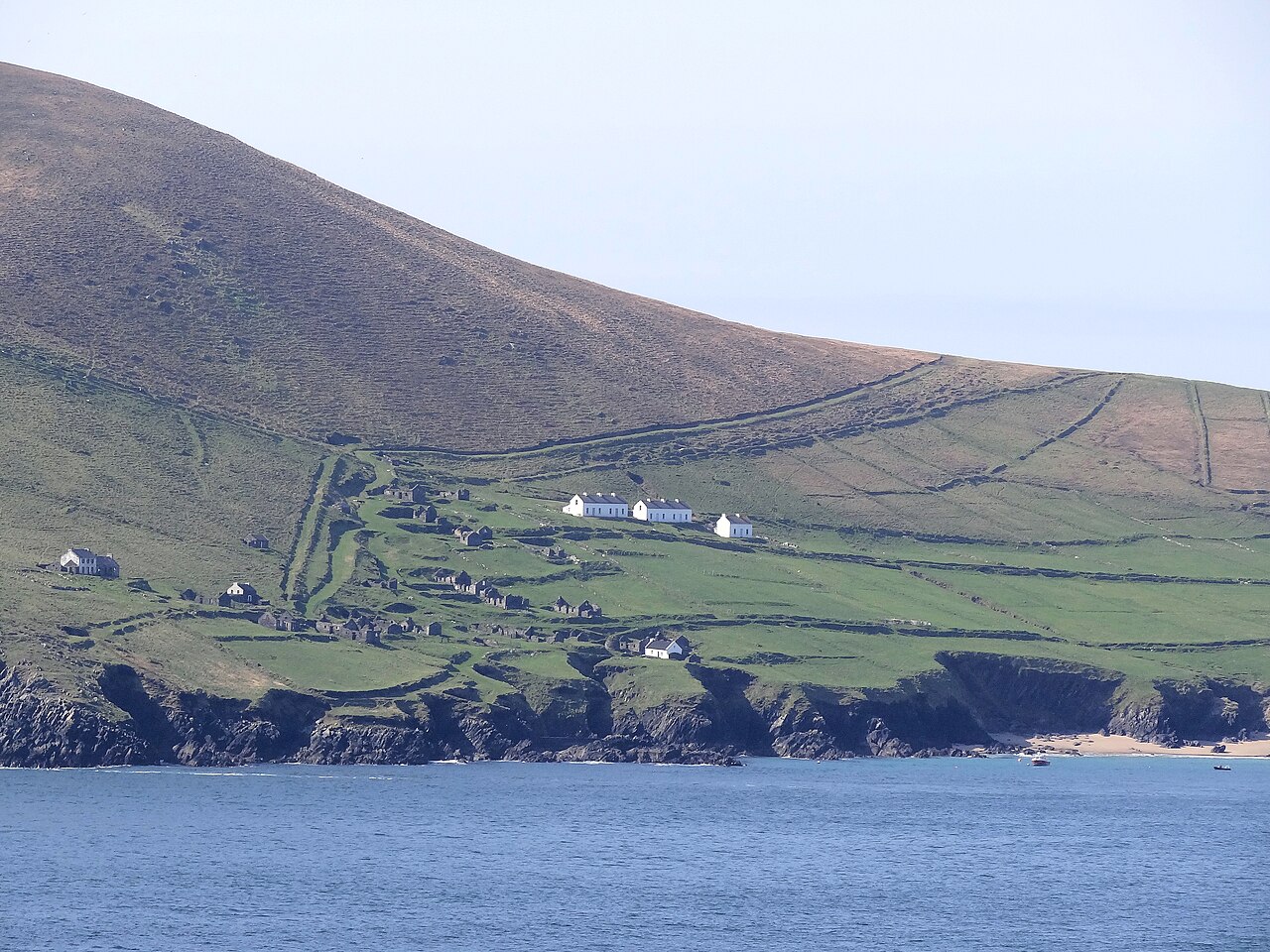
The islanders left in 1953, but the Great Blasket still draws visitors with its ruined village, grey seals and the extraordinary memoirs the islanders wrote. The white-sand beach below the village looks almost Caribbean on a calm day. Plan to spend most of your visit walking among the roofless houses and up to the island’s summit, Croaghmore.
Know before you go
- Getting there: ferries cross from Dunquin Pier on the Dingle Peninsula, usually from around April to the end of September, weather permitting. Operators quote crossings of 10 to 30 minutes depending on the tide.
- Know: visitors typically get three to four hours on the island, and skippers cancel at their discretion. Visit the Blasket Centre in Dunquin first for the story of the island.
Official information: The Blasket Centre on Heritage Ireland; Discover Ireland on the Blasket ferry.
8. Inis Oírr, Aran Islands, County Galway
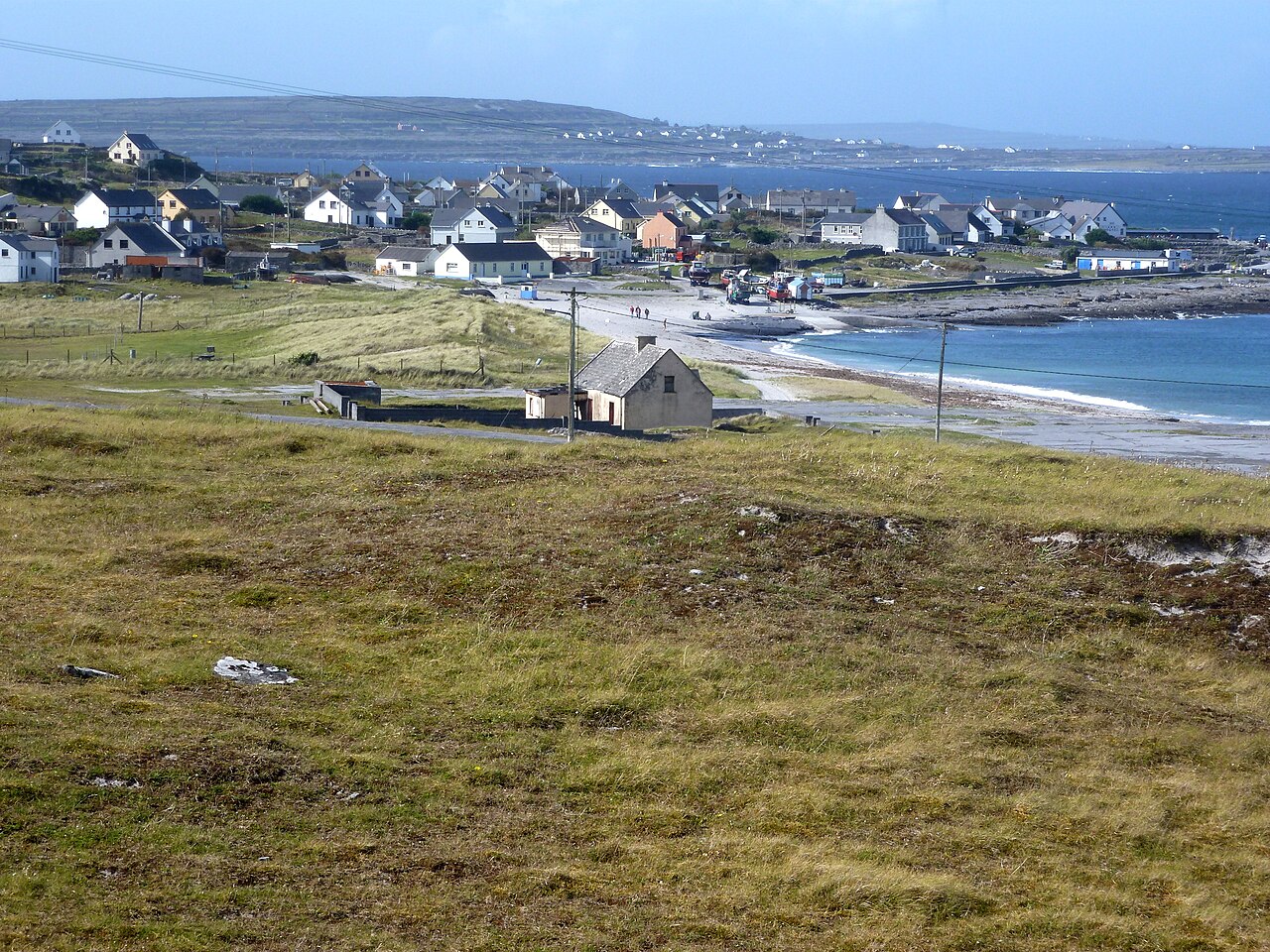
The smallest Aran island is the quietest. Walk to the wreck of the Plassey, a ship that came ashore in 1960, explore the ruined O’Brien’s Castle above the village and listen for Irish in the lanes. The whole island can be walked in a few hours.
Know before you go
- Getting there: the Doolin Ferry Co. says its high-speed boats reach Inis Oírr from Doolin in about 15 minutes. Aran Island Ferries take about 55 minutes from Rossaveel.
- Know: Doolin sailings to Inis Oírr are seasonal. Check the timetable before you travel.
Official information: Inis Oírr on Discover Ireland; Doolin Ferry; Aran Island Ferries.
9. Inishbofin, County Galway
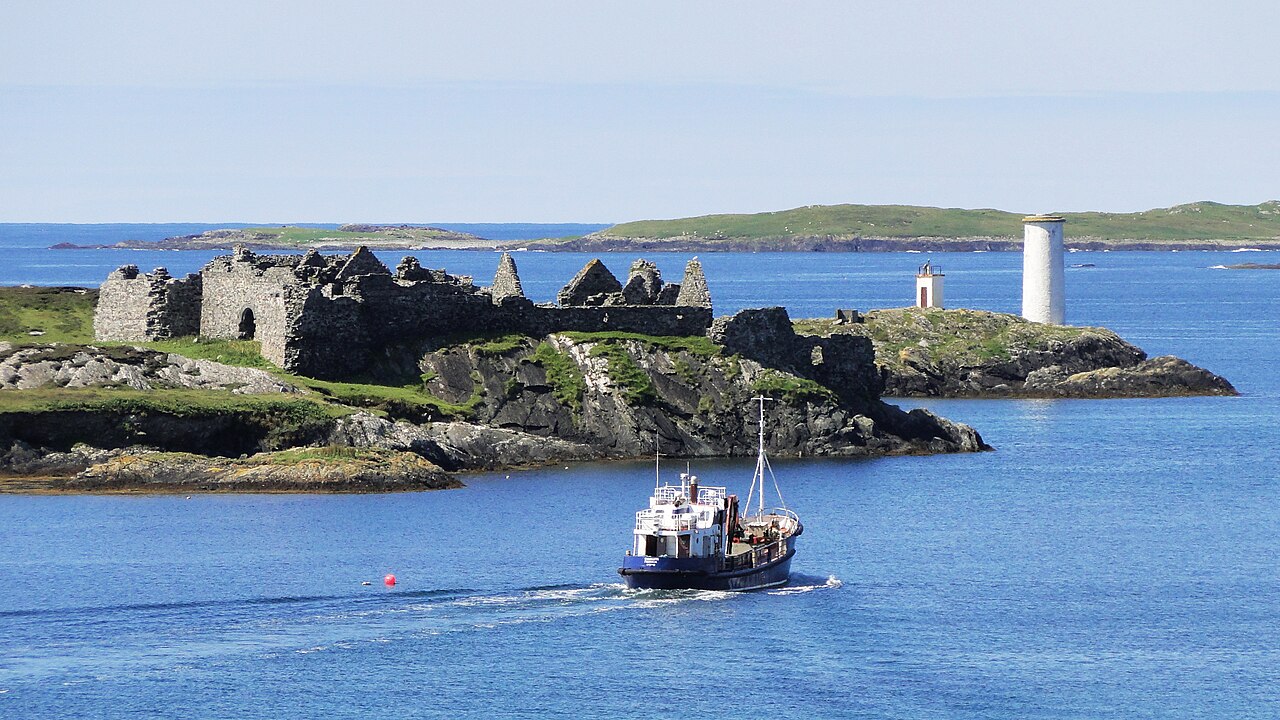
Inishbofin has white beaches, a ruined Cromwellian barracks beside its harbour, and a warm, lively pub scene. It is a good weekend away from Connemara, with plenty of walking on the island’s loop roads and clifftops. Official info: en.wikipedia.org/wiki/Inishbofin.
Know before you go
- Getting there: the ferry leaves from Cleggan and takes about 30 minutes. It sails two to three times a day depending on the season. Citylink runs a bus from Galway coach station to Cleggan Pier, timed to coordinate with several ferry departures.
- Know: arrive at the pier at least 30 minutes before departure in high season and about 15 minutes in winter.
Official information: Island Discovery ferry to Inishbofin.
10. Garnish Island (Ilnacullin), County Cork
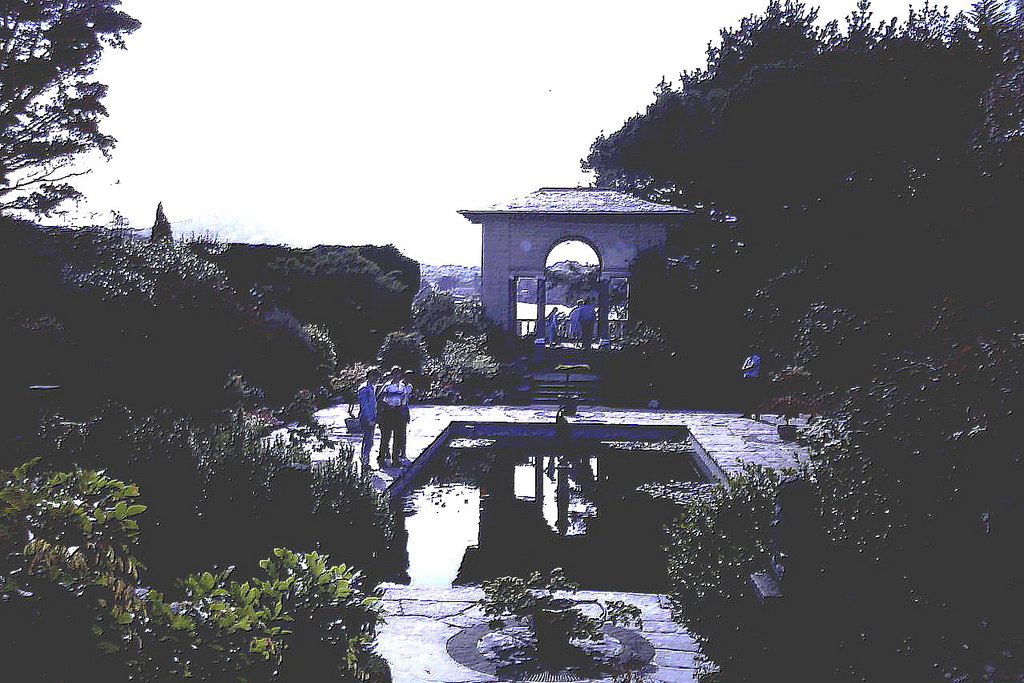
A small island in Bantry Bay, reached by a short boat ride from Glengarriff that often passes a seal colony. Its Italian-style garden was created in the early twentieth century by Annan Bryce, who owned the island, with the architect and garden designer Harold Peto. The garden is the reward, and the crossing is a pleasure in itself. Official info: en.wikipedia.org/wiki/Garnish_Island.
Know before you go
- Getting there: boats run from Glengarriff, taking roughly 10 to 15 minutes. Two operators, Harbour Queen Ferries and Blue Pool Ferries, serve the island.
- Cost: Heritage Ireland lists admission as adult €5, senior or group €4, child or student €3 and family €13. The boat fare is charged separately.
- Season: the garden is open in the warmer months, roughly mid-March to early November, and closed in winter. Check the opening times page and bring cash for the boat and café.
Official information: Ilnacullin on Heritage Ireland.
More from us: our guide to Garnish Island.
When to visit the islands
Most island ferries run best from April to September, and some services, including the Great Blasket and Skellig Michael landings, are seasonal. Year-round routes such as Cape Clear from Baltimore and Tory from Magheroarty can still be cancelled in rough weather, so build a spare day into your plans.
Staying safe and getting around
Check with the ferry operator on the morning you travel, wear layers and a waterproof jacket, and carry some cash, as card machines can be unreliable on the smallest islands. Stay on marked paths, keep well back from cliff edges and take your rubbish home. Many islands are Irish-speaking communities, so a few words of Irish such as dia dhuit and go raibh maith agat are always appreciated.
Which island is your favourite?
Tell us your favourite Irish island in the comments below. Want more contenders? Our longer round-up of islands worth visiting covers more, and the sea god Manannán mac Lir still rules Ireland’s coastline in legend.
Love Ireland? Join our free newsletter for stories like this every weekday.
☘️ Planning a trip to Ireland?
Our free 7-day road trip itinerary covers the Wild Atlantic Way from Dublin to the west — day-by-day driving guide with hidden gems, practical tips, and local secrets.
☘️ Enjoying this? 64,000+ Ireland lovers get stories like this every week. Subscribe free →
☘️ Join 64,000+ Ireland Lovers
Every weekday morning, get Ireland’s hidden gems, local secrets, and travel inspiration — the kind you won’t find in any guidebook.
Subscribe free — enter your email:
Already subscribed? Download your free Ireland guide (PDF)
📲 Know someone who’d love this? Share on WhatsApp →
Free forever · Unsubscribe anytime
Tours & experiences you might love


Powered by Viator. Some links are affiliate links — we may earn a small commission at no extra cost to you.
Secure Your Dream Irish Experience Before It’s Gone!
Planning a trip to Ireland? Don’t let sold-out tours or packed attractions spoil your journey. Iconic experiences like visiting the Cliffs of Moher, exploring the Rock of Cashel, or enjoying a guided walk through Ireland’s ancient past often sell out quickly—especially during peak travel seasons.

Booking in advance guarantees your place and ensures you can fully immerse yourself in the rich culture and breathtaking scenery without stress or disappointment. You’ll also free up time to explore Ireland’s hidden gems and savour those authentic moments that make your trip truly special.
Make the most of your journey—start planning today and secure those must-do experiences before they’re gone!