

The best counties to retire in Ireland for Americans are Galway, Kerry, Clare, Kilkenny, and Wicklow — each offering a strong combination of scenery, community, cost of living, and access to airports. Ireland steadily ranks among the top retirement destinations for American expats: English is spoken everywhere, the legal system is familiar, and a shared heritage runs deep. Around 44 million Americans claim Irish descent, and for many, retiring to Ireland feels less like emigrating and more like coming home.
Here is a county-by-county breakdown of where to retire in Ireland, with practical figures on property prices, living costs, healthcare, and what daily life actually looks like.
Watch: Do You Qualify for an Irish Passport?
If one of your grandparents was born in Ireland, you may be able to become an Irish citizen. This 14-minute guide explains who qualifies, what it costs and how long it takes. Thinking of making the move? Get the free Moving to Ireland checklist.
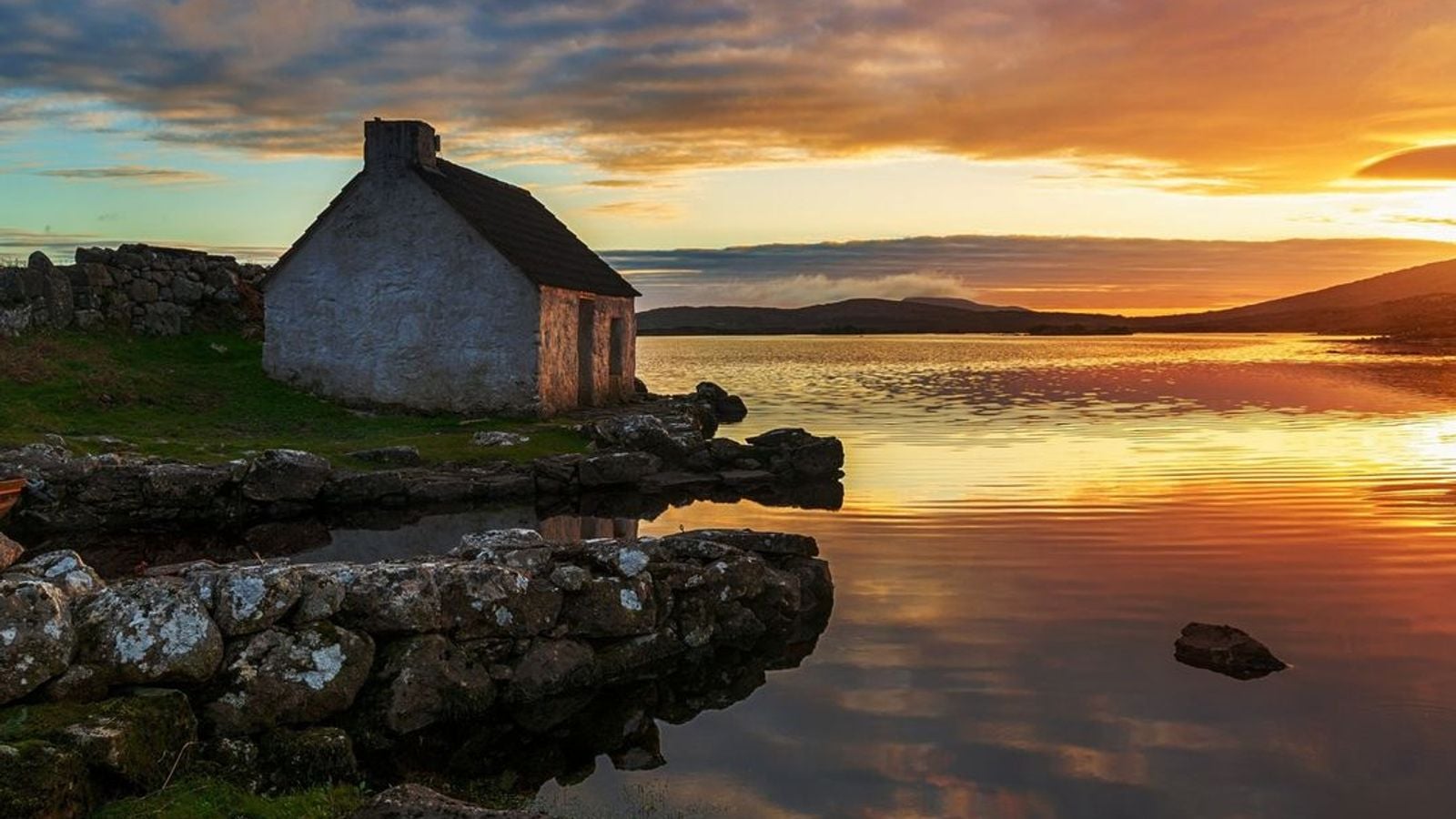
Why Americans Choose Ireland for Retirement
Ireland offers something most European retirement destinations do not: a fully English-speaking country with deep cultural ties to the United States. You will not spend your first year struggling to communicate with your doctor, your bank, or your new neighbours.
The cost of living outside Dublin runs about 25–35% lower than comparable quality of life in cities such as San Francisco, Boston, or New York. A comfortable two-bedroom home outside a major city costs between €180,000 and €320,000. Monthly living costs for a couple — groceries, utilities, dining out, transport — usually run to €2,200–€2,800 in rural areas, and €3,000–€3,800 in larger towns.
Ireland operates a public healthcare system (the HSE) alongside private health insurance. American retirees generally take out private health insurance, with comprehensive cover costing about €1,200–€2,500 per year per person. Private cover means access to faster appointments, specialist consultants, and private hospital rooms.
For a detailed breakdown of the retirement visa process, healthcare options, banking, and tax for Americans, our full Retire in Ireland guide covers every practical step from application to arrival.
What to Consider Before Choosing a County
Ireland is a small country — you can drive from Dublin to Cork in under three hours — but the differences between counties are significant. Before committing to a region, consider these factors:
- Airport access: Ireland has two main international airports — Dublin (east coast) and Shannon (west coast). Both serve direct flights to the USA. Some western counties are a 3–4 hour drive from either.
- Healthcare facilities: Larger towns have hospitals and specialist clinics. Remote rural areas require driving to regional centres for anything beyond a GP visit.
- Community: Irish towns run on pub culture, local events, and the GAA. Smaller towns often have the strongest sense of community. Neighbours introduce themselves.
- Property prices: These vary dramatically. Coastal Kerry commands a premium. Inland midland counties offer the same green countryside at significantly lower cost.
- Gaeltacht areas: Parts of Galway, Mayo, and Donegal have strong Irish-speaking communities, which adds a rich cultural dimension for diaspora returnees.
The West Coast: Wild, Dramatic, and Deeply Irish
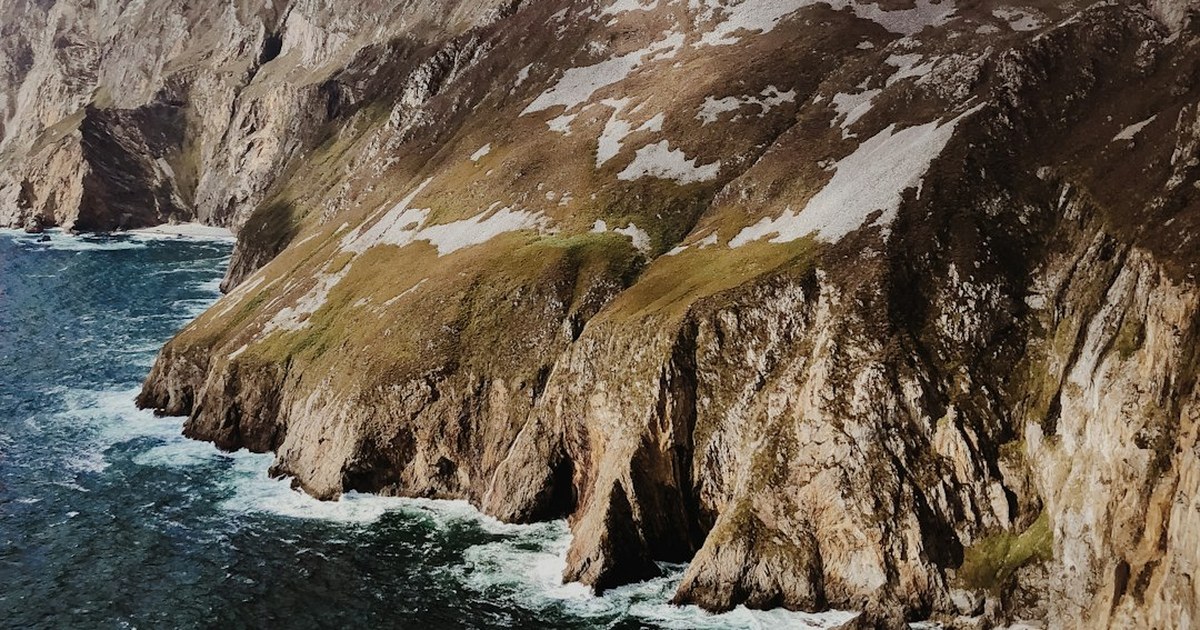
County Galway
Galway is the most culturally vibrant county on the west coast. Galway city has a university hospital, a superb arts and traditional music scene, and Shannon Airport is 90 minutes south by road — with direct transatlantic routes. Connemara, west of the city, offers mountains, Atlantic coastline, and landscapes unchanged for centuries.
Average house prices in Connemara run from €150,000 for a rural cottage to €350,000 for a lakeside property with a view. Galway city itself averages €280,000–€420,000 for a three-bedroom home. The city suits retirees who want culture and coastline; Connemara suits those who want solitude and space.
County Clare
County Clare sits directly beside Shannon Airport — the most direct transatlantic gateway into Ireland. Shannon flight times run 7–8 hours from New York and just over 6 hours from Boston. For American retirees who plan regular visits home, Clare’s airport proximity is a major practical advantage.
The county has dramatic coastal scenery at the Cliffs of Moher, the unique limestone landscape of The Burren, and the lively market town of Ennis. Ennis is home to about 25,000 people, with a full range of services and a regional hospital. Three-bedroom homes in Ennis sell for €240,000–€360,000; rural properties across the county start from €140,000.
County Mayo
Mayo has the lowest property prices of any western county, with three-bedroom homes starting at €120,000 in smaller towns and averaging €180,000–€260,000 across the county. The coastline is exceptional — Achill Island and Killary Harbour are among the most striking stretches in the whole of Ireland.
Westport is the standout town — steadily voted one of Ireland’s friendliest, with good restaurants, an arts scene, and a lively community. Ireland West Airport at Knock, 30 minutes from Westport, connects to Dublin and several other destinations. Mayo suits retirees who prioritise dramatic scenery and value for money above all else.
☘️ Enjoying this? 64,000+ Ireland lovers get stories like this every week. Subscribe free →
The Southwest: Kerry and Cork
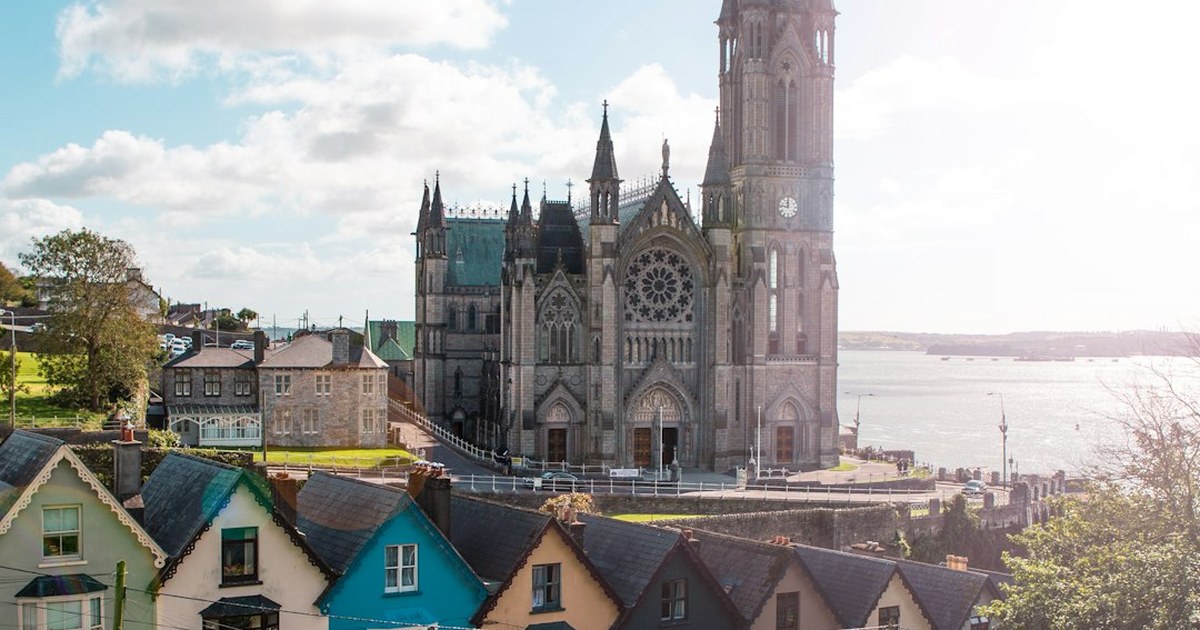
County Kerry
Kerry is Ireland’s most famous county — the Ring of Kerry, Killarney National Park, and the Dingle Peninsula draw visitors from around the world. For retirees, the county offers great infrastructure built on decades of international tourism. That includes hospitals in Tralee and Killarney, good road connections, and Kerry Airport at Farranfore with regular Dublin services.
Killarney town has every service a retiree needs, plus world-class golf and the 25,000-acre National Park directly accessible on foot. Property prices in Kerry are higher than in Mayo or Clare — three-bedroom homes in Killarney range from €280,000 to €480,000. Kerry suits retirees who want famous landscapes and an established international community. Plan your visit: County Kerry on Discover Ireland.
County Cork
Cork is Ireland’s second city and its county is vast. Cork city has theatre, restaurants, an internationally acclaimed food market, and Cork University Hospital — one of Ireland’s largest teaching hospitals. The city suits retirees who want full urban amenities without Dublin property prices.
West Cork — the stretch from Kinsale to Bantry — has attracted international retirees for decades. Towns such as Skibbereen, Clonakilty, and Schull have well-established communities of British and American expats. Property in West Cork starts at €180,000 for a rural cottage and reaches €600,000 for coastal homes with Atlantic views. Cork is also home to Cobh — the port from which six million Irish emigrants departed over the 19th and 20th centuries. For diaspora Americans, a connection to Cork is often a connection to their own family story.
The Southeast: Medieval Towns and Affordable Living

County Kilkenny
Kilkenny is steadily rated Ireland’s most liveable city outside Dublin. The medieval city centre, built around Kilkenny Castle (which dates from 1195), has strong arts institutions, great schools, a university campus, and St Luke’s General Hospital. Property prices are moderate by Irish standards — three-bedroom homes in the city run €240,000–€380,000.
Kilkenny is 90 minutes from Dublin Airport by road. The surrounding countryside is rolling farmland scattered with ancient abbeys, Norman tower houses, and quiet river valleys. It is an ideal base for day trips throughout Leinster.
County Waterford
Waterford is Ireland’s oldest city, founded by Viking settlers in 914 AD. The county has grown in popularity with international retirees, attracted by affordable property, a full range of services, and University Hospital Waterford serving the entire southeast. Three-bedroom homes in Waterford city sell for €200,000–€320,000 — among the most affordable on the east coast.
County Wicklow
Wicklow — the Garden of Ireland — sits directly on Dublin’s doorstep. Coastal towns such as Greystones and Bray are 30 minutes from Dublin city by train. Dublin Airport is 40–50 minutes from the Wicklow coast, making this county the top choice for American retirees who need regular transatlantic flights.
The Wicklow Mountains, the 6th-century monastic settlement at Glendalough, and a string of well-maintained harbour towns make this one of Ireland’s most beautiful counties. The convenience carries a cost — three-bedroom homes near the coast sell for €380,000–€600,000. Inland Wicklow is more accessible at €240,000–€340,000.
The North and Northwest: Solitude and Space
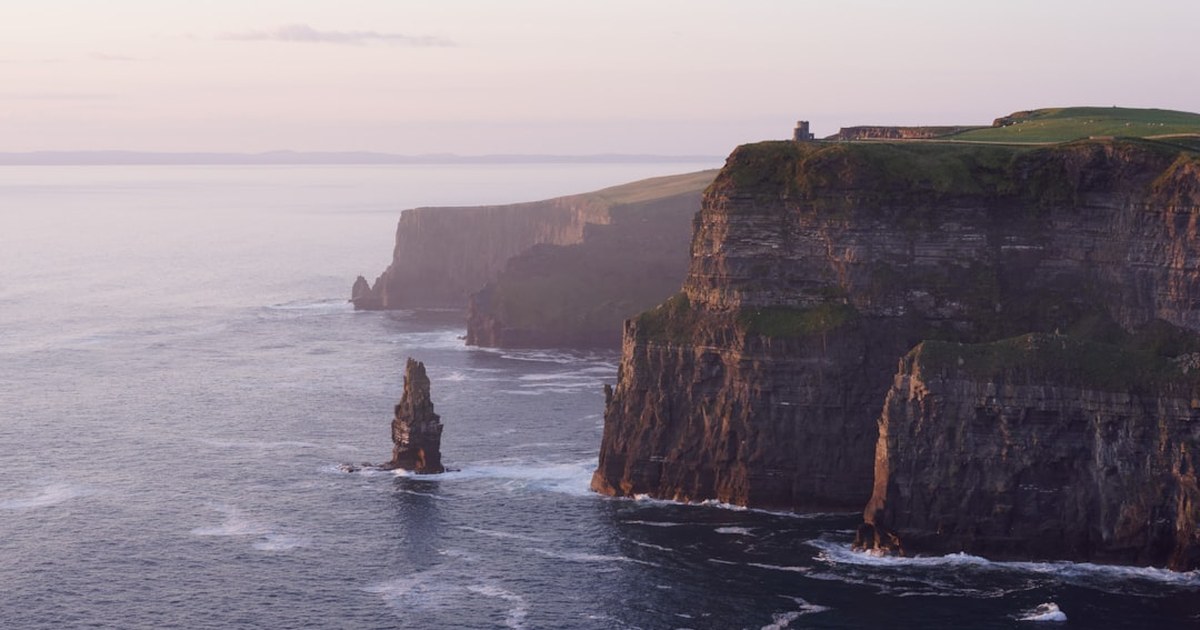
County Donegal
Donegal is Ireland’s most remote and arguably most beautiful county. Sliabh Liag — among the highest sea cliffs in Europe at 601 metres — sits in a county with some of the most affordable property in Ireland. Three-bedroom homes start from €100,000 in smaller towns; rural cottages with land sell from €75,000.
The trade-off is distance. Donegal is 3–4 hours from Dublin by road, and the nearest international airports are Knock (County Mayo) or Derry City Airport in Northern Ireland. Donegal suits retirees who prioritise space, wild Atlantic coastline, and a quieter pace of life above all else.
County Sligo
Sligo, the home county of W.B. Yeats, combines dramatic mountain scenery — Knocknarea, Benbulben — with a vibrant arts scene and one of Ireland’s best Atlantic surf coasts. Sligo town has strong hospital facilities, a university, and great restaurants. Property is affordable: three-bedroom homes start from €160,000.
How to Plan Your Retirement in Ireland: The Practical Steps
Americans are non-visa-required, so they do not apply for a Long Stay ‘D’ visa. The retirement route is Stamp 0, the “person of independent means” permission: you submit the TPER application form to the Stamp 0 (Independent Means) Section, enter Ireland visa-free on a landing stamp of up to 90 days, and then register for Stamp 0. The main requirement is proving you can support yourself without working or accessing public funds. This means showing an income of at least €50,000 per year per individual, holding private medical insurance with full private-hospital cover, and having access to a lump sum equivalent to the price of a residential dwelling. After five years of legal residency, many Americans apply for Irish citizenship, particularly those with Irish-born grandparents who may already qualify through Irish citizenship by descent.
Settling in involves a few practical steps. These include opening an Irish bank account, arranging private health insurance, registering with a local GP, and establishing residency. All are covered in detail in our guide to your first 90 days in Ireland.
For everything else — from the visa application to healthcare, from property conveyancing to the honest costs of living on a fixed income — our full Retire in Ireland guide sets out every step in plain English.
Frequently Asked Questions
What is the best county to retire in Ireland for Americans?
The best county depends on your priorities. County Clare offers the shortest transatlantic flight connections via Shannon Airport and affordable property. Kerry delivers famous scenery with good infrastructure. County Wicklow gives Dublin Airport access and a strong expatriate community. For the lowest property prices, County Mayo and County Donegal offer great value.
How much money do you need to retire in Ireland as an American?
Americans are non-visa-required and retire to Ireland on the Stamp 0 (person of independent means) permission, not a Long Stay ‘D’ visa. You must show an income of about €50,000 per year per individual, hold private medical insurance with full private-hospital cover, and have access to a lump sum equal to the price of a residential dwelling. Monthly living costs for a couple outside Dublin usually run €2,200–€2,800, depending on lifestyle and location. Private health insurance adds about €1,200–€2,500 per year per person.
Can Americans get healthcare in Ireland when they retire there?
Yes. American retirees in Ireland usually use private health insurance, which gives access to private hospitals and faster consultant appointments. Comprehensive private cover costs about €1,200–€2,500 per year per person. Ireland’s public healthcare system (the HSE) is also available, though wait times for non-emergency specialist care can be lengthy without private insurance.
Is it easy for Americans to make friends and settle into Irish life?
Ireland is one of the most welcoming countries in the world for American expats, and particularly for those with Irish heritage. Irish towns are community-orientated — the local pub, GAA club, and parish events give immediate routes into local social life. Smaller towns tend to integrate newcomers faster than larger cities. Most Americans who retire to Ireland report feeling at home within 6–12 months.
☘️ Join 64,000+ Ireland Lovers
Every weekday morning, get Ireland’s hidden gems, local secrets, and travel inspiration — the kind you won’t find in any guidebook.
Subscribe free — enter your email:
📲 Know someone who’d love this? Share on WhatsApp →
Free forever · Unsubscribe anytime
Tours & experiences you might love


Powered by Viator. Some links are affiliate links — we may earn a small commission at no extra cost to you.
Secure Your Dream Irish Experience Before It’s Gone!
Planning a trip to Ireland? Don’t let sold-out tours or packed attractions spoil your journey. Iconic experiences like visiting the Cliffs of Moher, exploring the Rock of Cashel, or enjoying a guided walk through Ireland’s ancient past often sell out quickly—especially during peak travel seasons.

Booking in advance guarantees your place and ensures you can fully immerse yourself in the rich culture and breathtaking scenery without stress or disappointment. You’ll also free up time to explore Ireland’s hidden gems and savour those authentic moments that make your trip truly special.
Make the most of your journey—start planning today and secure those must-do experiences before they’re gone!
Subscribe Free