

Best Things to Do in County Louth, Ireland: The Complete Guide
County Louth is Ireland’s smallest county, but it holds more history, medieval architecture, and wild coastal scenery than most counties three times its size. Carlingford — a perfectly preserved medieval walled town on the shores of a sea lough — is one of the finest small towns in Ireland. Drogheda, the county’s largest town, witnessed some of the most violent moments in Irish history. And along the coast, the Cooley Peninsula offers sea views and mountain walks that barely appear in any guidebook. If you are planning a trip to eastern Ireland, County Louth deserves a proper look.
This guide covers the best things to see and do in County Louth, from Drogheda’s ancient walls to the walking trails of the Cooley Mountains. It includes practical advice on getting there, how long to stay, and what to expect in each part of the county.
Carlingford: The Medieval Town on the Lough
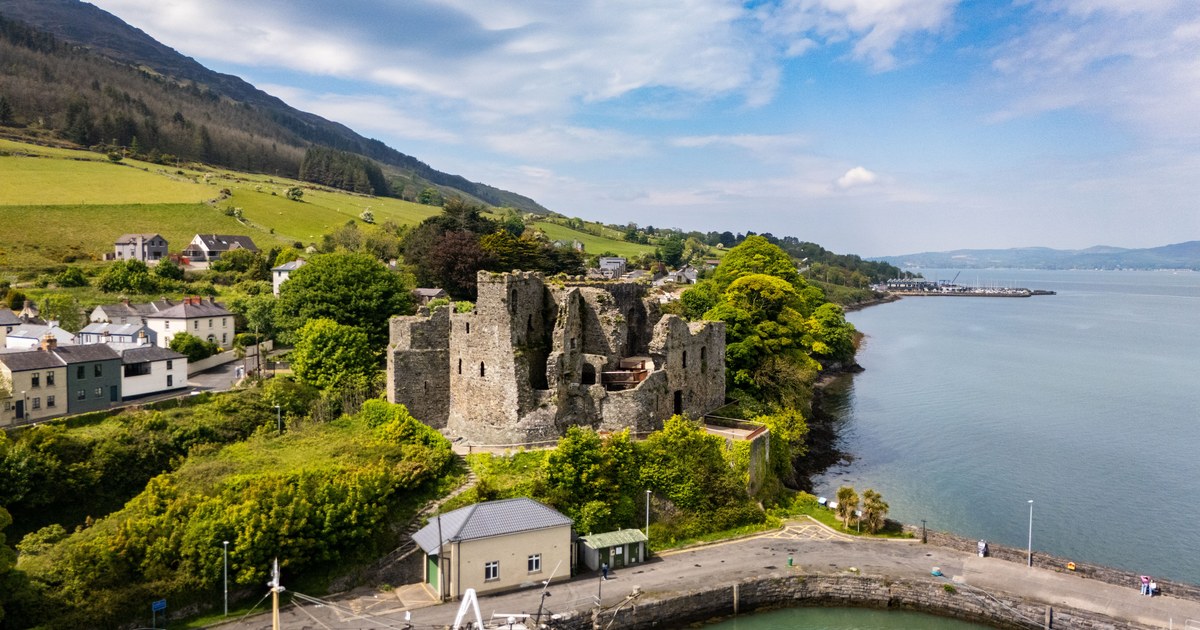
Carlingford is the undisputed highlight of County Louth for most visitors. The town sits on the southern shore of Carlingford Lough, with the Mourne Mountains rising dramatically on the Northern Irish side of the water. This is one of those Irish towns where the medieval fabric is still largely intact — narrow lanes, old stone walls, a working harbour, and the remains of a Norman castle all within a few minutes’ walk. Official info: en.wikipedia.org/wiki/Carlingford.
King John’s Castle
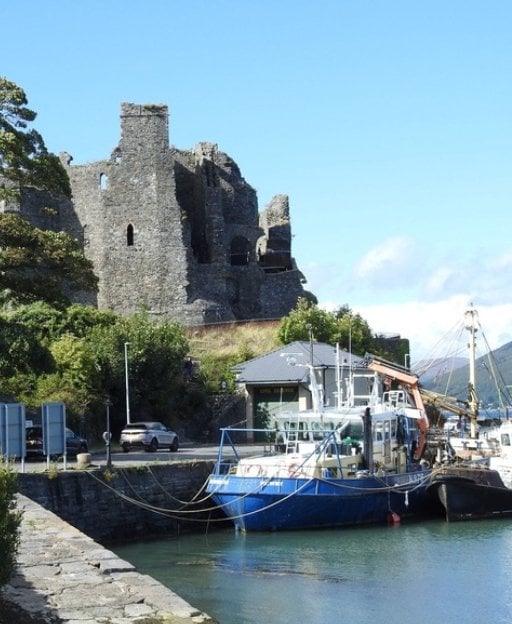
King John’s Castle dominates the northern end of Carlingford. Built by the Normans in the 13th century, it sits on a rocky promontory above the harbour and once controlled all sea traffic entering the lough. The castle fell into ruin over the following centuries but its shell remains largely intact. You can walk right up to the walls — entry is free. From the harbour in front of the castle, the view across the lough toward the Mourne Mountains is one of the finest in the region. Plan your visit: King John’s Castle, Carlingford on Ireland.com.
The Town Walls and Medieval Quarter
Carlingford received its town charter in 1326, and several sections of the original town walls still stand. The Mint, a 15th-century fortified house in the town centre, is another survival from the medieval period. The town has a number of good restaurants, pubs, and cafés concentrated within the old streets — it is a comfortable place to spend a night, and popular as a weekend destination from Dublin, which is just over 100 kilometres to the south. Plan your visit: Carlingford on Discover Ireland.
Water Sports and the Lough
Carlingford Lough is sheltered enough to support sailing, kayaking, and stand-up paddleboarding throughout the summer months. Several operators in the town offer equipment hire and guided sessions. The lough also has an oyster farming tradition that goes back centuries — restaurants across Ireland serve Carlingford oysters, and the town holds an annual oyster festival every August.
☘️ Planning a trip to Ireland?
Our free 7-day road trip itinerary covers the Wild Atlantic Way from Dublin to the west — day-by-day driving guide with hidden gems, practical tips, and local secrets.
Drogheda: History at Every Turn
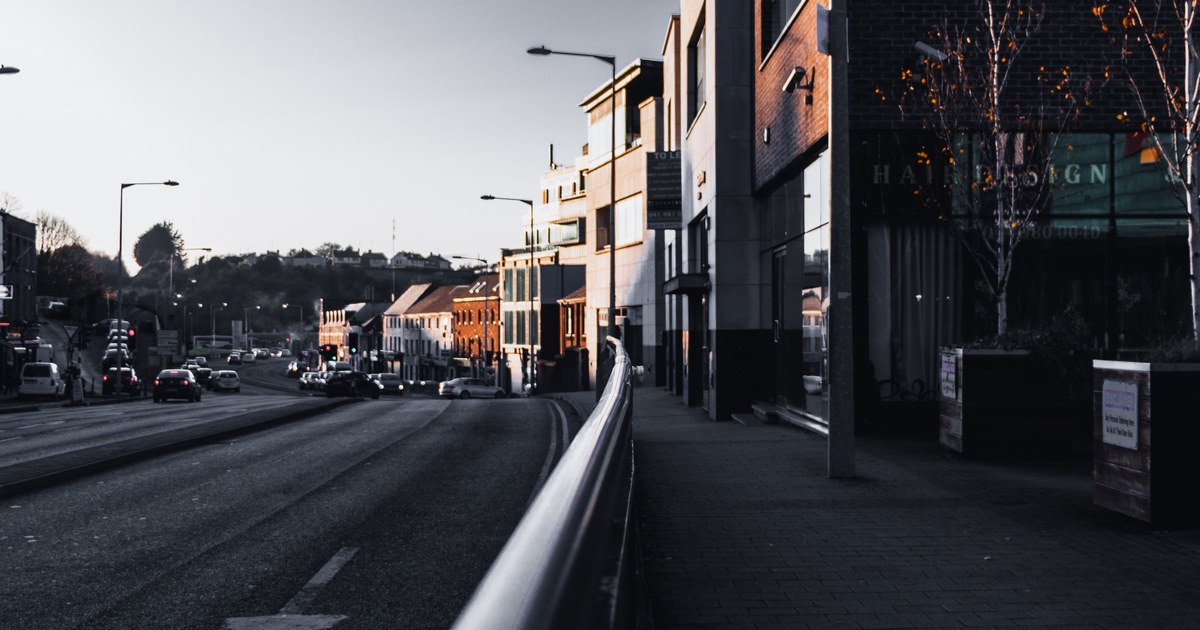
Drogheda is the largest town in County Louth, situated where the River Boyne meets the sea. The town has a long and at times violent history. The Normans occupied it as a major walled settlement, armies fought over it during the Irish Confederate Wars, and in 1649 Oliver Cromwell’s forces besieged it and massacred thousands of soldiers and civilians — one of the most notorious events in Irish history. Official info: en.wikipedia.org/wiki/Drogheda.
Millmount Fort and Museum
Millmount is a large mound on the south bank of the Boyne, topped by a Martello tower and a complex of 18th-century barracks buildings that now house a local history museum. The museum covers Drogheda’s history from its Norman founding through to the present day, with exhibits on the Cromwellian siege, the town’s industrial heritage, and its role in Irish trade. Admission costs €6 for adults (museum and tower, 2026 rates). The view from the top of the mound across the town and river is worth the climb on its own. Plan your visit: Millmount Museum on Discover Ireland.
St Peter’s Church and the Head of Oliver Plunkett
St Peter’s Roman Catholic Church on West Street holds one of the most unusual relics in Ireland — the preserved head of Oliver Plunkett, the Archbishop of Armagh who was executed in London in 1681 and later canonised as a saint. Plunkett holds the distinction of being the last Catholic martyr England executed. The relic draws thousands of visitors each year and sits in a golden case in the church’s north transept. Entry to the church is free. Plan your visit: St Peter’s Church, Drogheda on Discover Ireland.
St Lawrence’s Gate
St Lawrence’s Gate is the finest surviving section of Drogheda’s medieval town walls. Built in the 13th century, it consists of two D-shaped towers flanking a central passage — one of the best-preserved examples of a barbican gate in all of Ireland. The gate stands in the middle of a roundabout near the town centre, which creates a slightly surreal setting, but the structure itself is impressive. It dates from around 1200 and was part of a wall that once enclosed the entire medieval town. For more on the county’s history beyond Drogheda, see our guide to County Louth’s history and heritage.
☘️ Enjoying this? 64,000+ Ireland lovers get stories like this every week. Subscribe free →
The Cooley Peninsula: Walks, Myths, and Mountains
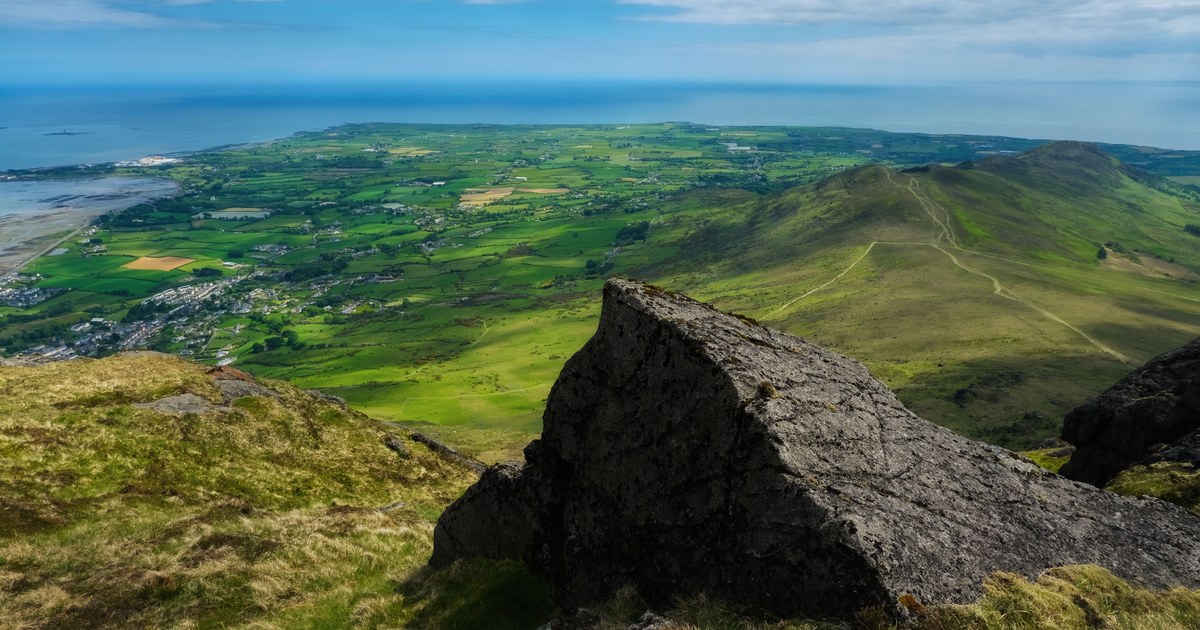
The Cooley Peninsula is the mountainous ridge that separates Carlingford Lough from Dundalk Bay. It is the setting of the Táin Bó Cúailnge — the ancient Irish epic about the cattle raid of Cooley, one of the great stories of Irish mythology. The landscape lives up to the mythology. The Cooley Mountains reach 589 metres at their highest point, and the walking trails across the ridge offer views over both the lough and the bay on either side.
The Táin Way is a marked walking route of 40 kilometres that circuits the peninsula, following ancient ridgelines and passing megalithic tombs, ring forts, and early Christian sites along the way. Most walkers complete it over two or three days, using Carlingford as a base. You can also walk shorter sections as half-day excursions from the town. Plan your visit: The Cooley Peninsula on Visit Louth.
Newgrange — A Short Day Trip from Louth
County Louth sits just north of County Meath, which puts Newgrange — the Neolithic passage tomb that predates Stonehenge by around 500 years — within easy reach. Newgrange sits approximately 40 kilometres south of Drogheda — under an hour by road. The Office of Public Works manages the site, which attracts around 250,000 visitors per year. Entry is via the Brú na Bóinne visitor centre, with shuttle buses running to the tomb. Adult entry for the combined visitor centre and Newgrange chamber tour costs €18 (2026 rates; tour options and prices vary through the year, so check heritageireland.ie before you go).
The tomb’s interior passage aligns precisely with the rising sun on the winter solstice — a feat of Neolithic engineering that still draws crowds each December. Even outside of the solstice, a visit to Newgrange is one of the most impressive historical experiences in Ireland. Adding it to a County Louth itinerary is straightforward, especially if you are based in Drogheda — for opening times, the solstice lottery, and booking details, see our full Newgrange visitor guide.
Practical Information for Visiting County Louth
County Louth is easily reached from Dublin, making it a natural choice for a weekend trip or a longer stay on the way north.
- Getting there from Dublin: Carlingford is around 100 kilometres north of Dublin city centre, roughly 90 minutes by road on the M1 motorway. Drogheda is 50 kilometres north of Dublin, with direct trains from Connolly Station taking around 40 minutes.
- Getting around: A car is useful for exploring the Cooley Peninsula. Carlingford town itself is small enough to walk, and Drogheda’s main attractions are all within the old town area.
- Best time to visit: The summer months from May to September offer the most reliable weather. The Carlingford Oyster Festival in August is worth visiting in its own right. The town is quietest on weekdays outside of school holidays.
- Where to stay: Carlingford has a range of accommodation from B&Bs to boutique hotels within the old town walls. Drogheda offers more options at lower price points, including chain hotels convenient for those using the town as a base for day trips.
- How long to spend: Two days allows a comfortable visit to Carlingford and Drogheda. Add a third day if you plan to walk the Cooley Mountains or visit Newgrange.
Frequently Asked Questions About County Louth
Is County Louth worth visiting?
Yes — County Louth is one of the most underrated destinations in eastern Ireland. It combines the medieval streets of Carlingford, Drogheda’s rich history, and the quiet mountain scenery of the Cooley Peninsula into a compact area that is easy to explore. The county is less visited than Kilkenny or Galway, which means shorter queues and a more relaxed experience.
How far is Carlingford from Dublin?
Carlingford is approximately 100 kilometres north of Dublin city centre. By road via the M1 motorway, the journey takes around 90 minutes in normal traffic. There is no direct train to Carlingford — the nearest train station is in Dundalk, around 20 kilometres from the town.
What is County Louth known for?
County Louth is known for several things: the medieval walled harbour town of Carlingford, the Battle of the Boyne battlefield near Drogheda, St Lawrence’s Gate (one of Ireland’s finest medieval barbicans), and the Cooley Peninsula — the legendary setting of the ancient Irish epic the Táin Bó Cúailnge. It is also Ireland’s smallest county by land area.
☘️ Join 64,000+ Ireland Lovers
Every weekday morning, get Ireland’s hidden gems, local secrets, and travel inspiration — the kind you won’t find in any guidebook.
Subscribe free — enter your email:
📲 Know someone who’d love this? Share on WhatsApp →
Free forever · Unsubscribe anytime
Tours & experiences you might love


Powered by Viator. Some links are affiliate links — we may earn a small commission at no extra cost to you.
Secure Your Dream Irish Experience Before It’s Gone!
Planning a trip to Ireland? Don’t let sold-out tours or packed attractions spoil your journey. Iconic experiences like visiting the Cliffs of Moher, exploring the Rock of Cashel, or enjoying a guided walk through Ireland’s ancient past often sell out quickly—especially during peak travel seasons.

Booking in advance guarantees your place and ensures you can fully immerse yourself in the rich culture and breathtaking scenery without stress or disappointment. You’ll also free up time to explore Ireland’s hidden gems and savour those authentic moments that make your trip truly special.
Make the most of your journey—start planning today and secure those must-do experiences before they’re gone!