

You have probably heard the name Finn McCool. It shows up in pubs, in place names, in folk songs that Irish emigrants carried across the Atlantic. But behind the anglicised nickname is one of the most complex and powerful figures in all of Irish mythology — Fionn Mac Cumhaill, leader of the Fianna and Ireland’s greatest legendary hero.
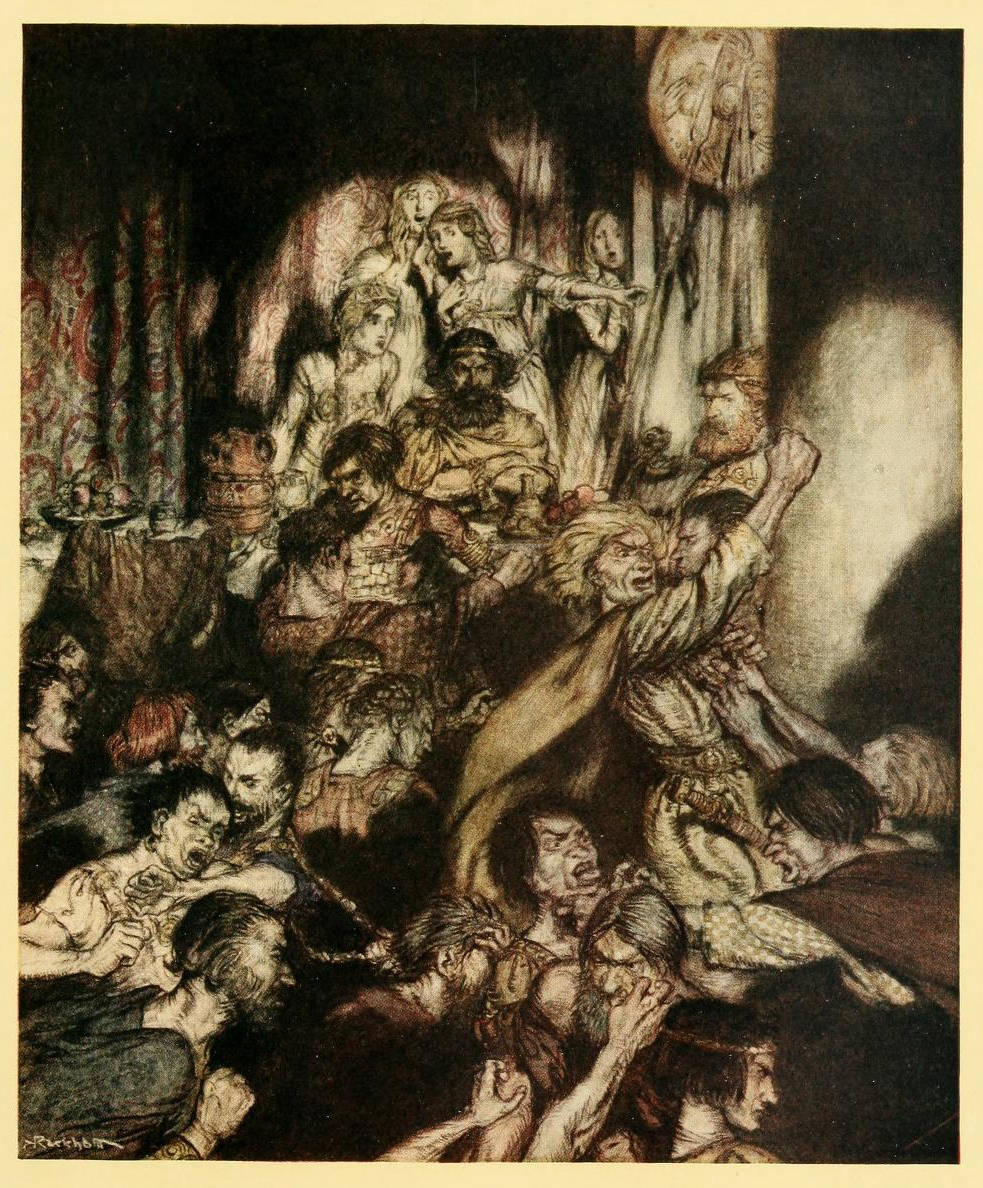
His story is part of the Fenian Cycle, the second great cycle of Irish mythology. It dates back to around the 3rd century AD in its earliest written forms. But the oral tradition is far older. Long before monks put quill to vellum, Irish storytellers passed these tales by firelight — in the same counties your ancestors came from.
Who Was Fionn Mac Cumhaill?
The name Mac Cumhaill means “son of Cumhall” in Gaelic. Fionn’s father, Cumhall, was leader of the Fianna before him. He died before Fionn was born, killed in battle by a rival clan. Fionn’s mother hid him in the forests of Sliabh Bloom — now the Slieve Bloom Mountains on the border of Laois and Offaly — where he was raised by two female druids who taught him hunting, warfare, and the natural world.
He grew up to lead the Fianna — an elite band of warriors who served the High Kings of Ireland. They were not ordinary soldiers. To join the Fianna, a candidate had to pass extraordinary tests. He had to memorise twelve books of poetry. He had to outrun warriors through a forest without breaking a stick underfoot. He had to defend himself against nine spear-throwers using only a shield and a hazel stick, and survive without a scratch.
The Fianna was the Irish answer to King Arthur’s Round Table — centuries before Arthur. In fact, some historians believe the Arthurian cycle borrowed from the older Fenian tradition.
The Salmon of Knowledge: How Fionn Got His Wisdom
The most famous story about Fionn has nothing to do with battles. It is the story of the Salmon of Knowledge — and it explains why he became the greatest hero in Ireland.
The legend goes like this. A salmon swimming in the River Boyne had eaten nine hazelnuts that fell from nine hazel trees surrounding a sacred pool. Whoever ate the salmon would gain all the knowledge in the world. The poet Finnéces had waited seven years on the riverbank to catch it.
When the young Fionn came to study under him, Finnéces finally caught the fish. He told Fionn to cook it but warned him not to eat any of it. While cooking, a blister formed on the salmon’s skin. Fionn pressed it down with his thumb to flatten it — and burned himself. He put his thumb in his mouth to ease the pain. In that instant, all the wisdom of the world passed into him.
From that day on, Fionn could access this knowledge any time he sucked his thumb. The Irish called this power imbas forosnai — the knowledge that illuminates. It made him not just a warrior but a seer, a judge, and a poet.
The River Boyne — where this story is set — flows through County Meath past Newgrange, the ancient passage tomb built 5,000 years ago. When you stand beside that river today, you are standing in the landscape of Fionn’s legend. That geography is still exactly as it was when the story was first told.
Fionn and the Giant’s Causeway
The most widely known Fionn story outside Ireland is the one about the Giant’s Causeway. The approximately 40,000 interlocking basalt columns on the Antrim coast — a UNESCO World Heritage Site since 1986 — are extraordinary. Science tells us volcanic eruptions formed them about 60 million years ago. But the Irish told a different story long before science arrived.
In the legend, a Scottish giant named Benandonner challenged Fionn to a fight. Fionn accepted and built a causeway across the sea to Scotland so they could face each other on equal ground. When Benandonner crossed and Fionn saw how enormous the Scottish giant was, Fionn’s wife Sadhbh had an idea. She wrapped Fionn in a blanket and told Benandonner this was their baby.
Benandonner looked at the size of the “baby” and thought: if the child is this big, what must the father be? He turned and ran back to Scotland. As he fled, he tore up the causeway behind him so Fionn could not follow. The stumps of that causeway — said to be what remains today — sit on both the Antrim coast and on Staffa Island in Scotland, where identical basalt columns stand.
This is the kind of story Irish grandmothers told their grandchildren on winter evenings in County Antrim farmhouses. And when those grandchildren emigrated to America, they brought the story with them. It crossed the Atlantic inside the same families whose names are recorded in the passenger lists at Cobh Heritage Centre.
☘️ Enjoying this? 64,000 Ireland lovers get stories like this every week. Subscribe free →
The Fianna Warriors: Ireland’s Band of Brothers
Fionn led the Fianna for decades. His most famous companions included his son Oisín — the warrior poet who later rode to Tír na nÓg — and his grandson Oscar, said to be the greatest fighter the Fianna ever produced.
The Fianna lived between two worlds. They were not farmers or craftsmen. They spent summer hunting and winter in the halls of kings. They were loyal to the High King but answered to their own code. The word “Fenian” comes directly from their name. It entered Irish history in the 19th century when the Irish Republican Brotherhood chose it as their name — a deliberate claim to the tradition of an elite group fighting for Ireland.
The Fianna’s moral code was strict. They did not rob the poor. They protected women. They did not flee before fewer than ten opponents. These rules shaped how ordinary Irish people understood honour for over a thousand years. When Irish emigrants left in the Famine years of 1845 to 1852 — over a million of them — they carried these values in their bones, even if they no longer knew the stories behind them.
Fionn’s Connection to Irish Identity Today
Fionn’s name appears across the Irish landscape. Finn Valley in Donegal. The River Finn. The town of Finglas in Dublin — from Fionn glas, the “clear stream.” Kildare’s Curragh, where the Fianna are said to have trained. Even the humble fionn (white or fair) appears in dozens of Irish place names.
Understanding Fionn helps you read the Irish landscape differently. When you walk the Antrim coast and see the Giant’s Causeway, you are not just looking at geology. You are looking at a landscape that has carried the same story for over a thousand years — told to children in farmhouses that no longer stand, in a language that many diaspora families no longer speak, but that still runs through their names and their blood.
Irish mythology and ancient Celtic symbolism are deeply woven into the same landscape. The Morrigan and the Tuatha Dé Danann are part of the same world Fionn inhabited — the divine and human interwoven in the Irish hills. Fionn is the most human of these figures. He makes mistakes. He loves. He grieves. He grows old and dies, as all mortals do.
If you want to trace your own connection to this tradition, the best starting point is knowing what your Irish surname reveals about where your family came from. Your ancestors lived in the same counties where Fionn’s legend was first told.
Visiting the Landscapes of Fionn Mac Cumhaill
If you want to stand where the legend lives, here are the key sites:
- Giant’s Causeway, County Antrim — Walk the basalt columns and read the legend on site. The National Trust visitor centre tells both the geological and mythological stories. Open year-round.
- Slieve Bloom Mountains, Counties Laois and Offaly — The forest where Fionn spent his childhood in hiding. The modern Slieve Bloom Way walking trail passes through it.
- Brú na Bóinne (Newgrange), County Meath — On the banks of the River Boyne where the Salmon of Knowledge swam. The passage tomb is 5,000 years old — older than Stonehenge and the pyramids of Egypt.
- The Hill of Tara, County Meath — Where the High Kings held court and the Fianna served. A flat-topped hill with extraordinary views and one of the most sacred sites in Irish tradition.
- The Curragh, County Kildare — The vast open plain where the Fianna trained. Today it is home to the Irish racing industry — but the flat grassland looks much as it did 1,700 years ago.
For detailed advice on tracing your own Irish heritage during a visit, our guide on searching for Irish roots using free online records is the best place to start.
Frequently Asked Questions
Who was Fionn Mac Cumhaill in Irish mythology?
Fionn Mac Cumhaill (also spelled Finn Mac Cool or Finn McCool) was the legendary leader of the Fianna — an elite band of warriors who served the High Kings of pre-Christian Ireland. His story belongs to the Fenian Cycle, the second great cycle of Irish mythology, dating to around the 3rd century AD in its earliest written form. He gained his extraordinary wisdom by accidentally tasting the Salmon of Knowledge while training under the poet Finnéces on the River Boyne.
Did Fionn Mac Cumhaill really build the Giant’s Causeway?
According to Irish legend, yes. The story says Fionn built the causeway to face a Scottish giant named Benandonner. The approximately 40,000 basalt columns on the Antrim coast are, scientifically, the result of volcanic activity about 60 million years ago. But the same geological formation appears on Staffa Island in Scotland, which the legend explains as the remains of the causeway Benandonner destroyed as he fled. The Giant’s Causeway has been a UNESCO World Heritage Site since 1986.
What does Fionn Mac Cumhaill mean in Irish?
The name breaks into two parts. “Fionn” means “fair” or “bright” in the Gaelic language — referring to his fair hair. “Mac Cumhaill” means “son of Cumhall.” His father Cumhall was the previous leader of the Fianna, who died in battle before Fionn was born. The name appears throughout Irish place names: Finglas in Dublin comes from “Fionn glas” (clear stream), and Finn Valley in Donegal carries his name.
Where can I visit places connected to Fionn Mac Cumhaill in Ireland?
The Giant’s Causeway in County Antrim is the most famous site. The River Boyne in County Meath (near Newgrange) is where the Salmon of Knowledge story is set. The Slieve Bloom Mountains on the Laois-Offaly border are where Fionn spent his childhood in hiding. The Hill of Tara in Meath and the Curragh in Kildare are also deeply connected to the Fianna. All of these sites are open to visitors and have their own heritage centres and walking trails.
☘️ Join 64,000+ Ireland Lovers
Every Friday, get Ireland’s hidden gems, local secrets, and travel inspiration — the kind you won’t find in any guidebook.
Subscribe free — enter your email:
📲 Know someone who’d love this? Share on WhatsApp →
Free forever · One email per week · Unsubscribe anytime
Tours & experiences you might love


Powered by Viator. Some links are affiliate links — we may earn a small commission at no extra cost to you.
Secure Your Dream Irish Experience Before It’s Gone!
Planning a trip to Ireland? Don’t let sold-out tours or packed attractions spoil your journey. Iconic experiences like visiting the Cliffs of Moher, exploring the Rock of Cashel, or enjoying a guided walk through Ireland’s ancient past often sell out quickly—especially during peak travel seasons.

Booking in advance guarantees your place and ensures you can fully immerse yourself in the rich culture and breathtaking scenery without stress or disappointment. You’ll also free up time to explore Ireland’s hidden gems and savour those authentic moments that make your trip truly special.
Make the most of your journey—start planning today and secure those must-do experiences before they’re gone!