

Classiebawn Castle sits at the edge of Mullaghmore, Co. Sligo — a real, visitable place, and the site of one of the defining events of the Troubles. This episode covers it factually and respectfully.
Watch the full episode, then read on below for the complete story and practical visiting details.
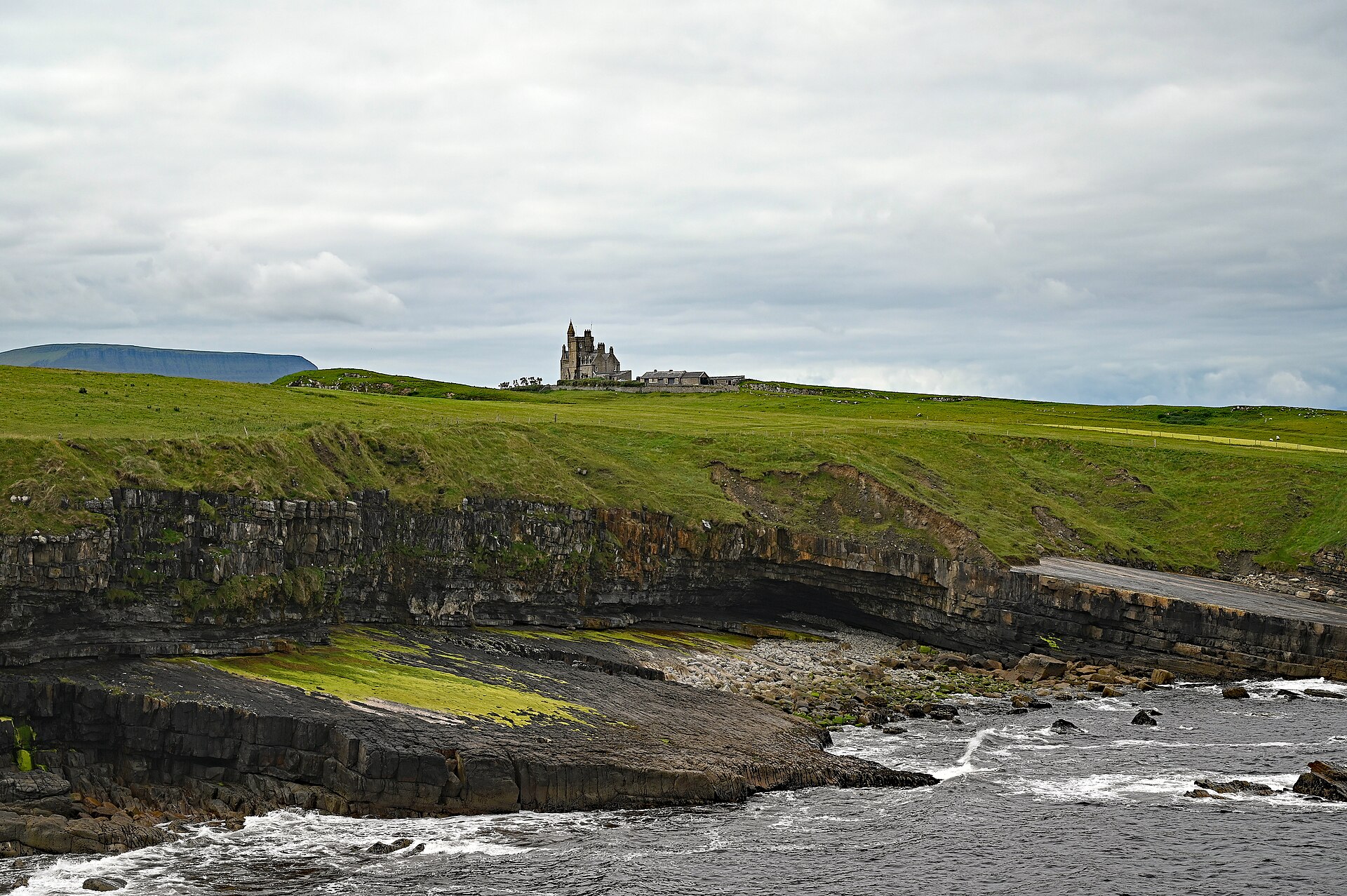
On August 27th, 1979, a bomb exploded on a fishing boat just offshore from this castle. Lord Louis Mountbatten — cousin to the Queen, mentor to Prince Charles, the last Viceroy of India — was killed instantly. So were his grandson Nicholas, a local teenager, and the Dowager Baroness Brabourne. This is Classiebawn Castle. And for over four decades, it’s stood here on Mullaghmore Head in County Sligo, simultaneously one of Ireland’s most beautiful landmarks and a reminder of the country’s most painful chapter. Today, we’re exploring what brought the Mountbattens here, what happened that morning, and why this stretch of Sligo coastline remains one of the most hauntingly beautiful places you can visit in Ireland.
Classiebawn wasn’t built for the Mountbattens. The castle was commissioned by Lord Palmerston — yes, that Palmerston, the British Prime Minister — but he died in 1865 before it was built. His stepson and successor, William Cowper-Temple, carried out his plans, and Classiebawn was completed in 1874. What rose on this headland was a Victorian Gothic masterpiece: grey limestone walls, a tower with commanding views of the Atlantic, and grounds that sweep down to the sea with Ben Bulben looming to the southeast.
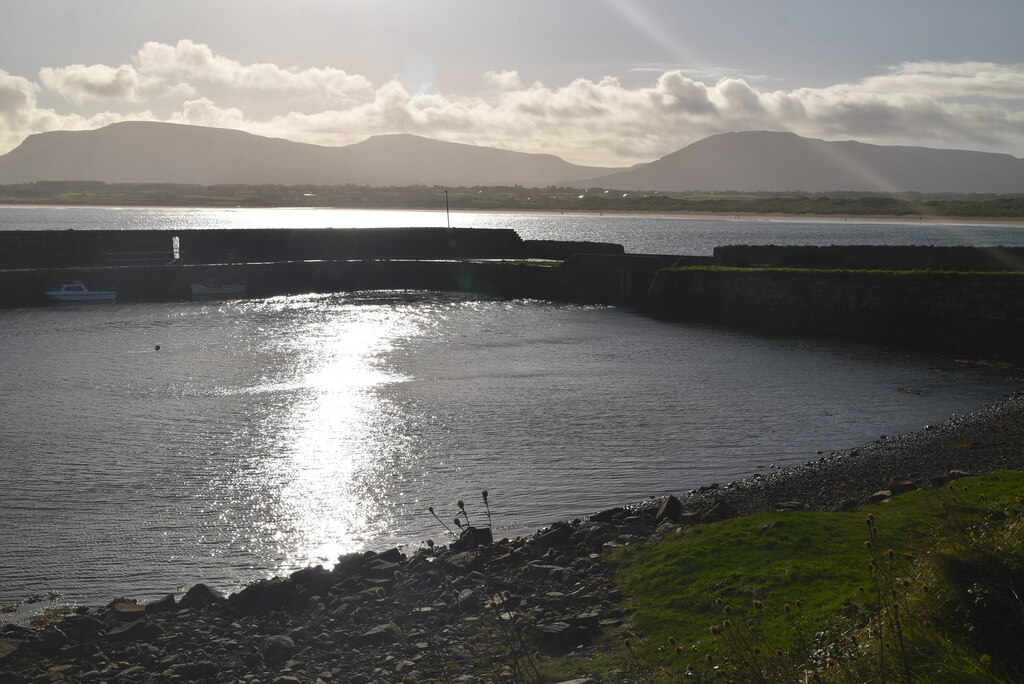
The Mountbatten connection came through marriage. Edwina Ashley, Lord Mountbatten’s wife, inherited the estate in 1939 from her father, Wilfrid Ashley, 1st Baron Mount Temple. Suddenly the Mountbattens owned this remote Irish castle — and Louis fell in love with the place immediately.
For decades, despite The Troubles raging across the border in Northern Ireland, Mountbatten returned every August. The fishing was exceptional. The village of Mullaghmore — barely two hundred people — treated him as a neighbour, not a target. The IRA had actually surveilled him for years, but locals assumed he was untouchable. The castle became his sanctuary.
The morning of August 27th, 1979, began like any other August morning at Classiebawn. Mountbatten, then seventy-nine years old, took his boat Shadow V out from Mullaghmore harbour with six family members and a local teenager named Paul Maxwell, who’d been working as a boat boy that summer.
The IRA had planted a fifty-pound bomb aboard the vessel the night before. At half past eleven, just a few hundred metres offshore — in full view of the castle — they detonated it by remote control from the cliffs.
Mountbatten died instantly. So did Paul Maxwell, age fifteen. So did Nicholas Knatchbull, Mountbatten’s fourteen-year-old grandson. The Dowager Baroness Brabourne, eighty-three, died the next day. Others survived with terrible injuries.
The same day, the IRA killed eighteen British soldiers in an ambush at Warrenpoint in County Down. It was the deadliest day for the British Army in the entire Troubles. Anglo-Irish relations hit their lowest point in decades.
What strikes you standing at Mullaghmore today is how small it all is. The harbour fits maybe twenty boats. The castle looms above. And the spot where Shadow V exploded is close enough that people onshore heard their screams.
Classiebawn remains privately owned today. You cannot enter the grounds or tour the castle. But you can see it — and this coastline rewards the effort. For the full practical details on viewing the castle up close, see our guide to what to know before you visit Classiebawn Castle.
Start in Mullaghmore village itself. It’s tiny, but the harbour is small and worth a slow walk and there’s a memorial stone to those killed in the bombing. From the pier, you can look up at Classiebawn exactly as Mountbatten would have seen it from his boat.
The Mullaghmore Head loop walk takes you around the headland — about five kilometres, easy terrain, with the castle visible for much of it. The cliffs here are extraordinary, and on clear days you can see Donegal’s Blue Stack Mountains to the north.
Drive the coast road south toward Streedagh Beach and you’ll pass the famous wreck site of three Spanish Armada ships — over a thousand men drowned here in 1588. The beach itself stretches for three kilometres, often deserted.
This is Yeats Country. The poet’s grave is twenty minutes away in Drumcliff churchyard, under Ben Bulben — the flat-topped mountain that dominates every view. Glencar Waterfall, which Yeats wrote about, is a short detour. Lissadell House, childhood home of Constance Markievicz, offers tours.
Here’s what I’d tell you if we were planning this trip together.
Visit in the shoulder season — late May or September. August, ironically, is when Mullaghmore gets its few tourists, and you’ll find it harder to appreciate the silence that defines this place.
Stay in Sligo town, twenty-five minutes south. The town has proper restaurants and pubs — Mullaghmore has one pub and it’s not always open. Hargadon’s in Sligo is a Victorian gem, unchanged for a century. Eala Bhán does excellent seafood.
For the walk, start at the car park by Classiebawn’s gates. The loop is well-marked. Bring layers — this coast gets Atlantic wind even in summer. The light at sunset, with the castle silhouetted against Donegal Bay, is exceptional.
A note on tone: locals remember 1979. This isn’t ancient history here. Paul Maxwell was from the village. Some visitors treat this as dark tourism. Don’t. You’re walking through a real place where real people died and where their families still live. Respect that.
Classiebawn Castle sits at an intersection of Irish history that most visitors never discover. Victorian ambition, British aristocracy, The Troubles, and a murder that shocked the world — all centred on a tiny Sligo village that still pulls its fishing boats into the same harbour.
You don’t come here for the castle itself. You come for what it represents: a reminder that Ireland’s beauty and Ireland’s pain have always occupied the same ground.
If you’ve visited Mullaghmore or have memories of that summer in 1979, leave a comment below. And if you know someone planning a trip to the northwest, share this with them — this is the Ireland most visitors miss.
Full guide linked below. See you next Monday.
Never miss an episode. Bob’s next long-form episode drops every Monday on our YouTube channel. Subscribe to the free Love Ireland newsletter and we’ll let you know the moment a new one is live: https://loveireland.substack.com/subscribe
The coastline of Sligo and the waters of Clew Bay are where countless Irish family stories begin — this was among the most emigration-affected regions during the Great Famine. If your ancestors came from Connacht, our free ancestry guide includes Sligo and Mayo county records to help you find the exact townland they called home.: Trace Your Irish Roots — Free Step-by-Step Guide.
☘️ Join 64,000+ Ireland Lovers
Every weekday morning, get Ireland’s hidden gems, local secrets, and travel inspiration — the kind you won’t find in any guidebook.
Subscribe free — enter your email:
📲 Know someone who’d love this? Share on WhatsApp →
Love more? Join 43,000 Scotland lovers → · Join 29,000 Italy lovers → · Join 7,000 France lovers →
Free forever · Unsubscribe anytime
Tours & experiences you might love


Powered by Viator. Some links are affiliate links — we may earn a small commission at no extra cost to you.
Secure Your Dream Irish Experience Before It’s Gone!
Planning a trip to Ireland? Don’t let sold-out tours or packed attractions spoil your journey. Iconic experiences like visiting the Cliffs of Moher, exploring the Rock of Cashel, or enjoying a guided walk through Ireland’s ancient past often sell out quickly—especially during peak travel seasons.

Booking in advance guarantees your place and ensures you can fully immerse yourself in the rich culture and breathtaking scenery without stress or disappointment. You’ll also free up time to explore Ireland’s hidden gems and savour those authentic moments that make your trip truly special.
Make the most of your journey—start planning today and secure those must-do experiences before they’re gone!