

In the winter of 1652, Cromwell’s Parliamentary forces had crushed nearly every pocket of resistance in Ireland — every one, that is, except Galway. The town held out behind its medieval walls for nine months. When it finally fell, the soldiers who had laid siege to it brought back a story that their commanders never committed to official record. They had refused to cross the River Corrib at night. Every man among them, hardened veterans of campaigns across England and Ireland, claimed the same thing: something on the water had made crossing impossible.
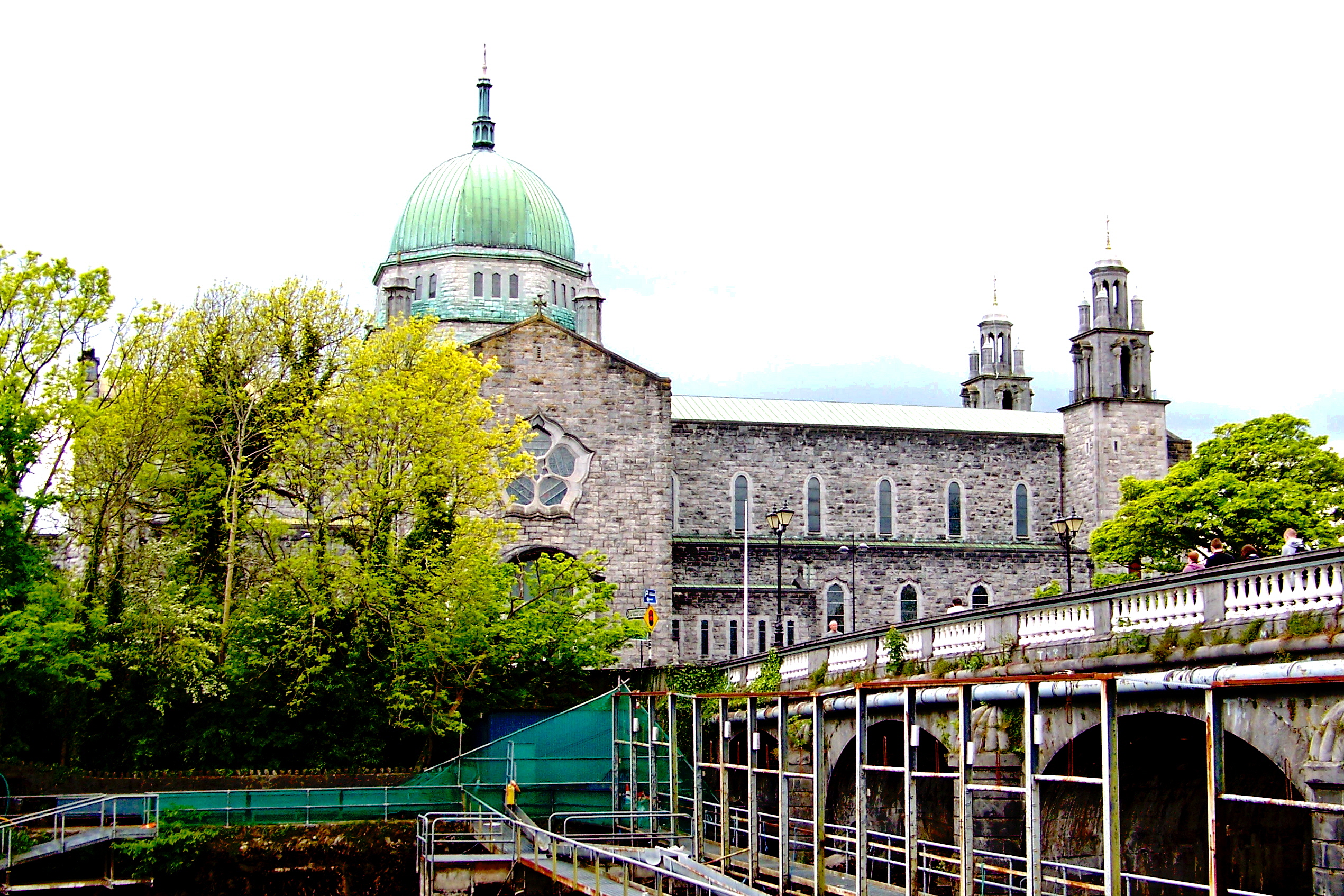
The River Corrib runs just 6 kilometres from Lough Corrib to Galway Bay — one of the shortest rivers in Ireland and one of the most storied. It has divided the old town of Galway from the fishing village of Claddagh for centuries. And according to local tradition, it divided Cromwell’s army from something they refused to name in daylight.
The Siege of Galway — What the History Books Say
By 1652, Cromwell himself had already left Ireland. His brutal campaign — which began in 1649 with the massacres at Drogheda and Wexford — had done its worst. What remained was the slow, grinding reduction of the last holdout towns. Galway was the most stubborn.
Why Galway Held Out Longest
Galway’s medieval walls were formidable — masons had stretched them nearly 1.2 kilometres around the old town and reinforced them with 14 towers between the 13th and 15th centuries. The town’s position on the water — sea to the west, river to the east — made it a natural fortress. Parliamentary forces under Sir Charles Coote could besiege it by land, but they could not easily surround it.
The siege began in earnest in August 1651. By April 1652, starvation and plague had done what cannonfire could not. The town surrendered on 12 May 1652 under negotiated terms. Disease and hunger are estimated to have killed around 1,000 of Galway’s roughly 4,000 residents during the siege — not battle.
The Soldiers’ Account That Was Never Written Down
Official Parliamentary records from the siege document losses, terms of surrender, and property redistribution to Cromwellian settlers with great precision. One episode that local Galway tradition has preserved for nearly four centuries, however, they leave out entirely.
According to the account passed down through the families of the Claddagh — the tightly-knit fishing community on the west bank of the Corrib — a detachment of Parliamentary soldiers attempted a night crossing of the river during the siege. They were trying to encircle the town and cut off a suspected resupply route. They never crossed. The men who returned said the torches went out. The water moved against them, upriver, where it should have been still. One version of the story says a soldier’s horse refused to enter the water and could not be made to move for an hour.
No official explanation was offered. The crossing attempt was abandoned. The soldiers went around by road the following day, in daylight.
The Corrib in Irish Folklore
A River That Has Always Refused Strangers
The River Corrib did not develop its supernatural reputation with Cromwell. The association is far older. The river’s Irish name is An Choirib, and its source, Lough Corrib, is one of the largest lakes in Ireland — 176 square kilometres of water with 365 islands, one for each day of the year according to local count.
The Dobhar-chú and the River’s Guardian
The creature most associated with Lough Corrib and its river is the dobhar-chú — sometimes called the Irish crocodile or the water hound. Irish folklore describes it as a white-furred, otter-like creature of enormous size, deeply territorial, and capable of attacking anyone who disturbs the water at dusk. A gravestone in Connaught from 1722 depicts a woman killed by a dobhar-chú, with the creature carved into the stone. The gravestone stands in Conwall Cemetery, County Leitrim, and draws more visitors than any other folklore site in the west of Ireland.
Whether the Cromwellian soldiers knew Irish folklore is unlikely. But the Claddagh fishermen who watched from the far bank that night certainly did.
The Claddagh’s Own Version of Events
The Claddagh community — who gave Ireland the famous Claddagh ring, first made around 1700 — maintained a tradition of river watchmanship for centuries. As the fishing community responsible for the Corrib mouth, they knew the river’s currents, tides, and moods better than any outsider. Their version of the 1652 story adds one detail absent from the general tradition: they claim a Claddagh fisherman lit a small fire on the far bank that night and kept it burning until dawn. Not to guide the soldiers. To warn whatever was in the water.
☘️ Enjoying this? 64,000+ Ireland lovers get stories like this every week. Subscribe free →
What Makes the Story Credible — and What Doesn’t
The River’s Real Behaviour at Night
The Corrib is not a predictable river. It drains Lough Corrib, which sits about 4 metres above sea level, and the river’s flow accelerates significantly after rain. In winter months — and the siege stretched across two winters — the current between the weirs can be strong enough to overturn small boats. The Galway City Museum holds records of crossings that went wrong on the Corrib through the 18th century, well after the era of rough wooden boats and torchlight.
A night crossing in January or February, against a swollen river running fast after rainfall, with torches that might have been put out by river mist — this is not beyond the natural. The soldiers’ refusal does not require the supernatural to be explained. It requires only a cold night, a dark river, and men who had already seen enough of Ireland to be cautious.
Why the Story Survived
What makes the Cromwell-Corrib story interesting is not whether it happened, but why it was preserved. The Claddagh community maintained tight oral traditions. Stories of English soldiers thwarted by Irish rivers served a clear cultural purpose through the centuries of Penal Laws, land clearances, and famine. The river’s refusal to let foreign soldiers pass became a story about belonging — about a place that knows its own people.
The Spanish Arch, which stands at the mouth of the Corrib where it meets Galway Bay, was already 100 years old when Cromwell’s troops arrived. Built around 1584 as a loading bay for Spanish wine merchants, it is one of the few structures in Galway that survived both the siege and the subsequent Cromwellian building programme. Local guides at the Arch have been telling versions of the Corrib night-crossing story for generations.
Visiting the River Corrib Today
The Salmon Weir Bridge and the City of Tribes
The best place to stand and look at the Corrib is Salmon Weir Bridge, just north of the city centre. Built in 1818 to replace an older wooden structure, it looks directly upstream towards the weirs where salmon stack in April and May on their way to Lough Corrib to spawn. On a bright morning you can see dozens of salmon holding position in the current. The Cathedral of Our Lady Assumed into Heaven and St Nicholas sits on the far bank — built between 1958 and 1965 on the site of the old county gaol where hundreds of famine victims died.
The Galway City Museum on Spanish Parade, open Tuesday to Saturday, has a permanent exhibition on the medieval town, the siege, and the Claddagh community. Entry is free. The museum sits directly beside the Spanish Arch, less than 200 metres from where the river meets the sea. Planning a longer stay? See our full guide to the best things to do in Galway.
The Claddagh Today
The Corporation demolished the original thatched Claddagh village in 1934 and replaced it with social housing. But the community did not disappear. Families who trace descent from the old Claddagh fishing village still live in the area, and the Claddagh ring tradition — a ring given as a token of love, friendship, or loyalty, worn with the heart facing in or out to signal your romantic status — is one of the most recognised symbols of Irish identity worldwide. Galway craftsmen have made the ring design continuously since around 1700, making it one of the longest-running craft traditions in Ireland. For the full story of the village that created it, see our guide to the Claddagh’s own king and the ring’s origins.
Frequently Asked Questions
What happened at Galway during the Cromwellian conquest of Ireland?
Parliamentary forces under Sir Charles Coote besieged Galway from August 1651. The town fell on 12 May 1652 — the last major Irish town to surrender during the Cromwellian conquest. Disease and starvation are estimated to have killed around 1,000 of Galway’s roughly 4,000-strong population. Cromwellian settlers then dispossessed the Galway Tribes — the 14 merchant families who had governed the city for centuries — and forced Catholic residents to relocate to Connacht or go overseas.
Where is the River Corrib and how long is it?
The River Corrib flows south through Galway city for just 6 kilometres, from Lough Corrib to Galway Bay. Despite its short length, it drains one of Ireland’s largest lakes — 176 square kilometres of water — and carries a substantial current, particularly in winter after rain. The river is famous for its salmon run in spring and for the historic Claddagh fishing community that lived at its mouth for centuries.
Is the Cromwell River Corrib story true or folklore?
The story exists in the oral tradition of Galway’s Claddagh community and has been told consistently for nearly four centuries. No official Parliamentary record confirms or denies the night crossing attempt, which is consistent with how Cromwellian administrators handled embarrassing or unexplained incidents. The river’s natural behaviour — strong currents, river mist, and swollen water in winter — offers a plausible natural explanation, though the folklore tradition names a supernatural guardian of the Corrib as the cause.
What is the dobhar-chú and what does it have to do with the Corrib?
The dobhar-chú is a creature from Irish folklore described as a large, white-furred, otter-like animal that guards rivers and lakes in Connacht. It attacks at dusk and guards its territory fiercely. A 1722 gravestone in Conwall Cemetery, County Leitrim, depicts a woman killed by a dobhar-chú — making it one of the few pieces of physical evidence for how seriously this folklore was taken. The Corrib and Lough Corrib, which it drains, are among the bodies of water most closely associated with dobhar-chú sightings in historical accounts.
How do I visit the River Corrib and the Claddagh area in Galway?
Walk from Galway city centre to Salmon Weir Bridge (approximately 10 minutes on foot) for the best upstream view of the Corrib. Then follow the river south to the Spanish Arch, where the river meets Galway Bay. The Galway City Museum beside the Arch is free to enter and covers the siege, the Claddagh, and the medieval town in detail. The Claddagh area is a short walk west along the waterfront from the Spanish Arch.
☘️ Join 64,000+ Ireland Lovers
Every weekday morning, get Ireland’s hidden gems, local secrets, and travel inspiration — the kind you won’t find in any guidebook.
Subscribe free — enter your email:
Already subscribed?
Thinking about it for retirement?
If you’ve started thinking seriously about retiring there, our complete our full Retire in Ireland guide covers the visa, healthcare, cost-of-living, and the regions worth shortlisting.
📲 Know someone who’d love this? Share on WhatsApp →
Free forever · Unsubscribe anytime
Tours & experiences you might love


Powered by Viator. Some links are affiliate links — we may earn a small commission at no extra cost to you.
Secure Your Dream Irish Experience Before It’s Gone!
Planning a trip to Ireland? Don’t let sold-out tours or packed attractions spoil your journey. Iconic experiences like visiting the Cliffs of Moher, exploring the Rock of Cashel, or enjoying a guided walk through Ireland’s ancient past often sell out quickly—especially during peak travel seasons.

Booking in advance guarantees your place and ensures you can fully immerse yourself in the rich culture and breathtaking scenery without stress or disappointment. You’ll also free up time to explore Ireland’s hidden gems and savour those authentic moments that make your trip truly special.
Make the most of your journey—start planning today and secure those must-do experiences before they’re gone!