

If you’ve ever found yourself scrolling through photos of stone-walled country lanes, golden cliffs above foaming Atlantic seas, or cosy pubs with turf fires glowing in the corner — and thought, I could retire here — you’re far from alone. The dream retirement in Ireland runs deep for millions of people around the world, and a recent viral question — “Would you retire in Ireland if money was no object?” — lit up social media with a resounding, emotional yes.
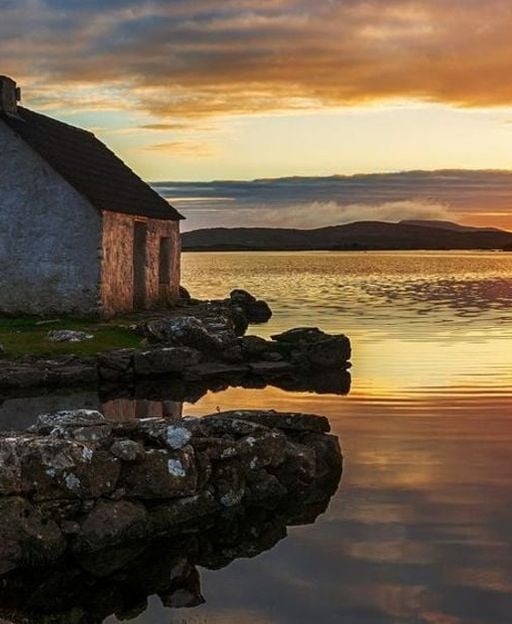
But what would that life actually look like? Beyond the breathtaking landscapes and the romantic notion of a slower pace, what does the day-to-day reality of an Irish retirement actually feel like? Let’s paint the picture — honestly, warmly, and with no shortage of dreaming.
Watch: Do You Qualify for an Irish Passport?
If one of your grandparents was born in Ireland, you may be able to become an Irish citizen. This 14-minute guide explains who qualifies, what it costs and how long it takes. Thinking of making the move? Get the free Moving to Ireland checklist.
What Makes Ireland the Ultimate Dream Retirement Destination?
There’s something about Ireland that gets under your skin in a way few places on earth can match. It isn’t just the scenery — though that’s extraordinary. It’s a combination of landscape, culture, community, and an intangible quality of life that consistently makes Ireland one of the most beloved places on the planet for those who want to slow down and actually live.
A Landscape That Works on Your Soul
Imagine waking up to a view of Connemara’s lake-studded boglands, or watching morning mist lift slowly from the Wicklow Mountains. Picture a morning walk along the Wild Atlantic Way, where the sea crashes against rock faces that have stood since the Ice Age. Ireland’s landscape isn’t just beautiful — it’s the kind of beauty that slows you down, demands your attention, and reminds you that the world is larger and more magnificent than most of us ever get to see.
From the limestone moonscape of the Burren to the misty glens of Donegal, every corner of Ireland offers a landscape so distinctive it feels like a different country entirely. People who settle here often say they never quite get used to it — the light changes every hour, and every season transforms the countryside into something new.
A Pace of Life That Actually Lets You Breathe
Ireland doesn’t rush. The cultural emphasis on conversation, connection, and craic — the uniquely Irish combination of good fun, good company, and good chat — means life moves to a gentler beat than most people raised in a high-speed world are used to. In Irish towns and villages, you’re not invisible. The shopkeeper knows your name, the neighbours drop in for tea, and nobody thinks it strange to spend an entire afternoon in a pub nursing one pint and putting the world to rights.
For anyone leaving behind a high-pressure career or the grinding pace of city life, this shift isn’t just pleasant — it’s genuinely restorative.
A Typical Day in Your Dream Retirement in Ireland
Let’s imagine it properly. You rise early — the Irish countryside is extraordinary at dawn — and take a walk along a lane edged with fuchsia and foxglove. Back home, a proper breakfast: soda bread, good butter, eggs from the local market. You drive into the nearest town for a coffee and find yourself in a half-hour conversation with someone at the counter who turns out to be your neighbour’s cousin twice removed.
An afternoon spent exploring a ruined abbey on your doorstep, or painting watercolours overlooking a Clare bay you’ve made your own. An evening in the local pub for a session — live traditional music that begins quietly and builds until the whole room is singing. You don’t organise this. You don’t book a ticket. You simply walk through the door and it happens, because this is Ireland.
This is what the dream retirement in Ireland looks like for the people who’ve made it a reality. And for hundreds of thousands who answered that viral question — “would you, if money was no object?” — the answer isn’t just yes. It’s when can I start?
The Warmth of Irish Community
One of the defining features of life in Ireland is the extraordinary warmth of its people. The stereotype of the talkative, welcoming, quick-witted Irish person exists because it’s largely, beautifully true — and nowhere is that more apparent than in the smaller towns and villages where most people dream of retiring.
For diaspora returning home, this warmth feels like stepping back into something they didn’t realise they’d been missing. For international retirees, it represents something even more valuable: the cure for one of retirement’s greatest threats — isolation and loneliness. Ireland has a social infrastructure built on community. From the local festival committee to the community hall, the market day and the parish gathering, social life in rural and small-town Ireland is woven into the fabric of every week.
You are included here, often before you’ve even finished unpacking.
The Culture That Never Gets Old
Music, Storytelling, and the Craic
Ireland is one of the few places in the world where traditional music is a living, breathing, every-night-of-the-week experience. Sessions happen in pubs across the country — unannounced, unpaid, just musicians gathering because they love to play. You might find yourself sitting two feet from a fiddle player who’s been playing since she was five years old, or hearing a sean-nós singer stop a room dead with a song that’s four hundred years old and still carries everything.
Irish storytelling — the art of the yarn, the well-timed observation, the tale that grows with each telling — is woven into everyday conversation in a way that makes even the most mundane interaction feel genuinely alive. This is a culture that has always valued the word, the song, and the well-told story above almost everything else.
A Language Tied to the Ancient Land
Even for those who don’t speak Irish, the presence of the language — on road signs, in place names, in phrases that slip into everyday speech — creates a sense of connection to something ancient and enduring. Place names in Ireland are their own form of poetry: Glendalough means “valley of the two lakes.” Dún Laoghaire is “the fort of Laoghaire.” The land is a living history book, and retiring here means you’re reading it every single day.
The Regions That Win the Dream Debate
While all of Ireland rewards life, certain regions come up time and again when people fantasise about their ideal Irish retirement:
County Clare — the Burren, the Cliffs of Moher, vibrant Ennis, and one of the finest traditional music scenes in the country.
Connemara, County Galway — Ireland at its most wild and ancient. Stone cottages, Connemara ponies, and Gaeltacht communities where Irish is still the first language of daily life.
County Kerry — the Ring of Kerry, the Dingle Peninsula, and some of the most spectacular coastal scenery on the island.
County Wicklow — close enough to Dublin for city access, beautiful enough for complete rural peace. The “Garden of Ireland” earns its title every season.
County Donegal — Ireland’s dramatic north-west, largely undiscovered by mass tourism, fiercely itself, and home to some of the country’s most welcoming communities.
If you’re starting to think practically about where in Ireland might suit you best, our complete guide to the best places to retire in Ireland walks through the options in detail — county by county, from coastal villages to market towns.
Why the Irish Diaspora Longs to Come Home
For the millions of people of Irish descent living abroad — in the United States, Australia, Britain, and beyond — the question “would you retire in Ireland?” carries a particular emotional weight. It isn’t just a lifestyle question. It’s about belonging, identity, and the pull of a place that has never quite let go.
The Irish diaspora is estimated at over 70 million people worldwide. Many have never set foot on Irish soil. But they know the songs their grandparents sang, the county their great-great-grandmother left during the Famine, the name of the townland no one has been back to in generations. The dream of returning — of retiring in Ireland — is, for them, also a dream of completing a circle that was broken a long time ago.
That is something no list of amenities or cost-of-living analysis can fully capture. Some things are felt before they’re understood.
Begin Your Irish Adventure Today
Whether the retirement dream is a distant fantasy or something you’re actively planning, Ireland rewards every level of exploration. Our Ireland trip planning hub is the perfect place to begin — full of itineraries, practical guides, and inspiration for discovering every corner of the Emerald Isle before you decide which corner to call home.
The question is a simple one. The answer, for anyone who has ever stood on an Irish clifftop and felt the wind come in off the Atlantic, is just as simple. If money was no object, Ireland wouldn’t just make the shortlist. For most people, it would win — without a second’s hesitation.
☘️ Join 64,000+ Ireland Lovers
Every Friday, get Ireland’s hidden gems, local secrets, and travel inspiration — the kind you won’t find in any guidebook.
Thinking about it seriously?
If you’ve started actually planning a move, our complete the full Move to Ireland guide walks through every step, every cost, and the paperwork that catches most people out.
Free forever · One email per week · Unsubscribe anytime
Tours & experiences you might love


Powered by Viator. Some links are affiliate links — we may earn a small commission at no extra cost to you.
Secure Your Dream Irish Experience Before It’s Gone!
Planning a trip to Ireland? Don’t let sold-out tours or packed attractions spoil your journey. Iconic experiences like visiting the Cliffs of Moher, exploring the Rock of Cashel, or enjoying a guided walk through Ireland’s ancient past often sell out quickly—especially during peak travel seasons.

Booking in advance guarantees your place and ensures you can fully immerse yourself in the rich culture and breathtaking scenery without stress or disappointment. You’ll also free up time to explore Ireland’s hidden gems and savour those authentic moments that make your trip truly special.
Make the most of your journey—start planning today and secure those must-do experiences before they’re gone!