

Connemara — the wild, mountainous region in the west of County Galway — takes its name from the Irish language, and the meaning is as elemental as the landscape itself. Here’s where the name comes from and what it tells you about the place.
What does “Connemara” mean?
The name is believed to come from two Irish words: Conmhaicne and Mara. The Conmhaicne were a tribal people who historically inhabited this part of the west of Ireland, while mara means “of the sea.” Put together, Connemara translates roughly as the “Conmhaicne by the Sea” — or, more loosely, the “Inlets of the Sea.”
The Conmhaicne — the people behind the name
The Conmhaicne were a population group found in several parts of Connacht and beyond, distinguished by their territory rather than a single ancestor. The branch who settled along this stretch of the Atlantic coast became known as the Conmhaicne Mara — the Conmhaicne of the sea — to set them apart from the others living inland. Over centuries, that descriptive name attached itself to the land they held, and “Connemara” stuck.
A name that fits the landscape
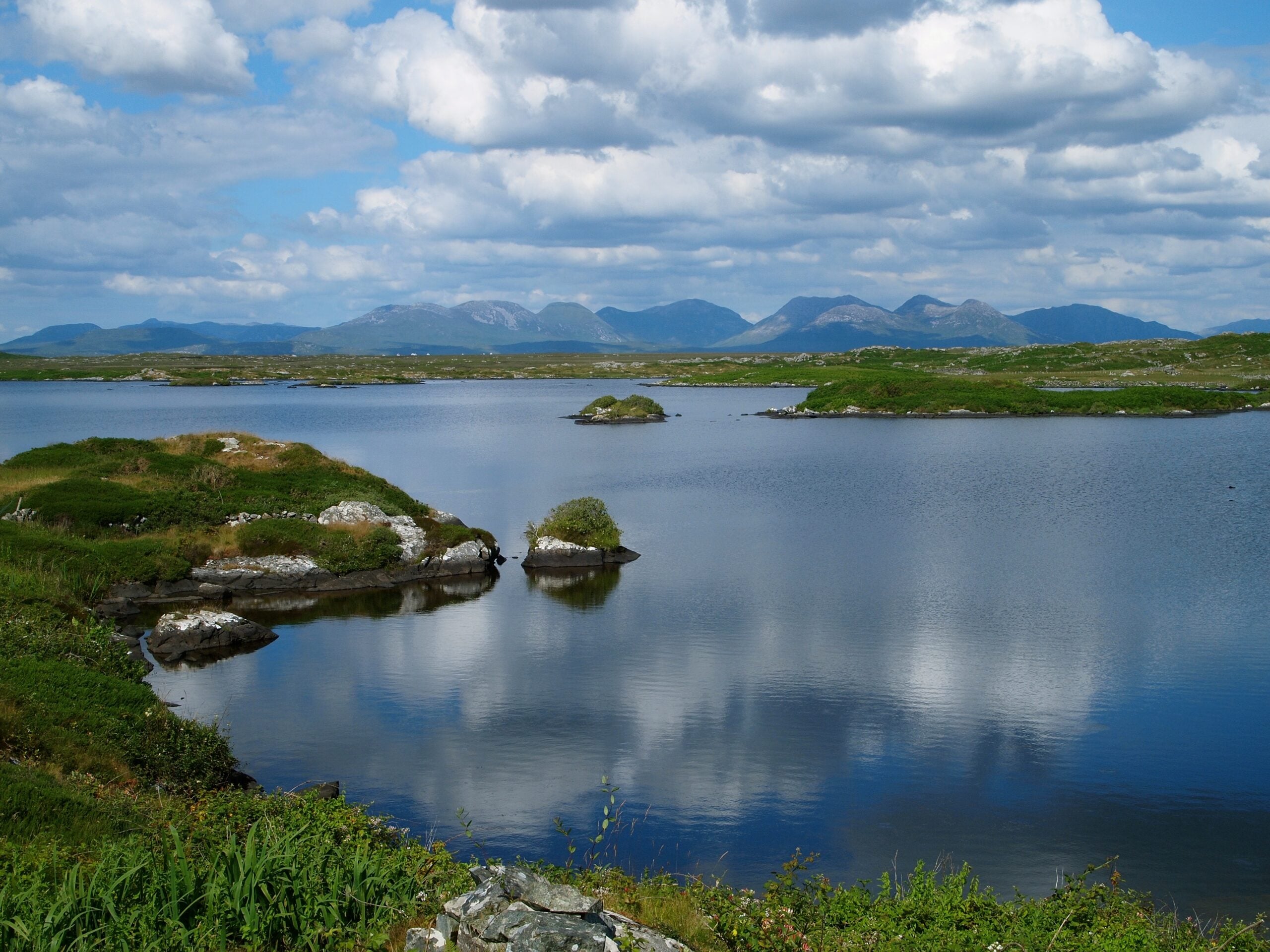
Few Irish place names describe their setting so precisely. Connemara is a fractal coastline of inlets, bays and islands, threaded with dark lakes and backed by the quartzite peaks of the Twelve Bens. The sea is never far away, and the boundary between land and water blurs constantly across the bogland — exactly the “inlets of the sea” the name suggests.
It’s this combination of mountain, bog and Atlantic coast that makes the region one of Ireland’s most beautiful corners, home to landmarks like Kylemore Abbey and some of the country’s finest walking. If the name has you curious, our full Connemara travel guide covers where to go, what to do and when to visit.
Love Ireland? Join 170,000 readers getting the best of Irish travel, culture and heritage every week — subscribe to our free newsletter.
Tours & experiences you might love


Powered by Viator. Some links are affiliate links — we may earn a small commission at no extra cost to you.
Secure Your Dream Irish Experience Before It’s Gone!
Planning a trip to Ireland? Don’t let sold-out tours or packed attractions spoil your journey. Iconic experiences like visiting the Cliffs of Moher, exploring the Rock of Cashel, or enjoying a guided walk through Ireland’s ancient past often sell out quickly—especially during peak travel seasons.

Booking in advance guarantees your place and ensures you can fully immerse yourself in the rich culture and breathtaking scenery without stress or disappointment. You’ll also free up time to explore Ireland’s hidden gems and savour those authentic moments that make your trip truly special.
Make the most of your journey—start planning today and secure those must-do experiences before they’re gone!