

Connemara is Ireland at its most elemental — a vast sweep of bog, mountain and Atlantic coast in the west of County Galway, where the Irish language is still spoken, the light changes by the minute, and the sense of wildness is absolute. This guide covers where Connemara is, how to get around, the best things to see and do, where to stay and eat, and when to go.
Where is Connemara?
Connemara occupies the western edge of County Galway, beginning roughly where the city of Galway ends and running out to the Atlantic. There are no exact borders — Connemara is a region, not a county — but it is broadly bounded by Killary Fjord and the Mayo border to the north, Lough Corrib to the east, and the ocean to the south and west. At its heart rise the Twelve Bens, a tight range of quartzite peaks, ringed by blanket bog, dark lakes and a coastline that frays into a thousand inlets and islands. If you want to understand the name itself, we dug into how Connemara got its name.
Getting there and getting around
Most visitors reach Connemara from Galway city, about a 60–90 minute drive west. The region is rural and public transport is limited, so the freedom of a car makes an enormous difference — see our guide to renting a car in Ireland before you go. The classic approach is the coast road through Spiddal and the Gaeltacht villages, returning inland past Maam Cross and the Bens. Allow far more time than the distances suggest: the roads are narrow, the views are constant, and stopping is the whole point. Connemara is one of the signature stretches of the Wild Atlantic Way.
The best things to do in Connemara
Connemara National Park and the Twelve Bens
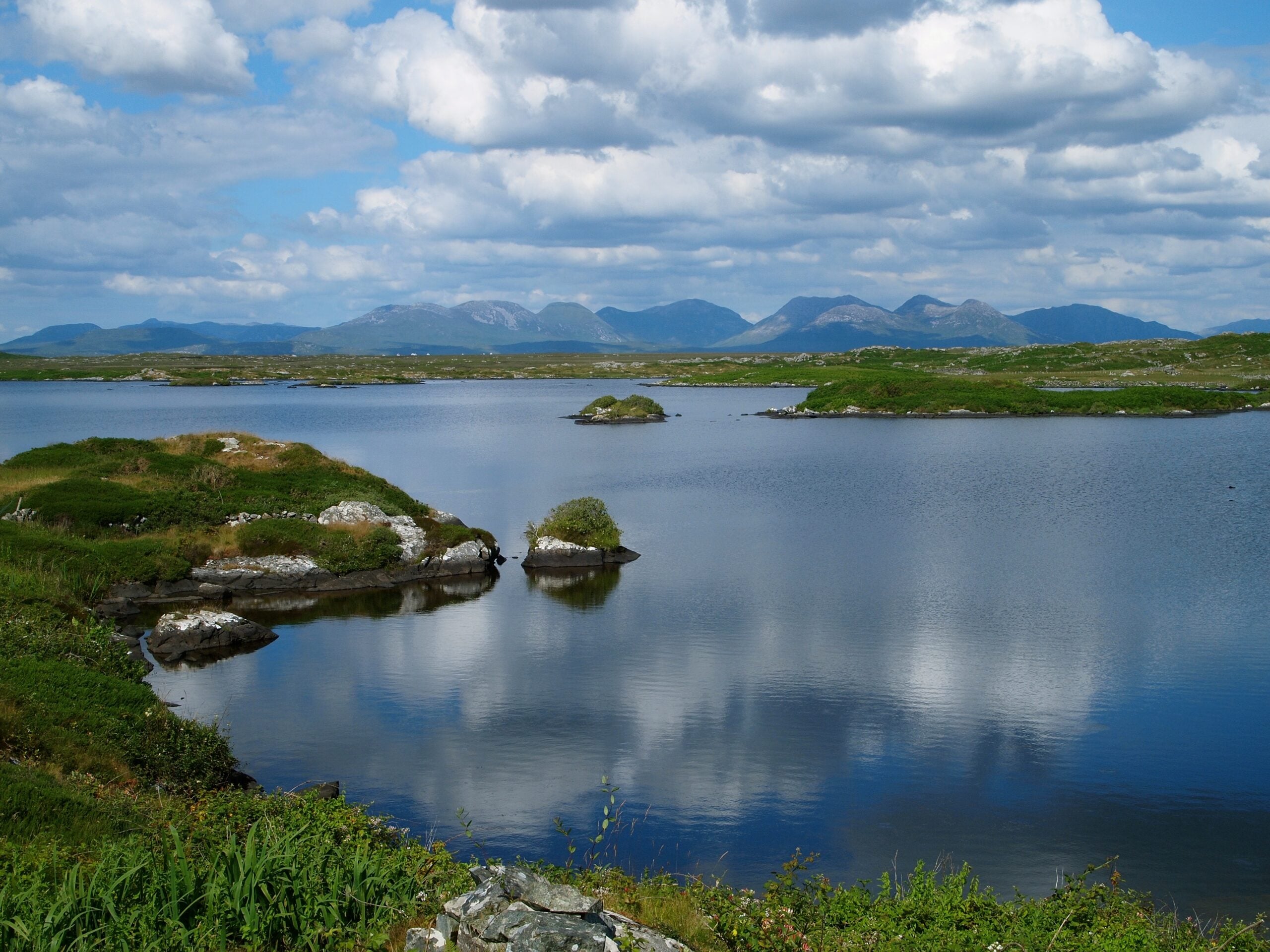
The 2,000-hectare Connemara National Park — repeatedly voted Ireland’s most-loved walk — protects bog, heath and several of the Twelve Bens. The Diamond Hill loop is the highlight: a well-built trail that climbs to a summit with a panorama over the whole region, from the peaks to the islands. It’s free to enter, with a visitor centre near Letterfrack.
Kylemore Abbey
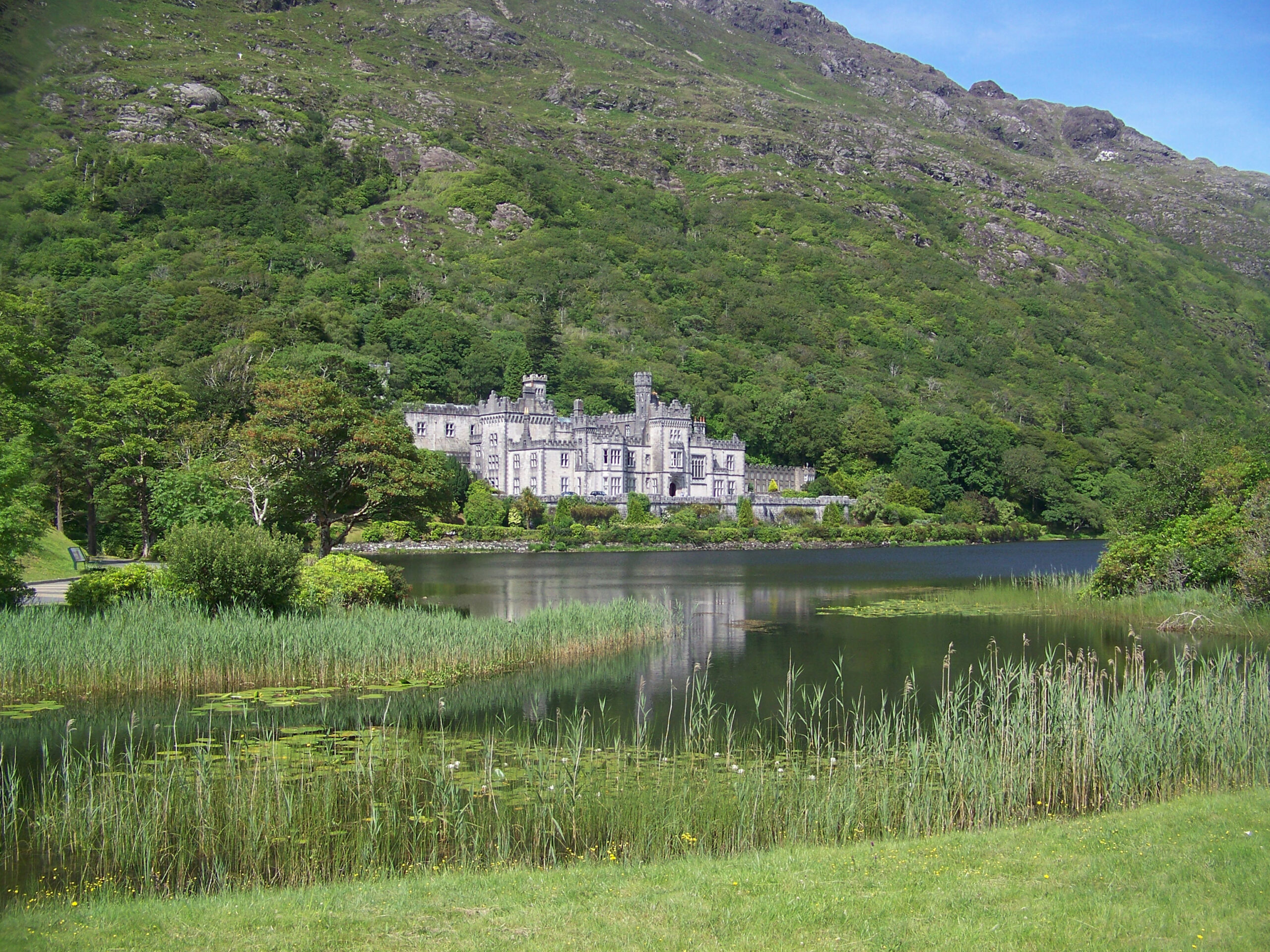
Connemara’s most photographed building, Kylemore Abbey, sits mirrored in a lake beneath a wooded hill — a Victorian castle turned Benedictine monastery, with a famous walled Victorian garden and a tiny neo-Gothic church. It deserves a half-day; our complete guide to visiting Kylemore Abbey covers tickets, timing and what not to miss.
Clifden, the Sky Road and the festivals
Clifden is Connemara’s “capital” — a small, colourful town that makes the ideal base. The looping Sky Road just west of town is one of Ireland’s great short drives, climbing above the bay to wide Atlantic views. Clifden also has a lively cultural calendar; we covered the Clifden music festival and the Irish brush dance, and for something different, the Earth, Sea & Sky painting retreat in Connemara.
The coast, the beaches and Roundstone
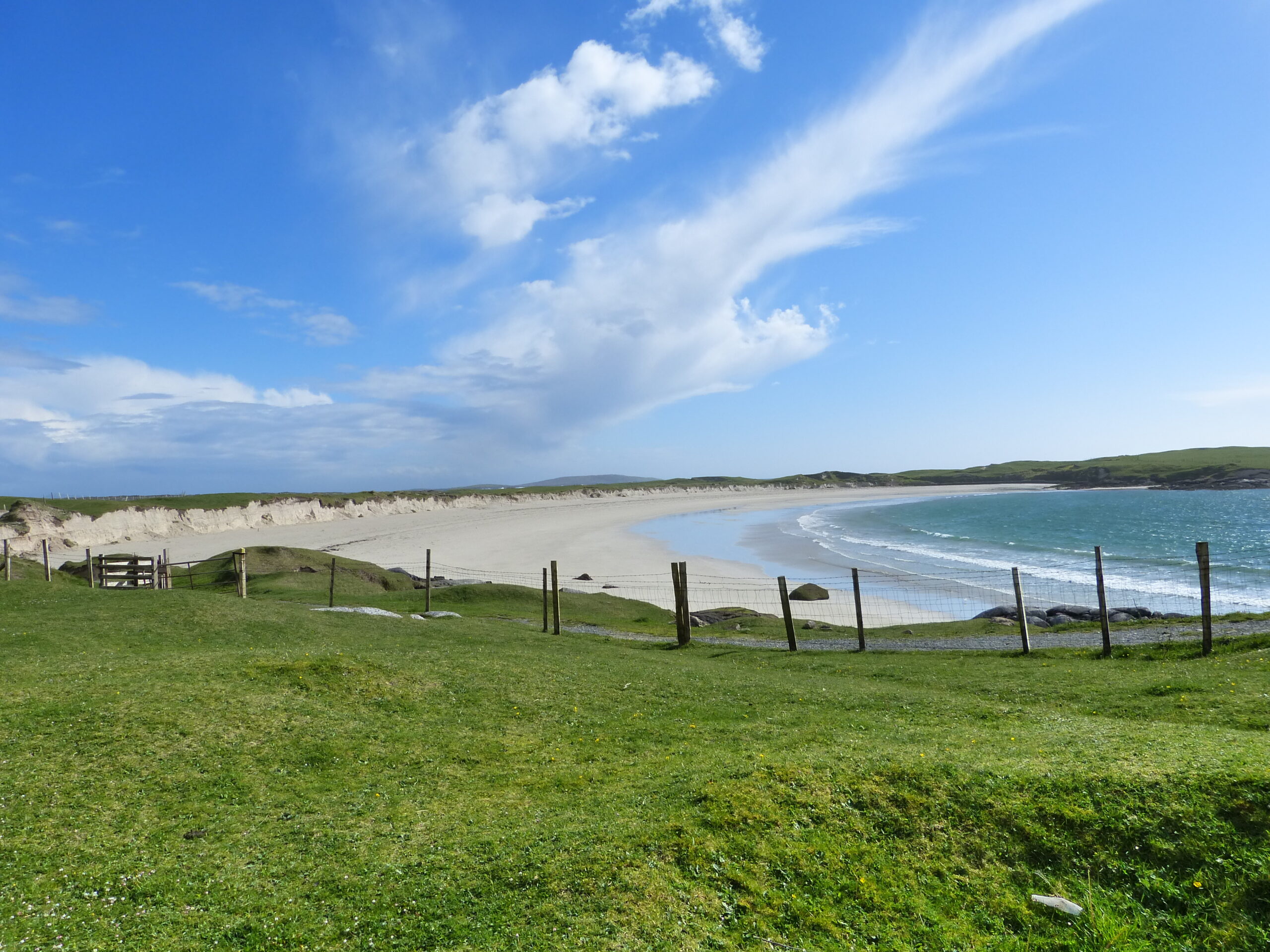
The pretty harbour village of Roundstone sits beneath Errisbeg, and just beyond it lie Connemara’s most beautiful beaches — Dog’s Bay and Gurteen, twin curves of white shell-sand on a narrow isthmus. The wider region hides many more; see our pick of Galway’s hidden beaches. Connemara is also where you’ll find the wild Connemara island few visitors ever reach.
The Aran Islands
Reached by ferry from Connemara (Rossaveal) or Galway, the three Aran Islands are a world apart — limestone, stone walls, prehistoric forts and a living Irish-speaking culture. They make a superb day trip or overnight; here’s the island life most tourists never see.
Connemara’s living culture: the pony and the Gaeltacht
Connemara is the largest Gaeltacht (Irish-speaking region) in the country, and that heritage is everywhere — in place names, music and the everyday sound of the language in the Wild Atlantic villages where Irish never surrendered. The region also gave its name to the hardy native Connemara pony, still bred and shown here. Don’t be surprised to be handed a Connemara worry stone — a smooth local marble pebble — as a keepsake.
Where to stay
Clifden is the most convenient base, with the best concentration of guesthouses — start with our pick of the best B&Bs in Clifden. For something closer to the landscape, Connemara is excellent glamping and camping country. Letterfrack and Leenane suit walkers near the National Park and Killary, while Roundstone and Cashel suit the southern coast.
Where to eat and drink
Connemara eats from the sea: oysters, mussels, crab and the famous Connemara lamb, raised on the heather. Clifden and Roundstone have the densest cluster of restaurants and pubs, and a session of traditional music is never far away. Many of the best pubs are tiny and village-bound — part of the pleasure is simply stopping where the cars are parked.
When is the best time to visit?
Late spring (May–June) and early autumn (September) are ideal — long days, the heather and bog cotton in colour, and fewer crowds than midsummer. Connemara weather is famously changeable in any season, so pack for four seasons in a day. Our seasonal breakdown of the best time to visit Ireland goes into detail.
A suggested Connemara itinerary
Short on time? Our 4 perfect days in Connemara and the Cliffs of Moher itinerary pairs the region with the wider Wild Atlantic Way, and the free Ireland travel planner helps you slot it into a longer trip. North of Connemara, County Mayo and the village of Cong make a natural extension.
Explore more
- County Galway — the complete guide
- Best things to do in Galway
- Connemara National Park
- Visiting Kylemore Abbey
- The Aran Islands
- The Wild Atlantic Way
Love Ireland? Join 170,000 readers getting the best of Irish travel, culture and heritage every week — subscribe to our free newsletter.