

There is a specific kind of problem that only Ireland seems to create. You have just checked into somewhere extraordinary — a castle above a river, a cottage facing the Atlantic, a farmhouse on a hill above a lough — and the light outside is doing something you have never quite seen before. You are genuinely tired. But you are not sure you can bring yourself to close your eyes.
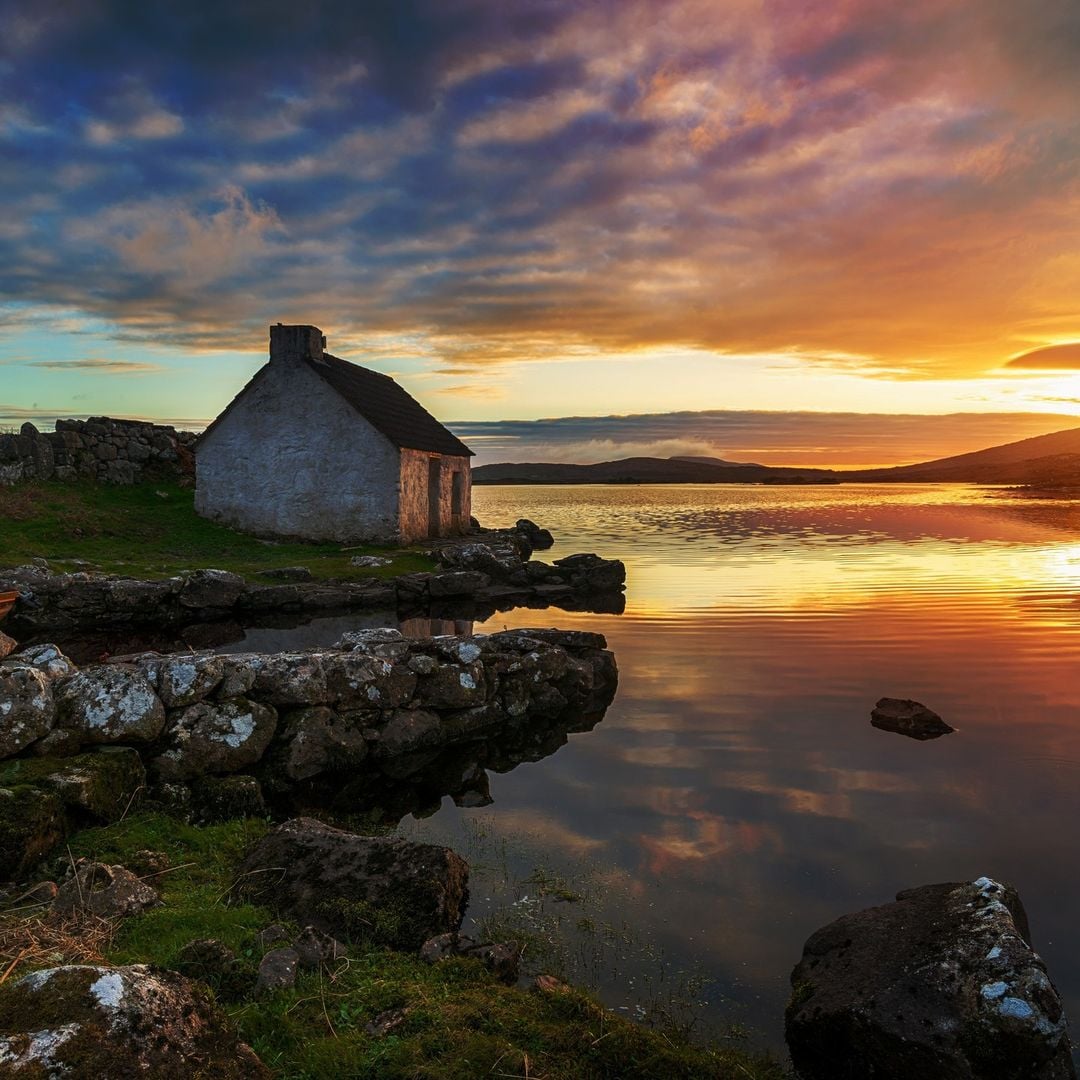
That question — have you ever fallen asleep somewhere so beautiful you almost regretted it? — gets asked a lot about Ireland. And with good reason. The country packs an unusual variety of landscapes into a small area, and it pairs them with accommodation options that range from proper castles to remote island cottages. This guide covers the places most likely to give you that problem.
Want more Ireland travel picks like this? Subscribe to our free newsletter — practical guides, hidden spots, and seasonal recommendations delivered to your inbox.
Castle Hotels Worth Every Penny
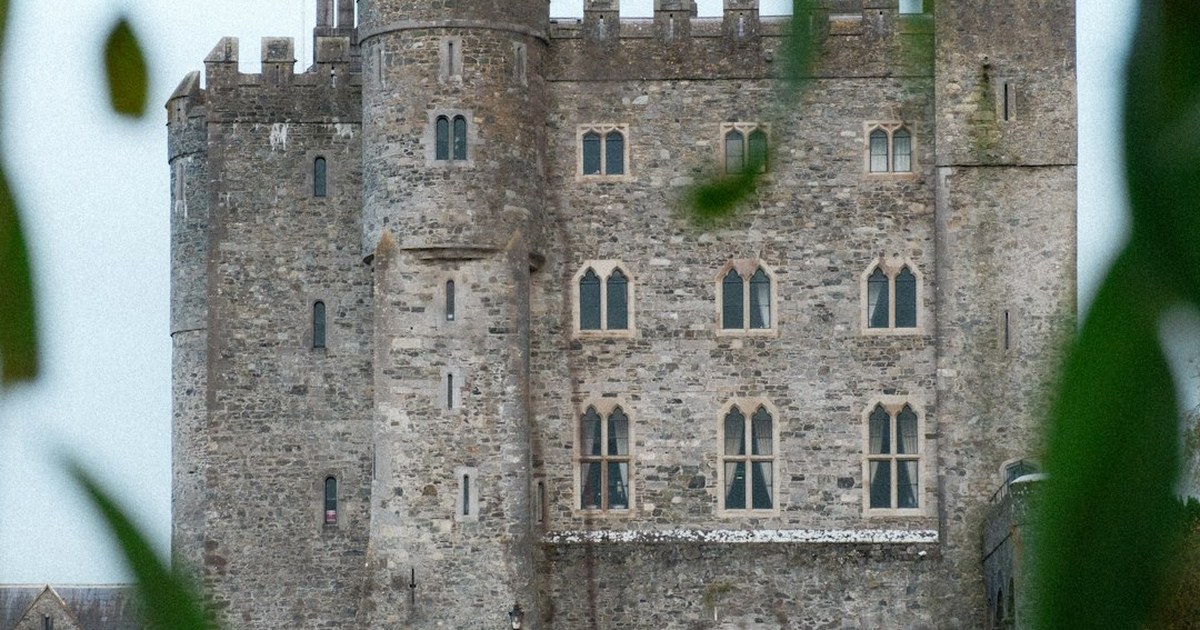
Ireland has more castle hotels than anywhere else in Europe, and several of them are genuinely worth the splurge — not just as novelties but as places where the history, grounds, and setting combine to make the stay memorable.
Ashford Castle, County Mayo sits on the edge of Lough Corrib and has 350 acres of grounds. The original structure dates to the 13th century. Guests can take a boat out onto the lough at first light, when the mist sits low on the water and the surrounding forest is completely still. Rooms start from around €600 per night in the low season, and well over €1,000 during peak summer months, but the setting earns it. If you wake early enough and stand on the lakeside lawn, you will understand why people return year after year.
Dromoland Castle, County Clare is another option at a similar price point. The estate covers 450 acres, and the lough in front of the main building catches the evening light in a way that is genuinely difficult to stop watching. The castle has been a hotel since the 1960s but the approach road and the view from the upper rooms still feel like you have arrived somewhere that was never meant to be ordinary.
Ballynahinch Castle, Connemara is smaller and less formal. It sits alongside the Ballynahinch River in the middle of the Connemara landscape, surrounded by bog, mountain, and woodland. Salmon run through the river in season. The rooms in the main house face the water. This is the kind of place where guests regularly extend their stay by a night or two.
Remote Island Stays
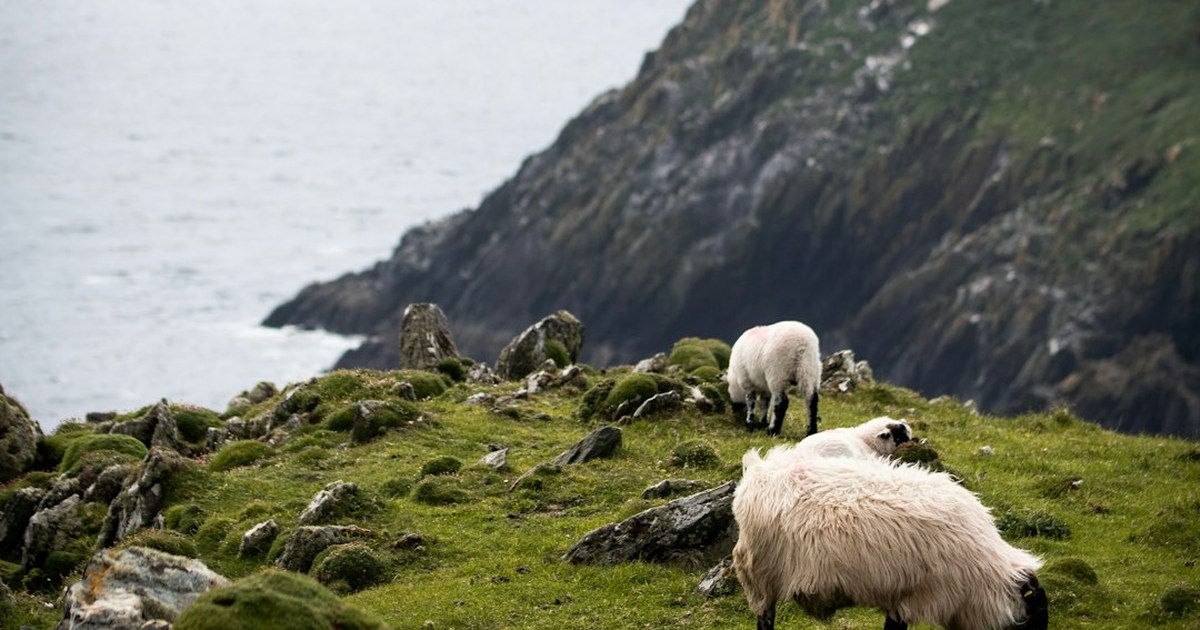
Ireland has around 80 offshore islands, of which only about 20 remain inhabited year-round, and several of those have accommodation that ranges from basic to genuinely comfortable. What they share is the kind of quiet that is almost impossible to find on the mainland.
Inis Mór, Aran Islands is the largest of the three Aran Islands and has a small selection of guesthouses and B&Bs. The island sits at the edge of Galway Bay, and on a clear evening the light over the Atlantic from the clifftop at Dún Aonghasa is unlike anything on the mainland. The ferry from Rossaveel takes about 40 minutes. There are no traffic lights on the island and very little light pollution. The sky at night is one of the reasons people come back.
Inishbofin, County Galway has a small population and a couple of well-run guesthouses. The island has a 17th-century star fort, clean beaches, and a very manageable size — you can walk the perimeter in a few hours. The ferry runs from Cleggan, about 15 minutes west of Clifden by car, and takes around 30 minutes to reach the island. Nights on Inishbofin are genuinely dark and genuinely quiet.
Clare Island, County Mayo sits at the mouth of Clew Bay. It has a lighthouse that has been converted into self-catering accommodation — you sleep in an old lighthouse on an island at the edge of the Atlantic. The view from the lantern room faces open ocean. Booking needs to happen well in advance.
Connemara and the Wild Atlantic Way
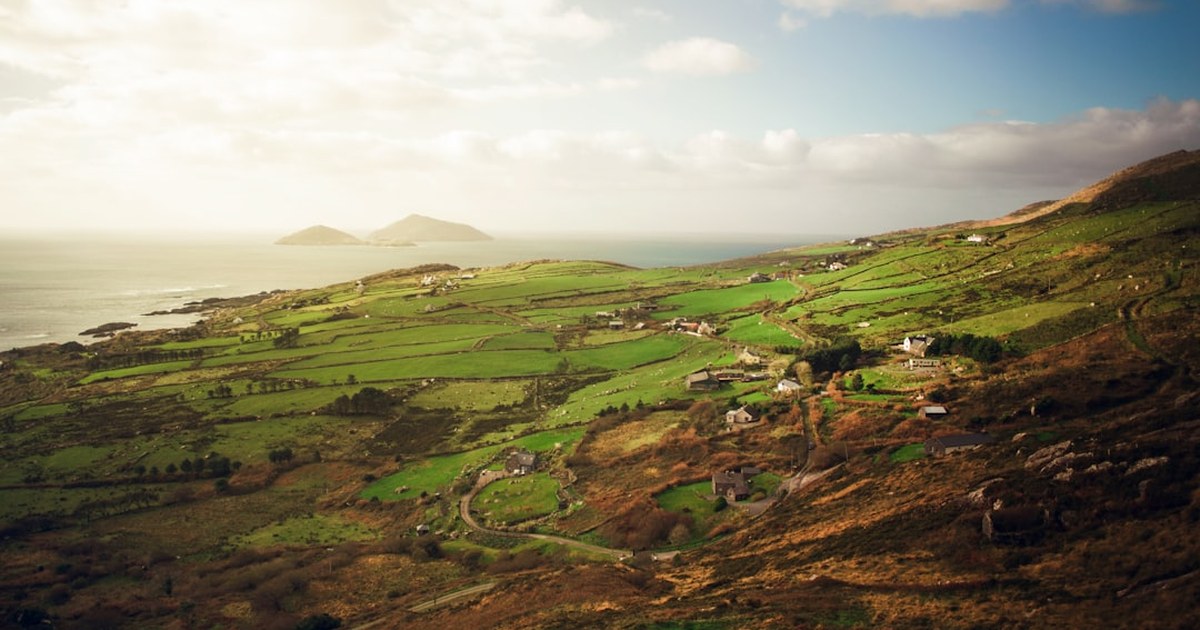
The Wild Atlantic Way runs for 2,500 kilometres along Ireland’s west coast, from Donegal in the north to Cork in the south. The Connemara stretch — roughly from Clifden to Leenane — is where the landscape becomes most dramatic: blanket bog, quartzite mountains, sea inlets, and an almost complete absence of trees.
Self-catering cottages in this part of the country are often positioned for a reason. Many face west across the Atlantic. Some look directly at the Twelve Bens mountain range. A good number sit on the shores of small loughs where the only sounds at night are the wind and occasional wildfowl.
Cottages here typically run from around €100 to €250 per night depending on size and season. Platforms like Airbnb and local agencies like Connemara Cottages have listings, but it is worth reading the descriptions carefully. Words like “sea views” can mean anything from a glimpse of the Atlantic on a clear day to an unobstructed panorama that fills every west-facing window.
The village of Roundstone is a useful base. It sits on the southern edge of Connemara, faces Bertraghboy Bay, and has a small collection of restaurants and pubs. The beach at Dog’s Bay, just outside the village, is white shell sand — the kind of beach that looks like it belongs somewhere much warmer.
Planning a trip to the west of Ireland? Our newsletter covers where to stay, what to book early, and what the travel guides often miss. Sign up free here.
Lakeside Stays Inland
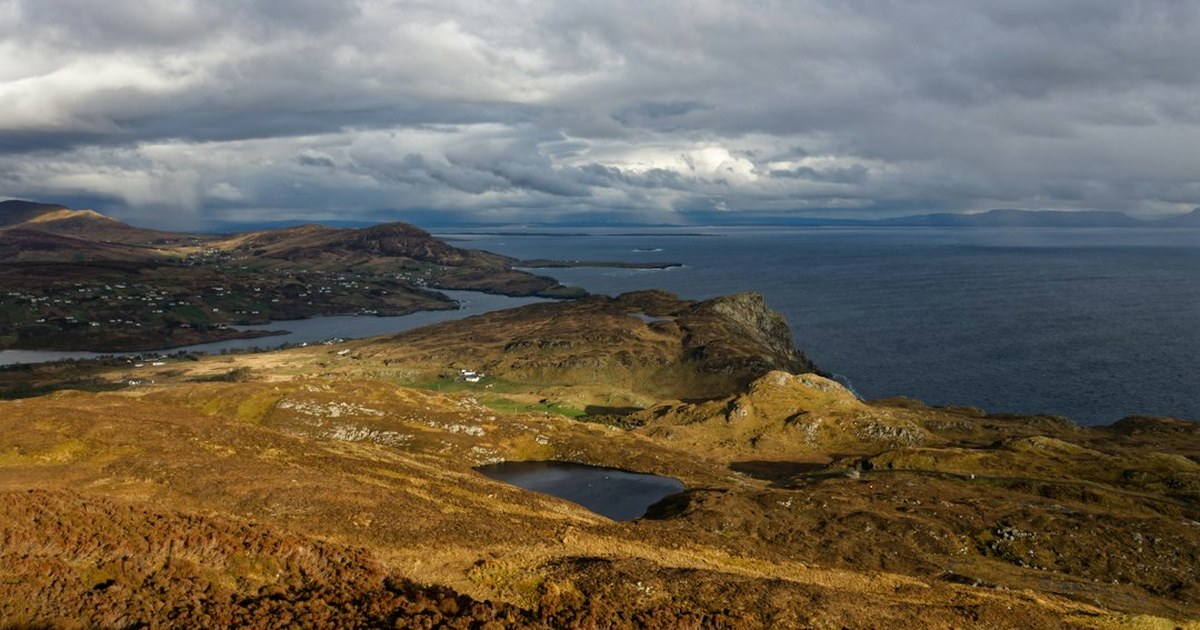
The midlands and west of Ireland have an abundance of loughs — freshwater lakes — that do not appear in most travel guides but offer some of the quietest overnight options in the country.
Lough Derg, County Clare/Tipperary is the third-largest lough in Ireland and has several guesthouses and country houses along its shores. The eastern bank, around Killaloe and Ballina, is particularly well serviced. The lough itself is large enough to have its own weather. Sunsets on Lough Derg in September, when the summer crowds have gone, are genuinely worth arriving in time for.
Lough Erne, County Fermanagh sits in Northern Ireland and is often overlooked by visitors who focus on the Republic. It is a complex waterway — Upper and Lower Erne are connected — with 154 islands, several of which can be accessed by small boat. The Lough Erne Resort near Enniskillen has good lough views and a reasonable price point for what it offers.
Lough Corrib, County Galway is Ireland’s second-largest lough and stretches from Galway city northward into County Mayo. It has islands with the ruins of early Christian monasteries. The western shore, around Oughterard, has several guesthouses and the town itself makes a solid base for exploring both the lough and the Connemara hills to the west.
Country Houses and Manor Stays
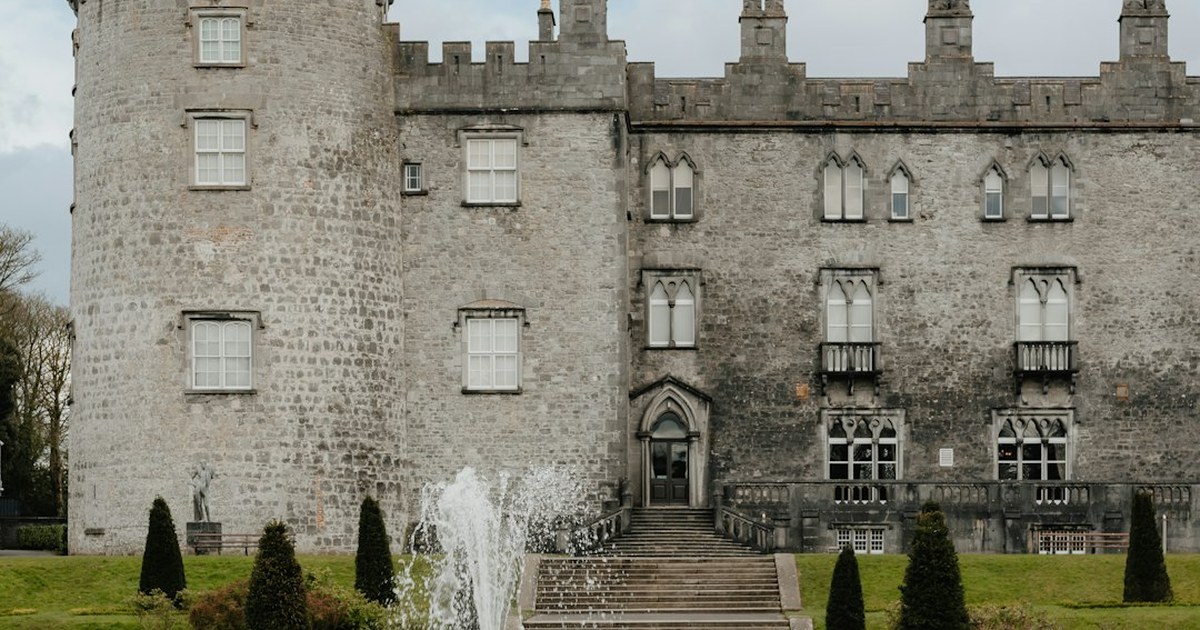
Ireland has a significant number of historic country houses that operate as guesthouses or small hotels. These range from properties with ten rooms and a formal dining room to much smaller operations run by the families who still own them.
Coopershill House, County Sligo has been in the O’Hara family since 1774. It has eight rooms, 500 acres of grounds, and a dining room that serves dinner most evenings using produce from the estate and local suppliers. The house sits in a bowl of parkland with no other buildings in sight from the front steps. Rates are around €200 to €280 per night including breakfast.
Delphi Lodge, County Mayo sits at the head of a valley in Connemara, surrounded by mountains and with a private lough directly in front. It has thirteen rooms and operates largely as a fishing lodge, but non-fishing guests are welcome. The dining room serves dinner communally, which means you eat with whoever else is staying that night — a format that either suits you or it doesn’t, but the setting is hard to argue with.
Rathsallagh House, County Wicklow is converted from 18th-century stables and has 40 rooms and a walled garden. It is about an hour from Dublin, which makes it a practical choice for visitors who want a base that combines easy access to the capital with actual countryside.
What to Know Before You Book
A few practical points that apply across most of these options:
- Book early for summer. June through August is busy, and the best rooms in the most popular properties — particularly the castle hotels and island guesthouses — fill up months in advance. September and October offer better availability and, often, better light.
- Check what “sea views” actually means. Some properties use the phrase loosely. If the view matters to you, ask specifically which rooms face the sea and whether the view is obstructed.
- Factor in the drive. Many of the most scenic locations require time on rural roads. A cottage that looks like it is an hour from the nearest town might genuinely be an hour from the nearest town. This is not a problem if you plan for it; it is a problem if you arrive hungry at 9pm expecting a restaurant.
- Night-time light pollution varies significantly. If a dark sky is part of what you want, check whether the property is genuinely remote or simply positioned in a scenic area that is close to a town.
- Weather is part of the experience. Ireland’s west-coast weather changes quickly. A morning that opens grey and wet can turn clear by midday. Pack for both and try not to plan around specific forecast windows more than 48 hours out.
The Best Months for This Kind of Trip
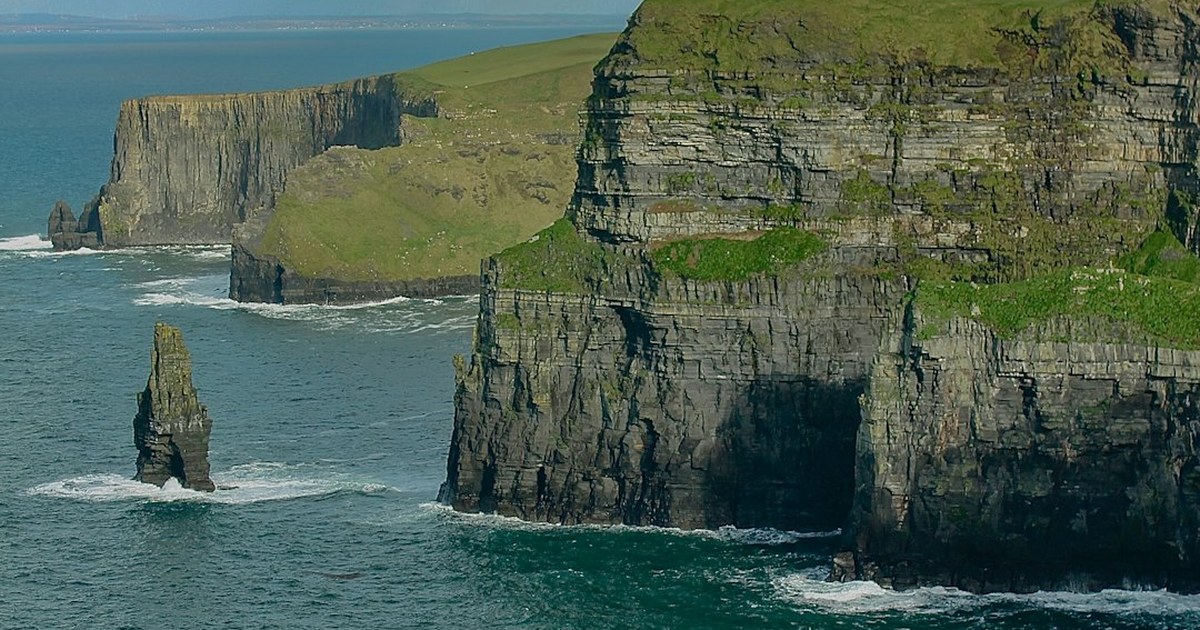
Late spring and early autumn give you the best combination of light, availability, and reasonable weather. May and early June see the long evenings starting — sunset after 9pm by mid-June — with fewer crowds than July or August. September keeps the long evenings going into the month and tends to have more settled weather than the peak of summer.
October is worth considering if you are specifically interested in the west. The light in October on the Connemara coast or the Sligo shoreline takes on a quality that is genuinely different from summer — lower, more directional, more dramatic. The tourist infrastructure thins out, which is either a drawback or a benefit depending on what you are looking for.
Winter stays are less common but not without appeal. Ashford Castle and Dromoland both run efficiently year-round, and a castle in December — fires lit, no coach tours, short days with long evenings — is a specific kind of experience that the summer version does not quite replicate.
The question that started this — have you ever fallen asleep somewhere so beautiful you almost regretted it — is one that Ireland answers more reliably than most countries. The variety is part of it: you can have the same reaction in a castle on Lough Corrib, a converted lighthouse on a Mayo island, or a bog-side cottage in Connemara. The setting changes. The problem stays the same.
Get our full list of recommended stays, seasonal guides, and the places that don’t make it into the standard travel guides. Subscribe to the Love Ireland newsletter — it’s free.
☘️ Join 64,000+ Ireland Lovers
Every weekday morning, get Ireland’s hidden gems, local secrets, and travel inspiration — the kind you won’t find in any guidebook.
Subscribe free — enter your email:
📲 Know someone who’d love this? Share on WhatsApp →
Free forever · Unsubscribe anytime
Tours & experiences you might love


Powered by Viator. Some links are affiliate links — we may earn a small commission at no extra cost to you.
Secure Your Dream Irish Experience Before It’s Gone!
Planning a trip to Ireland? Don’t let sold-out tours or packed attractions spoil your journey. Iconic experiences like visiting the Cliffs of Moher, exploring the Rock of Cashel, or enjoying a guided walk through Ireland’s ancient past often sell out quickly—especially during peak travel seasons.

Booking in advance guarantees your place and ensures you can fully immerse yourself in the rich culture and breathtaking scenery without stress or disappointment. You’ll also free up time to explore Ireland’s hidden gems and savour those authentic moments that make your trip truly special.
Make the most of your journey—start planning today and secure those must-do experiences before they’re gone!