

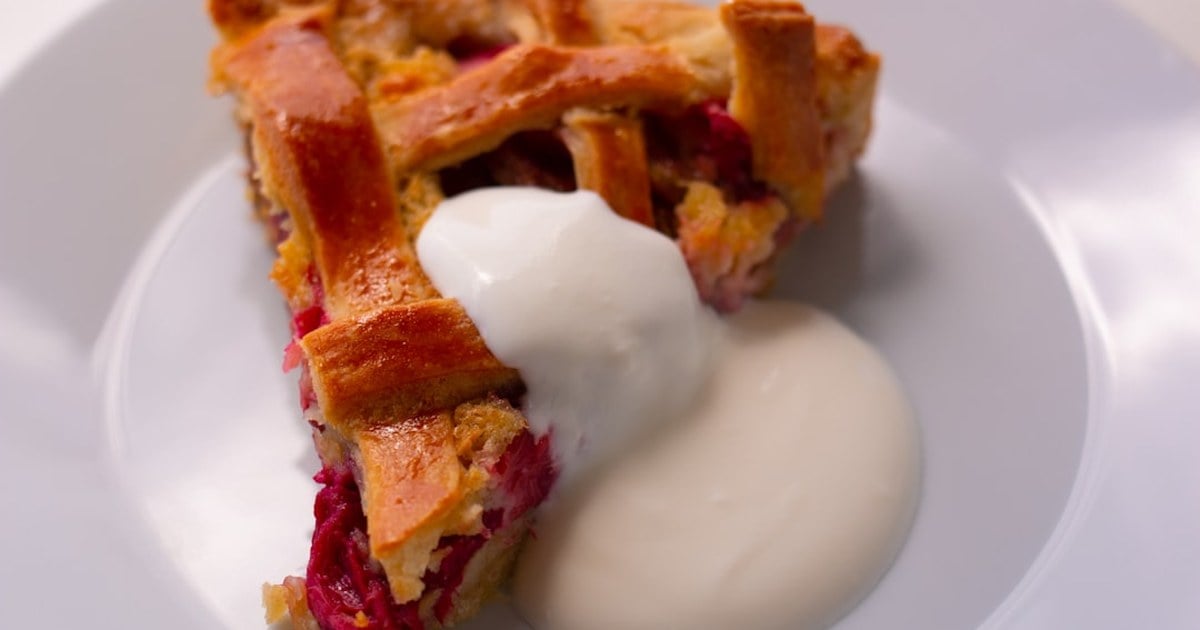
Irish Rhubarb Tart Recipe: A Classic Summer Bake from the Garden
There are few things more evocative of an Irish summer garden than the sight of fat, ruby-red rhubarb stalks pushing up through the soil in June and July. Long before supermarkets made every fruit available all year round, rhubarb was one of the great seasonal gifts of the kitchen garden — tart, vibrant, and impossibly easy to grow. For generations of Irish families, the arrival of rhubarb meant one thing above all else: it was time to make a tart. Served warm from the oven with a generous pour of cream or a scoop of vanilla ice cream, Irish rhubarb tart is the sort of dessert that exists in the memory of almost every person who grew up on the island.
Unlike many baked goods that required expensive or hard-to-source ingredients, rhubarb tart was an affordable luxury — one that even the most modest household could produce. The filling cost little more than the effort of picking and chopping, and the pastry was made from a short list of pantry staples. It became a fixture at Sunday dinners, parish fundraisers, and summer gatherings, often baked in a deep enamel dish and cut into generous wedges at the kitchen table. The recipe passed quietly from mother to daughter, rarely written down, adjusted each year depending on how sweet or sour the rhubarb had grown.
The version below uses a proper shortcrust pastry — buttery, crumbly, and just sturdy enough to hold the jammy, softened rhubarb filling without going soggy. It is a double-crust tart in the traditional Irish style, with the fruit enclosed between two layers of pastry rather than sitting in an open flan case. The result is a deep, golden, slightly rustic bake that smells extraordinary as it comes out of the oven and tastes even better. This is honest, unfussy baking at its very best.
Ingredients
- For the shortcrust pastry:
- 350g (12oz) plain flour, plus extra for dusting
- 175g (6oz) cold unsalted butter, cut into small cubes
- 2 tablespoons caster sugar
- A pinch of fine salt
- 1 large egg, beaten
- 3–4 tablespoons cold water
- For the filling:
- 700g (1½ lb) fresh rhubarb, trimmed and cut into 2cm (¾ inch) pieces
- 150g (5oz) caster sugar, plus extra for sprinkling
- 2 tablespoons plain flour
- 1 tablespoon milk or beaten egg, for glazing
Method
- Begin by making the pastry. Place the flour, salt, and sugar into a large mixing bowl. Add the cold butter cubes and rub them into the flour using your fingertips until the mixture resembles coarse breadcrumbs. Work quickly so the butter stays cold.
- Add the beaten egg and mix briefly, then add cold water one tablespoon at a time, mixing with a knife or your hands until the dough just comes together. Do not overwork it. Divide the dough into two portions — one slightly larger than the other — wrap each in cling film and refrigerate for at least 30 minutes.
- While the pastry chills, prepare the filling. Place the chopped rhubarb into a bowl, add the caster sugar and the two tablespoons of plain flour, and toss everything together well. The flour helps absorb the juices as the rhubarb cooks, preventing a soggy base.
- Preheat your oven to 200°C (400°F / Gas Mark 6). Lightly grease a deep 23cm (9 inch) pie dish or round cake tin.
- On a lightly floured surface, roll out the larger portion of pastry to a circle roughly 5mm (¼ inch) thick and large enough to line the base and sides of your dish with a little overhang. Carefully lift it into the dish, pressing it gently into the sides. Trim any excess, leaving about 1cm (½ inch) of overhang.
- Spoon the rhubarb filling evenly into the pastry case, mounding it slightly in the centre as it will sink during baking.
- Roll out the second portion of pastry for the lid. Brush the edges of the pastry base with a little milk or beaten egg, then lay the pastry lid over the filling. Press the edges together firmly to seal, then crimp all the way around with your fingers or a fork. Trim away any excess pastry.
- Brush the top of the tart with milk or beaten egg, then scatter a generous pinch of caster sugar over the surface. Cut two or three small slits in the centre of the lid to allow steam to escape during baking.
- Bake in the preheated oven for 35–40 minutes, until the pastry is deep golden and the juices are just beginning to bubble through the slits. If the edges are browning too quickly, cover them loosely with a little foil.
- Allow the tart to rest for at least 15 minutes before slicing. Serve warm with lashings of softly whipped cream, custard, or good vanilla ice cream.
Tips
- If your rhubarb is very young and thin, it may need slightly less sugar; older, greener stalks can be more sour and may need the full amount or a touch more.
- Cold butter and cold water are essential for a short, crumbly pastry — if your kitchen is warm, chill the bowl too before you start.
- The tart is best eaten on the day it is baked, but leftovers can be covered and kept for a day. A few minutes in a warm oven will refresh the pastry beautifully.
- A few tablespoons of chopped stem ginger added to the filling is a lovely variation that pairs wonderfully with the sharpness of the rhubarb.
- Always discard the rhubarb leaves — they are toxic and must never be used.
Irish rhubarb tart is one of those recipes that quietly carries a whole season within it — the long light evenings, the damp smell of a kitchen garden, the sound of a worn oven door clicking shut. However far from Ireland you might find yourself, baking this tart has a way of bringing something warm and familiar right back to the table. We hope it brings a little of that same comfort to yours.
If you love traditional Irish baking, you might also enjoy our Irish Whiskey Cake recipe, or, for a savoury take on a double-crust bake, our Beef and Guinness Pie, another Irish classic finished beneath a golden pastry lid.
☘️ Join 64,000+ Ireland Lovers
Every weekday morning, get Ireland’s hidden gems, local secrets, and travel inspiration — the kind you won’t find in any guidebook.
Subscribe free — enter your email:
📲 Know someone who’d love this? Share on WhatsApp →
Free forever · Unsubscribe anytime
Tours & experiences you might love


Powered by Viator. Some links are affiliate links — we may earn a small commission at no extra cost to you.
Secure Your Dream Irish Experience Before It’s Gone!
Planning a trip to Ireland? Don’t let sold-out tours or packed attractions spoil your journey. Iconic experiences like visiting the Cliffs of Moher, exploring the Rock of Cashel, or enjoying a guided walk through Ireland’s ancient past often sell out quickly—especially during peak travel seasons.

Booking in advance guarantees your place and ensures you can fully immerse yourself in the rich culture and breathtaking scenery without stress or disappointment. You’ll also free up time to explore Ireland’s hidden gems and savour those authentic moments that make your trip truly special.
Make the most of your journey—start planning today and secure those must-do experiences before they’re gone!