

Bread pudding is one of the simplest desserts in the Irish kitchen. It uses stale bread, eggs, milk, sugar and a handful of raisins. Nothing more is needed. It was born from a habit that ran through Irish homes for generations: you did not throw food away.
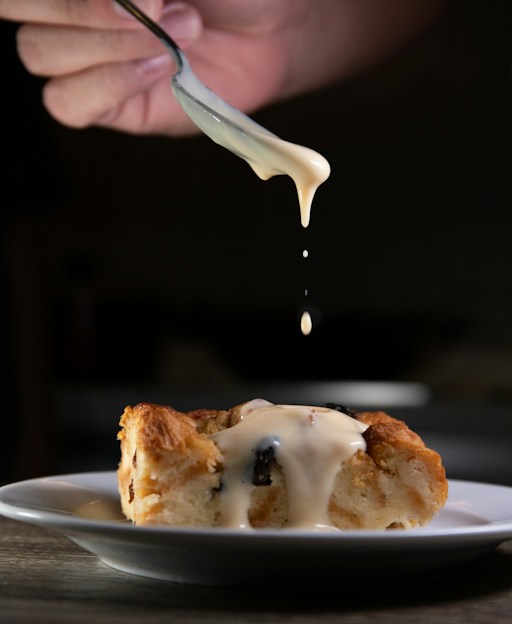
This guide explains where the dish comes from, how to make it at home, and how to serve it the way many Irish families still do.
What is Irish bread pudding?
Bread pudding is a baked dessert made by soaking stale bread in a sweet egg custard. Dried fruit, usually raisins or sultanas, is added, and the dish is baked until the top is golden and the middle is soft.
In Ireland it is often called bread and butter pudding when the slices are buttered and layered in a dish. Some families use the two names for the same thing. Others say bread pudding means torn pieces mixed through the custard, while bread and butter pudding means neat layers. Either way, the idea is the same.
It is not a fancy dish. It is home baking, made from what was already in the cupboard.
Why the Irish kitchen wasted nothing
☘️ Join 64,000+ Ireland Lovers
Every weekday morning, get Ireland’s hidden gems, local secrets, and travel inspiration — the kind you won’t find in any guidebook.
Subscribe free — enter your email:
Already subscribed? Download your free Ireland guide (PDF)
📲 Know someone who’d love this? Share on WhatsApp →
Free forever · Unsubscribe anytime
For much of Irish history, food was too precious to waste. Many households baked their own bread, and a loaf could go hard within a couple of days. Rather than bin it, cooks found ways to use it up.
Stale bread went into stuffing, soups, and puddings. A sweet bread pudding turned a few dry slices into a filling dessert for the whole family. Eggs and milk were often to hand, especially on farms, and sugar and dried fruit were small treats that made the dish feel special.
The same thrifty thinking gave Ireland its soda bread, its colcannon and its stews. Bread pudding sits in that tradition, alongside Dublin’s gur cake, another treat built from leftover stale bread.
Love Irish food stories like this? Join our free newsletter on Substack.
What you need
This recipe serves six to eight people. Quantities do not need to be exact, so use this as a guide.
- 8 to 10 slices of stale white or brown bread (about 300g)
- 50g softened butter
- 75g raisins or sultanas
- 3 large eggs
- 500ml whole milk
- 75g caster sugar
- 1 teaspoon mixed spice or cinnamon
- Pinch of nutmeg (optional)
- 1 tablespoon demerara sugar for the top
A few cooks add a splash of Irish whiskey to the raisins. If you try this, soak the fruit for 30 minutes first and keep the amount small.
How to make it, step by step
- Heat the oven. Set it to 180°C (160°C fan). Grease a baking dish of about 20cm by 25cm.
- Prepare the bread. Butter each slice. Cut the slices into triangles or squares. Crusts can stay on.
- Layer the dish. Place half the bread in the dish. Scatter over half the raisins. Add the rest of the bread, then the remaining raisins.
- Make the custard. Whisk the eggs, milk, caster sugar and spice together until smooth.
- Soak. Pour the custard slowly over the bread. Press down gently so every piece is wet. Leave it for 15 to 20 minutes.
- Top and bake. Sprinkle with demerara sugar. Bake for 35 to 45 minutes, until the top is golden and the custard is set.
- Rest. Let it stand for 10 minutes before cutting. This helps the pudding hold its shape.
Tips for a better pudding
Use bread that is properly stale
Fresh bread turns to mush. Day-old or two-day-old bread soaks up the custard and keeps some structure. If your bread is fresh, dry the slices in a low oven for ten minutes.
Do not rush the soak
The custard needs time to reach the middle of the bread. If the top looks dry before baking, spoon a little more custard over it.
Watch the oven
If the top browns too quickly, cover the dish loosely with foil for the last 10 minutes. A knife pushed into the centre should come out clean, with no raw egg on it.
Choose the right fruit
Raisins are the classic choice. Sultanas work well and are a little milder. Currants give a darker, tarter taste. Chopped dried apricots are also a nice change.
How to serve bread pudding
Many people like it warm, cut straight from the dish. That is how it is often served at home. There are several simple ways to finish it:
- Custard. Warm vanilla custard poured over the top is the most common choice.
- Cream. Pouring cream or whipped cream cuts through the sweetness.
- Ice cream. A scoop of vanilla melts nicely into a warm slice.
- Butter sauce. A little melted butter, sugar and cream makes a rich topping.
- A cup of tea. It goes with a slice cold, too, which is how many people eat the leftovers the next day.
Get Irish recipes and traditions in your inbox. Subscribe to our free newsletter.
Storing and reheating
Cover leftover pudding and keep it in the fridge for up to three days. Reheat single slices in the microwave for 30 to 45 seconds, or warm a whole dish in the oven at 150°C for about 15 minutes. Because it contains egg and milk, do not leave it out at room temperature for long.
You can also freeze individual portions. Wrap each slice well and thaw it in the fridge overnight before reheating.
Other ways to use leftover bread
If you have more stale bread than one pudding needs, try these:
- Breadcrumbs. Blitz the bread and freeze it for coatings and toppings.
- Bread sauce. A creamy, spiced sauce often served with roast poultry.
- Soup thickener. Add a slice to vegetable soup for body.
- Savoury stuffing. Mix with onion, herbs and butter.
- French toast. Soak slices in egg and milk, then fry until golden.
Where bread pudding fits in Irish food today
Bread and butter pudding still appears on dessert menus in pubs, cafes and hotels across Ireland, often with custard on the side. It is also a popular dish for Sunday dinners and family gatherings. Many cooks say their own version came from a mother or grandmother, with the recipe never written down.
That is part of its charm. Every kitchen makes it slightly differently: more fruit, less sugar, brown bread instead of white, or a drop of whiskey in the mix. If you are visiting Ireland, look for it on the dessert list at a traditional pub or guesthouse and compare it with your own. It keeps good company with other patient, old-fashioned Irish sweets, such as the classic Irish Christmas pudding.
Your turn
What did your family make with the leftover bread? Perhaps it was a pudding like this one, or something savoury. Many of these dishes are never written down, and they are worth keeping alive. Share your memories with family, and try the recipe above this week.
Never miss a story. Subscribe to Love Ireland on Substack for free.
Photo: Amanda Lim on Unsplash
Tours & experiences you might love


Powered by Viator. Some links are affiliate links — we may earn a small commission at no extra cost to you.
Secure Your Dream Irish Experience Before It’s Gone!
Planning a trip to Ireland? Don’t let sold-out tours or packed attractions spoil your journey. Iconic experiences like visiting the Cliffs of Moher, exploring the Rock of Cashel, or enjoying a guided walk through Ireland’s ancient past often sell out quickly—especially during peak travel seasons.

Booking in advance guarantees your place and ensures you can fully immerse yourself in the rich culture and breathtaking scenery without stress or disappointment. You’ll also free up time to explore Ireland’s hidden gems and savour those authentic moments that make your trip truly special.
Make the most of your journey—start planning today and secure those must-do experiences before they’re gone!