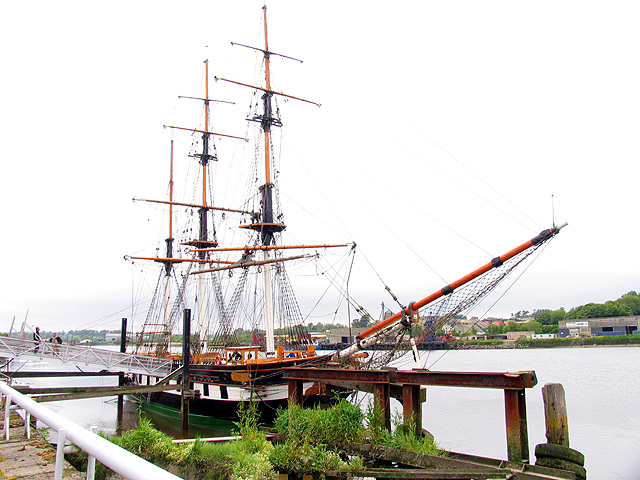
Tracing Your Roots in County Wexford: A Heritage Guide for Irish-Americans
Trace your Wexford roots with this heritage guide — Dunbrody Famine Ship, Kennedy Homestead, parish records and townland research for Irish-Americans.


Trace your Wexford roots with this heritage guide — Dunbrody Famine Ship, Kennedy Homestead, parish records and townland research for Irish-Americans.
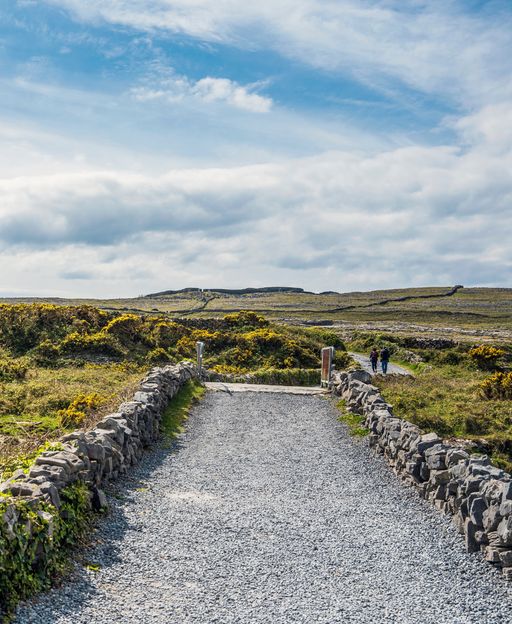
Discover what living in County Galway, Ireland is really like — from Galway City’s vibrant trad scene to Connemara’s wild Atlantic coastline and close communities — plus get weekly Ireland stories free in our newsletter.
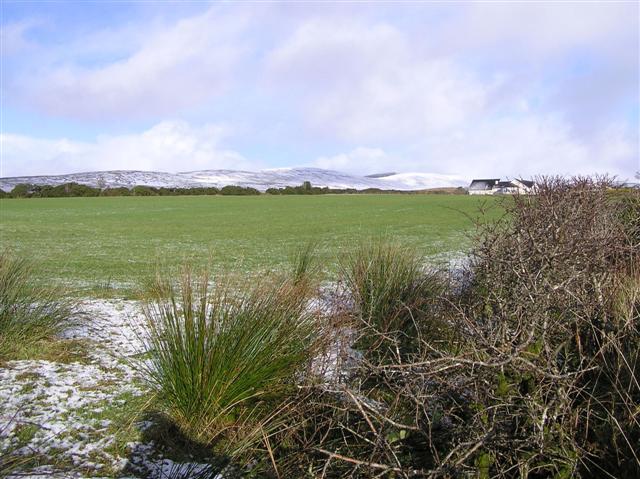
Kenneth Allen, CC BY-SA 2.0, via Wikimedia Commons If you’ve ever dreamed of standing on the land your ancestors worked, this changes everything. The National …
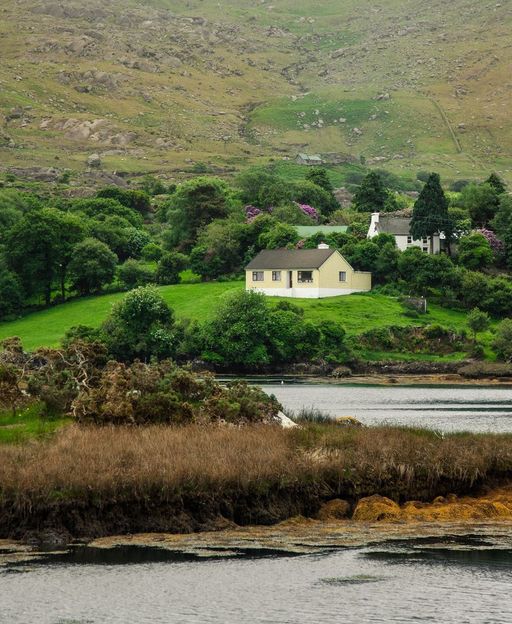
Irish townlands are ancient land divisions still used in Ireland today. Learn how many there are, what they mean, and how to find the specific townland your ancestors came from — plus get weekly Ireland stories free in our newsletter.
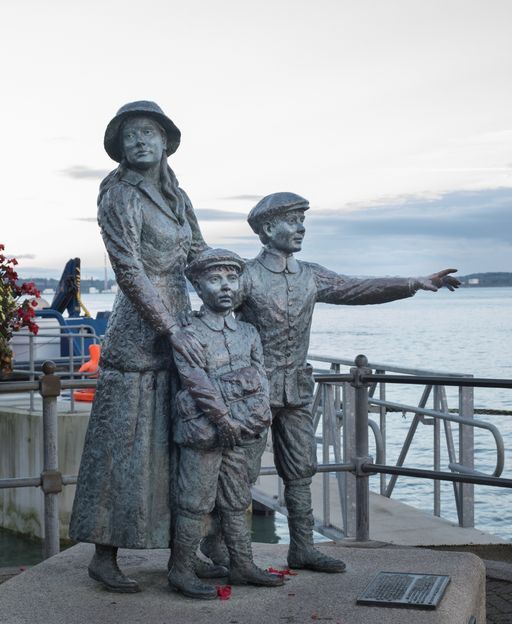
Find out which Irish port your ancestors left from — Cobh, Derry, Dublin or Belfast — using free ship records and genealogy resources. Plus get weekly Ireland stories free in our newsletter.
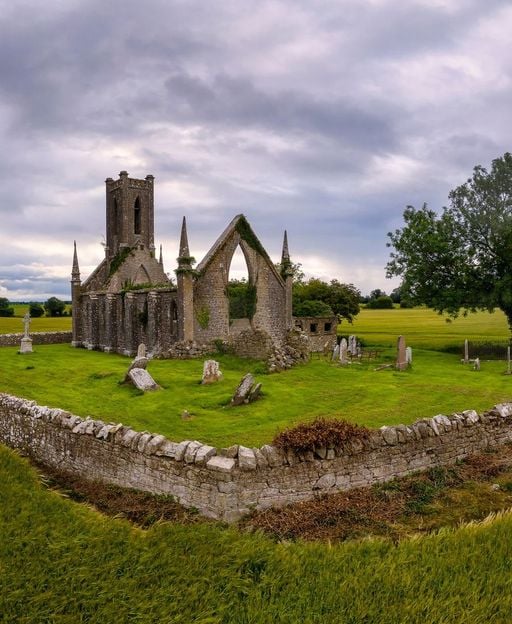
Irish parish records are the most important genealogical source for tracing ancestors before 1864, with over 11 million records now freely searchable online — plus get weekly Ireland stories free in our newsletter.
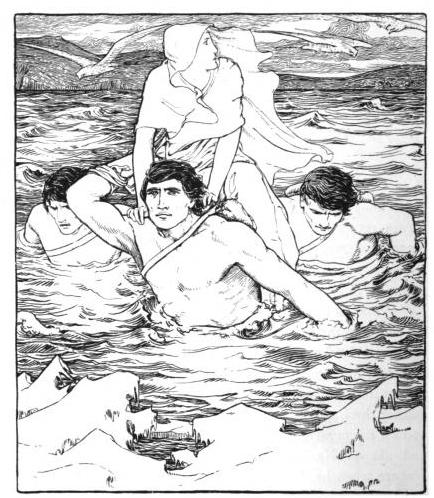
The story of Oisín and Tír na nÓg — the warrior poet who went to Ireland’s Land of Eternal Youth and returned to find 300 years had passed — is one of the most profound legends in Irish mythology. Get weekly Ireland stories free in our newsletter.
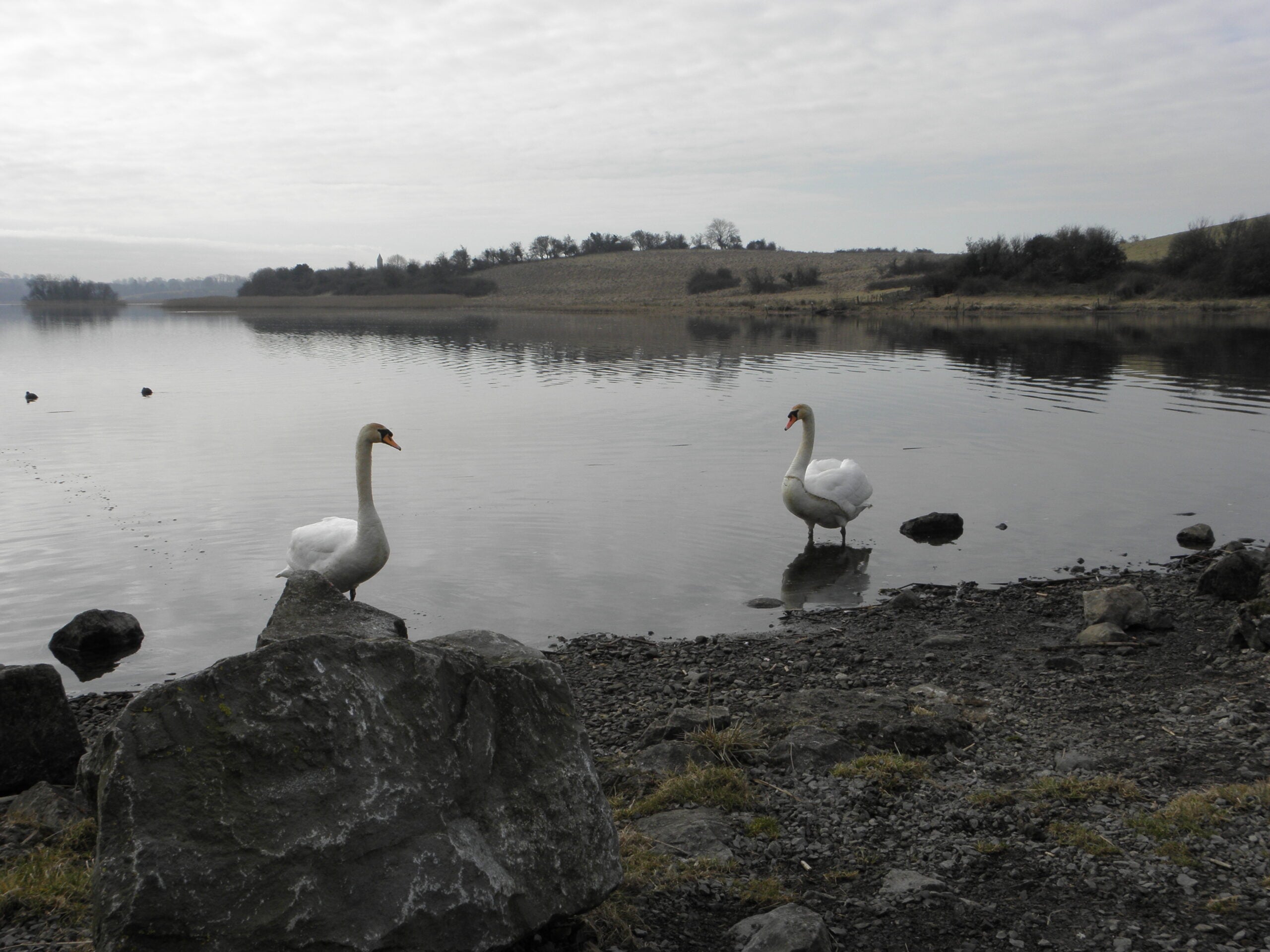
The Children of Lir is one of Ireland’s oldest and most heartbreaking myths. Discover the legend of King Lir’s four children, transformed into swans for 900 years across Ireland’s lakes — plus get weekly Ireland stories free in our newsletter.
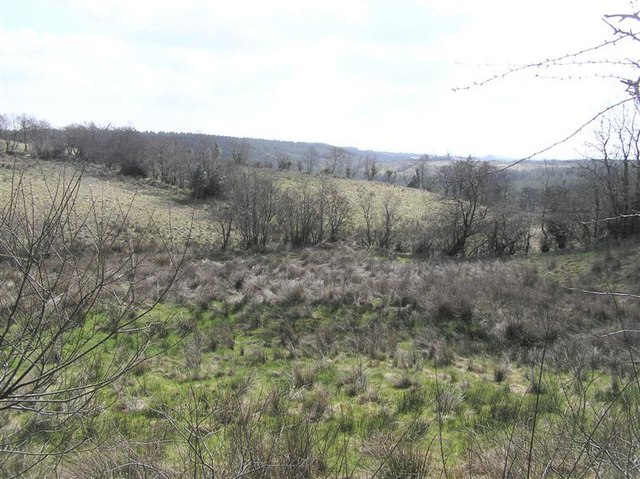
October is Family History Month. Find the Irish townland your ancestors called home — free step-by-step guide with 1926 Census tips. Join 64,000+ Ireland lovers.
There are stretches of the Irish coastline where old people will warn you not to look a seal in the eye. Not out of superstition …