

On the night of 30 April, something ancient stirs across Ireland. For thousands of years — before calendars, before clocks, before Christianity arrived to rename the seasons — every fire in Ireland was extinguished. Every hearth, every forge, every torch. And then, from the high hilltops, the bonfires were lit.
That was Bealtaine. And it is older than almost anything still practised in the Western world.
What Is Bealtaine?
The name comes from the Old Irish bel — possibly meaning “bright” or connected to a deity of summer — and teine, meaning fire. Literally: the bright fire. It fell on 1 May, marking the midpoint between the spring equinox and the summer solstice, one of four great festivals that divided the ancient Celtic year.
The others were Samhain, Imbolc, and Lúnasa. Together they formed the skeleton of the Irish seasonal calendar — and Bealtaine was the hinge between darkness and light.
For the ancient Irish, Bealtaine was not a single day. It was a threshold. The world was crossing from the cold, dangerous half of the year into the warm, growing half. And thresholds, in Irish belief, are always places where the rules break down.
The Two Fires Ritual
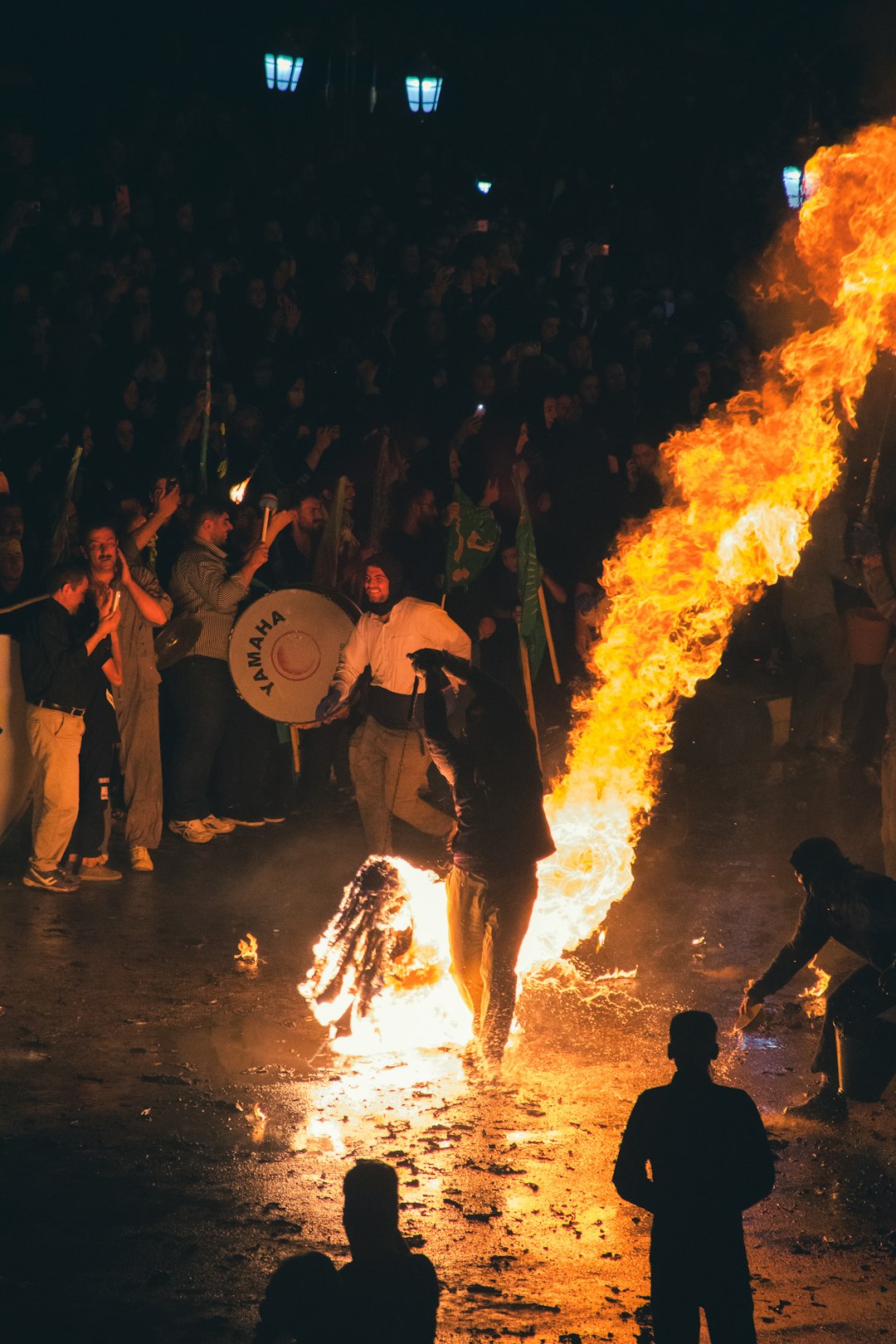
The centrepiece of Bealtaine was the twin bonfires. According to medieval Irish texts, two great fires were lit on high ground — often by druids using sacred oak wood, kindled at the same moment from a single flame. Then the cattle were driven between them.
This was not merely symbolic. The smoke was believed to purify the animals, protecting them from disease before the summer grazing season began. The people followed, walking between the fires themselves. Farmers brought ploughs through the smoke. Mothers carried newborn babies.
In a world without veterinary science or antibiotics, the ritual worked — at least in part. Smoke genuinely repels insects, and the community gathering enforced the practical habits of the season: moving herds to summer pastures, inspecting livestock, repairing what winter had broken. Faith and function were never far apart in old Ireland.
The May Bush and the Morning Dew
Bealtaine was also about the power of May morning itself. Women rose before sunrise to wash their faces in the dew — believed to bring beauty, health, and good fortune through the year ahead. Some visited holy wells. Some collected dew from grass in a cloth and brought it indoors before speaking to anyone.
A May bush — a hawthorn branch decorated with ribbons, shells, and yellow flowers — was placed at the door of homes and cattle byres. The hawthorn blooms exactly at Bealtaine, its white blossoms the visible signal of summer’s arrival, impossible to miss on every hedgerow in Ireland.
Hawthorn trees are still treated with deep respect in rural Ireland. You will find farmers today reluctant to cut one down even when it stands inconveniently in a field. Some things are older than practicality — and the Irish have always known it.
The Fairy Danger
Bealtaine was one of two nights in the year when the world was genuinely dangerous — the other being Samhain, when the dead walked freely. At Bealtaine, the aos sí — the fairy folk — were at their most active and their most mischievous.
Milk was at risk of being stolen. Butter would not churn if a neighbour had worked a piséog — a magical charm — against the household. A stranger who came asking for a coal from your fire was to be turned away without ceremony, lest they carry the luck of the house away with them.
Yellow flowers were placed on every threshold: primroses, marsh marigolds, buttercups. Yellow was the colour of protection and of the summer sun. Rowan branches were hung above doors. Iron was positioned where fairies might cross. The whole community was quietly at war with the invisible world — and everyone knew the rules.
Bealtaine Today
Bealtaine never fully disappeared. It retreated into folk memory, into the word people used for May without always knowing why. Mí na Bealtaine — the month of Bealtaine — is still the Irish language name for May, spoken every day on radio and in schools across the country.
The Hill of Uisneach in County Westmeath — considered the symbolic centre of ancient Ireland, the place where all five provinces once met — now hosts an annual Bealtaine fire festival each May. The bonfires are lit as the sun sets over the midlands. Thousands come to watch. The ritual is the same as it always was.
If you are planning a trip to Ireland, May puts you in the most mythologically charged month of the Irish year — the month the old world lit fires on every hill to welcome the light back.
For more stories from Ireland’s ancient calendar — told the way they were always meant to be heard — the Love Ireland newsletter goes deep each week into the traditions that shaped this island.
The Light That Never Went Out
There is something quietly extraordinary about knowing that, on any 1 May morning in Ireland, you are standing in a landscape that has marked this exact moment for over two thousand years. The hawthorn is still blooming. The hills are still green. And somewhere, someone is still watching for dew on the grass before the rest of the world wakes up.
The fire was never really put out. It just went underground, the way old things do in Ireland, and waited.
☘️ You Might Also Love
☘️ Want More Hidden Ireland?
Join 64,000+ subscribers who discover Ireland’s best-kept secrets every week.
Subscribe Free — Join the Community →
Free forever · Unsubscribe anytime · No spam
📥 Free Download: Ireland Travel Planning Guide
Our most popular resource — itineraries, insider tips, and the 50 places you must not miss.
Tours & experiences you might love


Powered by Viator. Some links are affiliate links — we may earn a small commission at no extra cost to you.
Secure Your Dream Irish Experience Before It’s Gone!
Planning a trip to Ireland? Don’t let sold-out tours or packed attractions spoil your journey. Iconic experiences like visiting the Cliffs of Moher, exploring the Rock of Cashel, or enjoying a guided walk through Ireland’s ancient past often sell out quickly—especially during peak travel seasons.

Booking in advance guarantees your place and ensures you can fully immerse yourself in the rich culture and breathtaking scenery without stress or disappointment. You’ll also free up time to explore Ireland’s hidden gems and savour those authentic moments that make your trip truly special.
Make the most of your journey—start planning today and secure those must-do experiences before they’re gone!