

In Ireland, a crow on a wall that holds your gaze for just a moment too long is rarely ignored. Nobody will say why out loud. But most Irish people know, at some level, that something older is being pointed to. The Morrigan has never fully left.
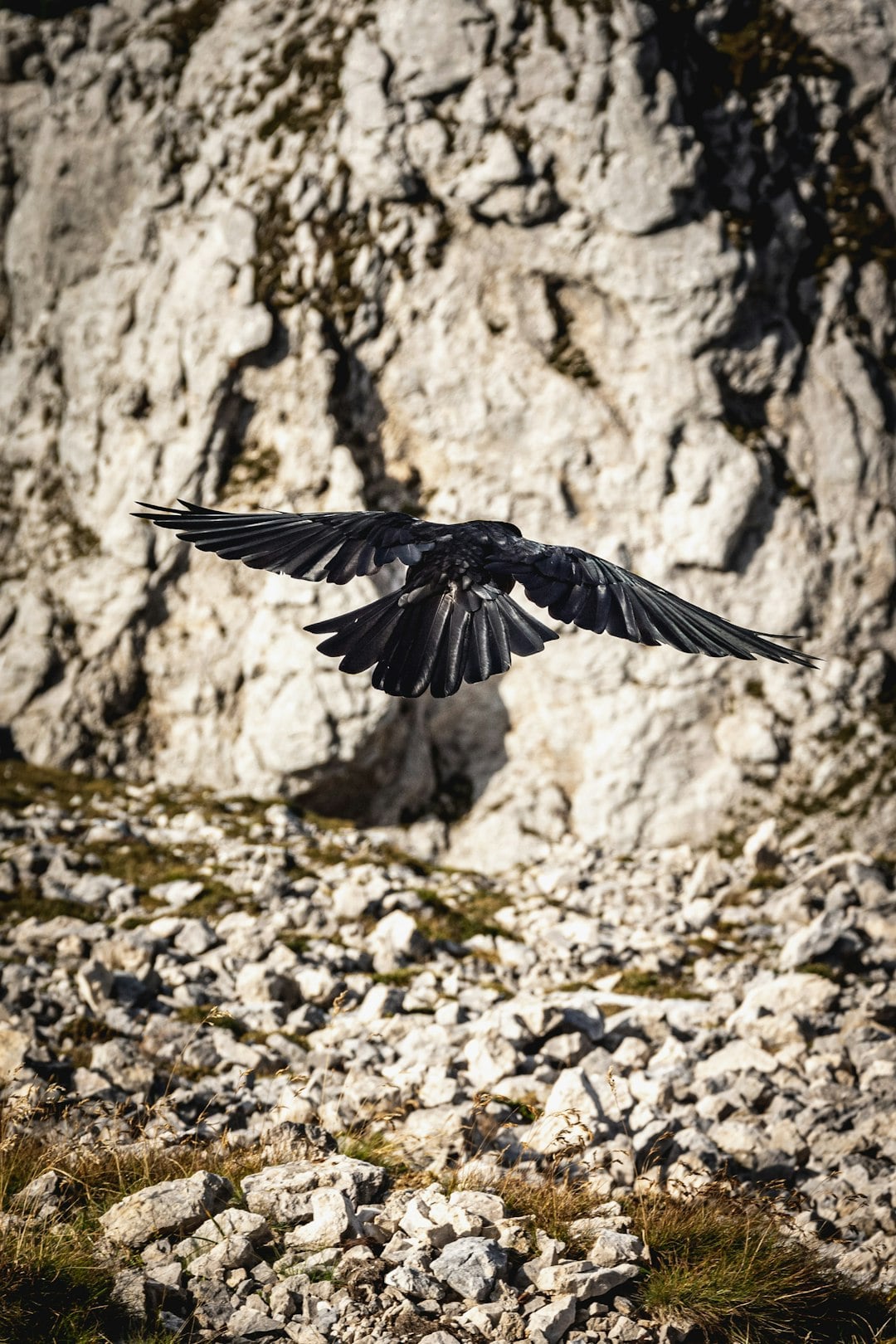
The Goddess Nobody Forgot
The Morrigan is one of the oldest figures in Irish mythology. She appears in manuscripts written by medieval monks who preserved the ancient stories, though they were sometimes clearly unsettled by what they were writing down.
She is a goddess of fate, sovereignty, and transformation. But she is also a shapeshifter, a prophetess, and a presence that tends to linger at the edges of things — at river crossings, at borders, at the moments just before everything changes.
She is not a war goddess in the way we might picture one. She does not carry a sword. She decides who wins. There is a difference, and the Irish have always understood it.
She belongs to the Tuatha Dé Danann, the ancient race that ruled Ireland before the arrival of the Milesians. They retreated into the hills and mounds when they were defeated — but they never disappeared. The Morrigan less than most. You can read more about the shapeshifting spirits of Irish folklore and how deeply they still root into everyday life.
The Three Faces of the Morrigan
The Morrigan is often described as a triple goddess. Her three aspects are named differently across the old texts, but the core three are consistent:
Badb is the crow of battle. She flew above the battlefield, her shrieking heard before great defeats. Her name means something close to “scald crow” — a word that contains within it both the bird and the dread.
Macha is connected to the land, to horses, and to the sovereignty of Ireland itself. No king could rule without her sanction. Her name is embedded in the landscape — Armagh, in Irish Ard Mhacha, carries it still.
Nemain is the spirit of panic and frenzy, the one who could cause an army to turn on itself in the dark before a battle had even started.
Together, they form what the old texts call simply the Morrigan. She is one presence and three at once, depending on what a moment needs.
The Day She Chose a Warrior
The Morrigan’s most enduring story involves Cú Chulainn, the great Ulster warrior. She appeared to him in many forms — as a young woman, as a heifer, as an eel in a ford, as a grey wolf on a hillside.
She offered herself to him as a companion. He refused her, not recognising what he was declining. From that moment, she placed obstacles in his path — not to destroy him, but to test him to the limit of what he was.
When Cú Chulainn finally died, he tied himself to a standing stone so he would not fall. His enemies held back for hours, uncertain whether he still lived. Then a crow landed on his shoulder. And they knew.
That image — the warrior, the stone, the crow — has been part of the Irish imagination ever since. It appears in street art in Belfast. In jewellery made in Galway. In tattoos on people who have never opened a mythology text in their lives.
☘️ Enjoying this? 64,000+ Ireland lovers get stories like this every week. Subscribe free →
Why Crows Still Mean Something in Ireland
The Irish word for rook or crow — préachán — is one of those words that sounds exactly like what it describes. There are crows everywhere in Ireland: in the fields behind old ringforts, on the gables of ruined abbeys, perched on the walls of castle yards.
In the countryside, some still say it is bad luck to harm a crow. Others will quietly greet one, or acknowledge it with a nod. There is rarely an explanation offered for why. It is simply what you do.
The Morrigan never required temples or an organised faith to survive. She survived in small habits — in the pause before you look away from a crow that is watching you from a field wall. She survived in the same way the banshee survived: not because people believe in her literally, but because no one is quite ready to stop believing either.
She survived, most of all, in the landscape. Her name lives in rivers, fords, and hills, carrying her memory without anyone needing to explain it to a single generation.
Where Her Presence Lingers Today
The Morrigan is most strongly connected to County Roscommon. The ancient site of Rathcroghan — in Irish Cruachan — is a complex of earthworks, mounds, and monuments spread across the countryside near the village of Tulsk.
Rathcroghan was the seat of the kings of Connacht and one of the great royal sites of ancient Ireland. Beneath part of the complex is the Cave of Cats, known in Irish as Uaimh na gCat. Ancient texts identify this as an entrance to the Otherworld — and specifically, as the Morrigan’s own dwelling place.
The cave is a natural limestone fissure in the earth, with almost nothing to mark it from the outside. Standing at it on a grey morning, with the flat fields of Roscommon stretching in every direction and no other visitors in sight, it is easy to understand why the old stories located something ancient and powerful here.
Rathcroghan is not heavily visited. That is part of what makes it remarkable. If you are planning a trip to Ireland, it rewards anyone willing to go slightly off the obvious path.
Go quietly. Bring no particular expectations. The landscape, in that part of Ireland, does most of the work for you.
The Morrigan is not a comforting figure. She does not offer reassurance. But there is something deeply Irish about her — the idea that fate cannot be avoided, that the land remembers what we have forgotten, and that presence does not need a name to be felt.
The next time a crow holds your gaze a moment longer than it should, you will probably think of her. And you will understand, in a way that needs no explanation, why the Irish have never quite let her go.
☘️ You Might Also Love
☘️ Join 64,000+ Ireland Lovers
Every Friday, get Ireland’s hidden gems, local secrets, and travel inspiration — the kind you won’t find in any guidebook.
Love more? Join 43,000 Scotland lovers → · Join 30,000 Italy lovers → · Join 7,000 France lovers →
Free forever · · Unsubscribe anytime
Tours & experiences you might love


Powered by Viator. Some links are affiliate links — we may earn a small commission at no extra cost to you.
Secure Your Dream Irish Experience Before It’s Gone!
Planning a trip to Ireland? Don’t let sold-out tours or packed attractions spoil your journey. Iconic experiences like visiting the Cliffs of Moher, exploring the Rock of Cashel, or enjoying a guided walk through Ireland’s ancient past often sell out quickly—especially during peak travel seasons.

Booking in advance guarantees your place and ensures you can fully immerse yourself in the rich culture and breathtaking scenery without stress or disappointment. You’ll also free up time to explore Ireland’s hidden gems and savour those authentic moments that make your trip truly special.
Make the most of your journey—start planning today and secure those must-do experiences before they’re gone!