

On the first of May, before the rest of the household stirred, Irish women slipped out into the fields.
Not to work. Not to tend cattle. To wash their faces in the morning dew.
This was Bealtaine — the ancient Celtic festival that marked the first day of summer. And the magic, according to every grandmother who ever lived in rural Ireland, was in the grass itself.
The Dew That Only Appeared Once a Year
The dew of May morning was not ordinary water.
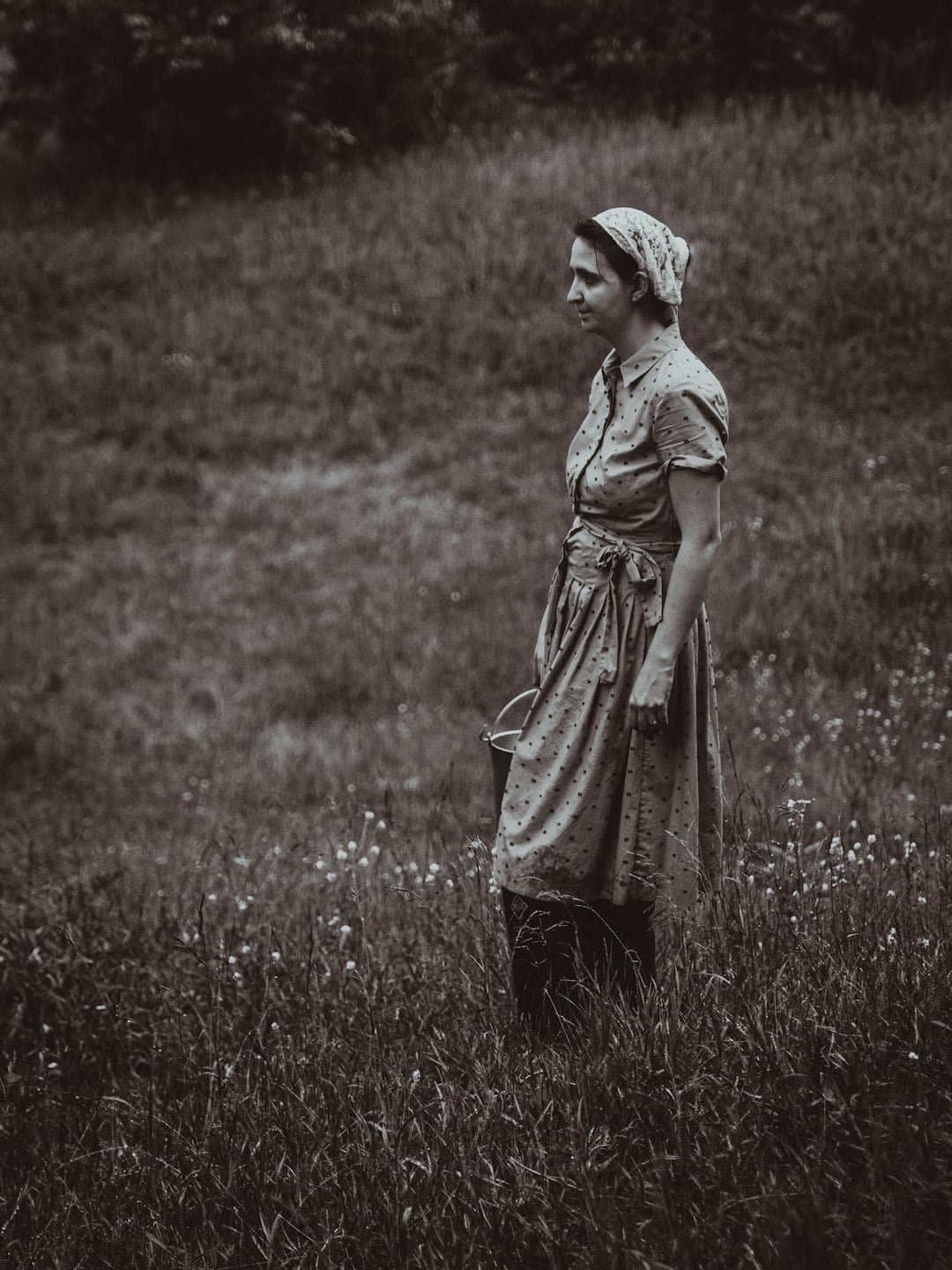
Collected from grass, leaves, or the hollow of a stone before sunrise, it was believed to soften skin, clear blemishes, and bring beauty that would last through the year. Women and girls moved quietly through the fields, trailing their fingers through the wet grass, pressing handfuls to their cheeks while the horizon was still grey.
The ritual had to happen before dawn. Once the sun rose fully, the magic was gone for another year.
Older women taught younger ones where to find the deepest dew — in low-lying hollows, along shaded hedgerows, in fields where the cattle had not yet walked. The knowledge passed from mothers to daughters as naturally as a recipe. No book required.
The Yellow Flowers That Guarded the Door
The dew was just the beginning.
On May morning, households gathered armfuls of yellow wildflowers — primroses, buttercups, gorse blossom — and scattered them across doorsteps, window ledges, and thresholds. Yellow was the colour of Bealtaine, the colour of the returning sun, and placing it at your entrance was a declaration that your household was ready for the summer ahead.
But this wasn’t decoration. It was protection.
Flower garlands went on the byres and stables too. Cattle were garlanded. The same flowers were woven into the tails of cows and pressed into cracks above doors. The belief was plain: the fairy world was at its most active on the turning days of the year, and every home needed to signal that it was claimed and defended.
The hawthorn tree — known across Ireland as the fairy tree — was never cut on this day. Those who knew better stayed well clear of it.
The Neighbour Who Might Be Stealing Your Butter
No time of year made the Irish more watchful of their neighbours.
Bealtaine was also the season of piseogs — magical mischief aimed at stealing your household’s luck. If a stranger appeared at your door before you’d had your own breakfast on May morning, you were within your rights to refuse them. Giving away fire, milk, or salt before noon was believed to send your dairy luck out the door along with it.
Butter was the most vulnerable thing. A household that churned poorly through the summer might suspect their luck had been taken — buried in a rival’s field as a rotting egg, placed at a crossroads in a clay vessel, or whispered over by someone who knew the old words.
Nobody accused anyone directly. But everyone watched. And everyone checked their threshold first thing each May morning for any object left there in the dark.
☘️ Enjoying this? 64,000+ Ireland lovers get stories like this every week. Subscribe free →
The Night Before — and the Fire That Changed Everything
The customs of Bealtaine morning were matched by what happened on May Eve.
Every hearth fire in a townland was extinguished before dark. Then, on the hilltops, the communal bonfires were lit — huge fires visible across valleys, drawing people from miles away. When the flames burned low, cattle were driven between them or through the smoke, purifying the herd for the season ahead.
Households could only relight their own fires from the communal source. The new season required new fire, clean and shared. That principle mattered deeply to people whose survival depended on their neighbours.
You can read more about the bonfires that lit every hillside in Ireland — a tradition that ran unbroken for more than two thousand years.
What Survives of Bealtaine Today
Bealtaine is not entirely gone.
At the Hill of Uisneach in County Westmeath — the ancient ceremonial centre of Ireland, where the mythological navel of the country is said to be — a Bealtaine fire is still lit each May. Hundreds come to watch. The hill is the meeting point of Ireland’s five ancient provinces, and standing on it on May Eve feels like standing in the middle of something much older than memory.
In rural Ireland, older people still scatter primroses on the doorstep on May morning. Some still take the first walk of the day to a low-lying field before the sun rises high — not entirely sure why, just as their grandmother did, and her grandmother before her.
If you’re planning a trip to Ireland and May is on the calendar, consider rising early on the first morning. Walk somewhere green before the dew burns off. You won’t be the first to have done it.
A Tradition Older Than the Country Itself
Ireland is full of things that have outlasted every law, every invasion, and every century of forgetting.
The Bealtaine customs are among the oldest. They predate Christianity. They predate written history. They belong to a time when the turning of the seasons wasn’t a calendar event but a survival matter — when good weather, healthy cattle, and a generous harvest were the difference between a full winter and a very hungry one.
The May morning dew ritual was never just about beauty. It was about stepping outside before the world fully woke, and claiming your place in it. Saying: we are here, we are careful, we are paying attention.
That is a tradition worth knowing.
☘️ You Might Also Love
Tours & experiences you might love


Powered by Viator. Some links are affiliate links — we may earn a small commission at no extra cost to you.
Secure Your Dream Irish Experience Before It’s Gone!
Planning a trip to Ireland? Don’t let sold-out tours or packed attractions spoil your journey. Iconic experiences like visiting the Cliffs of Moher, exploring the Rock of Cashel, or enjoying a guided walk through Ireland’s ancient past often sell out quickly—especially during peak travel seasons.

Booking in advance guarantees your place and ensures you can fully immerse yourself in the rich culture and breathtaking scenery without stress or disappointment. You’ll also free up time to explore Ireland’s hidden gems and savour those authentic moments that make your trip truly special.
Make the most of your journey—start planning today and secure those must-do experiences before they’re gone!