

If you arrived at an Irish chieftain’s gate a thousand years ago with nothing but the clothes on your back, you were legally entitled to a meal, a bed, and whatever you needed for the next morning’s journey. Refusing you would have been not just rude — it would have been a crime.
That is not sentiment. It was written into the law of the land — and the Irish took it seriously for more than a thousand years.
The Law Behind the Welcome
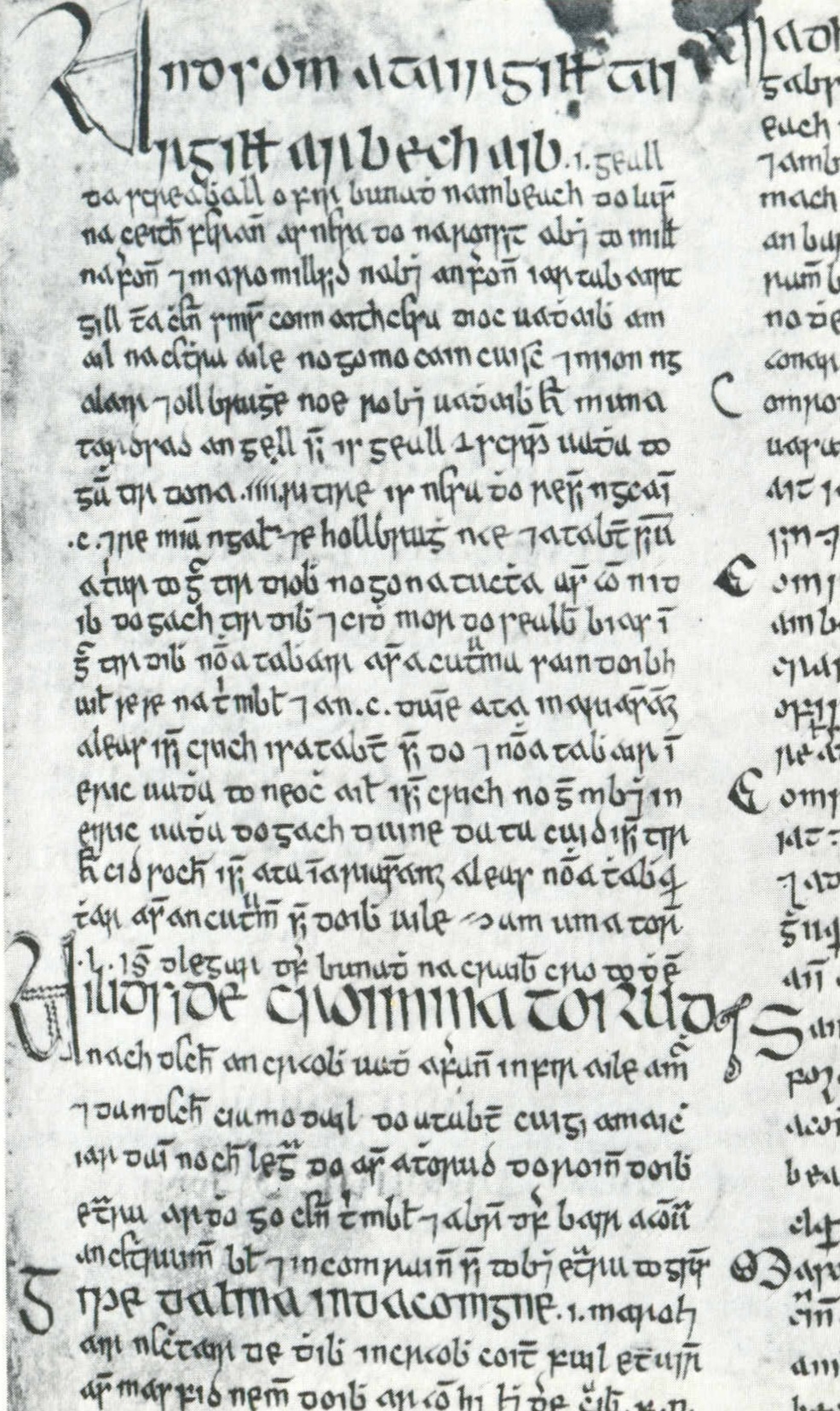
The ancient Brehon Laws of Ireland contained a remarkable provision: every person of rank had a legal duty to provide hospitality to visitors. This was not merely custom. It was enforceable law, codified alongside rules about land, inheritance, and marriage.
The level of hospitality owed depended on social rank. A small farmer might owe a traveller a night’s shelter and a simple meal. A provincial king owed far more — roasted meat, mead, music, and lodging for his entire retinue. There was no opting out.
Refusing a legitimate traveller without just cause carried real consequences. A host could face a fine, lose standing in the community, and — perhaps most feared of all — become the subject of a poet’s satire.
The Bruidhean: Ireland’s Ancient Roadhouses
The Brehon system did not leave hospitality to chance. Across Ireland, at key road junctions and river crossings, the kings maintained a network of public hospitality houses known as bruidheanna (singular: bruidhean).
These were not inns. They charged nothing. Maintained by the king’s resources, they stood open to all travellers, at all hours, without question. No one was turned away.
Medieval texts describe six great bruidheanna of ancient Ireland. The most famous, the Bruidhean Dá Derga in Leinster, appears repeatedly in Irish sagas — a place of refuge, great feasting, and the sacred obligation of welcome. To attack a bruidhean, or to harm a guest within one, was among the worst offences in Brehon law.
The Shame That Could Ruin a Family
Inhospitality was not merely frowned upon. In a society built on honour and reputation, the shame ran deep. The word for a stingy, unwelcoming person — duine gan chroí, a person without a heart — was among the worst insults in the Irish language.
Poets held real power in early Irish society. A chieftain who failed in generosity could expect a satirical poem — an áer — that followed his name for generations. These poems were believed to cause genuine harm, eroding the standing of the mean-spirited and their descendants.
Generosity, by contrast, was the mark of true leadership. A lord who gave freely attracted warriors, poets, and craftsmen. Reputation was currency, and hospitality was its clearest expression.
☘️ Enjoying this? 64,000+ Ireland lovers get stories like this every week. Subscribe free →
Guaire of Connacht — Ireland’s Most Famous Host
The name most closely linked to legendary Irish generosity is Guaire Aidne mac Colmáin, a 7th-century king of Connacht. His reputation for open-handed giving became so embedded in Irish memory that his name survived the centuries in stone.
Dunguaire Castle, which stands on the shores of Galway Bay near the village of Kinvara in County Galway, was built on the site of Guaire’s original fortress. Stories of his generosity circulated long after his death — that he refused no request, turned away no guest, and regarded his own comfort as secondary to a stranger’s need.
The castle that carries his legacy still stands today. Inside its walls, visitors can attend a medieval banquet — a living echo of the feasts for which this site was once renowned. If you are planning a trip to Ireland, Kinvara and Dunguaire Castle deserve a place on your route.
Why the Irish Welcome Still Endures
The Brehon legal system was dismantled in the 17th century. But something of its spirit refused to leave. The Irish instinct to feed, shelter, and welcome a visitor did not require a law to sustain it — it had already become part of the culture’s DNA.
The phrase Céad Míle Fáilte — a hundred thousand welcomes — appears on signs at every port and airport in Ireland. It predates the tourist industry by well over a thousand years. In its original form, it was not a slogan. It was an obligation.
When an Irish person presses food on a visitor, refills your glass before you have noticed it is empty, or waves away any mention of payment, they are not simply being polite. They are carrying forward a culture that once had the force of law behind it.
Dunguaire Castle still stands at the edge of Galway Bay, its reflection caught in the still water at dusk. Whatever brought you to Ireland, the country’s instinct to welcome you runs far deeper than any guidebook can explain. It always did.
☘️ You Might Also Love
Free forever · · Unsubscribe anytime
Tours & experiences you might love


Powered by Viator. Some links are affiliate links — we may earn a small commission at no extra cost to you.
Secure Your Dream Irish Experience Before It’s Gone!
Planning a trip to Ireland? Don’t let sold-out tours or packed attractions spoil your journey. Iconic experiences like visiting the Cliffs of Moher, exploring the Rock of Cashel, or enjoying a guided walk through Ireland’s ancient past often sell out quickly—especially during peak travel seasons.

Booking in advance guarantees your place and ensures you can fully immerse yourself in the rich culture and breathtaking scenery without stress or disappointment. You’ll also free up time to explore Ireland’s hidden gems and savour those authentic moments that make your trip truly special.
Make the most of your journey—start planning today and secure those must-do experiences before they’re gone!
Subscribe Free