

Drive through almost any county in Ireland and you will notice something odd. A single tree, standing alone in the centre of a ploughed field — a fairy thorn. The farmer has worked around it for generations, and nobody — not once — has asked a digger to take it down.
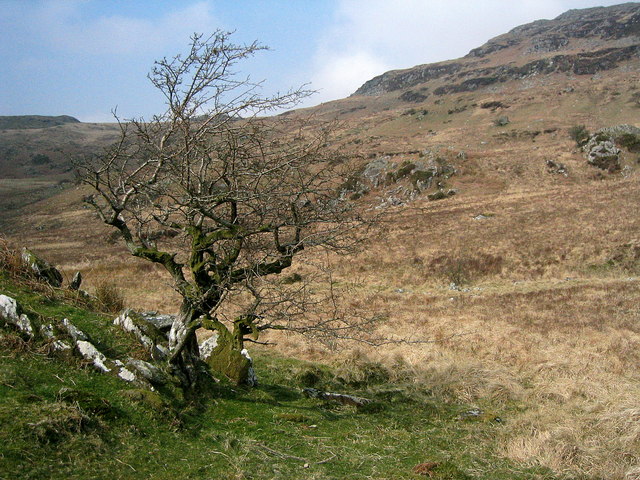
The Tree Nobody Will Touch
For centuries, certain trees in Ireland have been left standing no matter what. These are the fairy thorns — lone hawthorns, and occasionally lone ash or elder trees — that ancient Irish tradition has long considered the property of the sídhe, the fairy people who live beneath the land.
They are not difficult to spot. Where every other tree in a field has been cleared for agriculture, the fairy thorn stands alone, its branches spreading freely while tractors curve around it in careful arcs. Some of these trees are hundreds of years old. Others have been growing in the same spot since before the surrounding fields were first turned.
To an outsider, it looks like a practical quirk. To the Irish farmer who owns that land, it is no quirk at all.
What the Old People Knew
The belief is simple and serious. The hawthorn tree — called sceach in Irish — is a known gateway to the Otherworld. The sídhe live beneath the hills and ancient ring-forts of Ireland, and where a fairy thorn grows, you are standing at the edge of their territory.
To cut one down is to invite catastrophe. Illness, the failure of livestock, the breakdown of a family — these were the traditional consequences of disturbing a fairy thorn. The stories are not ancient legends, either. They are told in living memory, passed between neighbours with the certainty of fact.
Farmers across Clare, Galway, and Tipperary still recount what happened to the man who cleared a lone bush from his land. The house fell quiet. The cattle grew sick. He moved on within the year. Nobody in the village was surprised.
The Road That Had to Move
The most famous modern test of the fairy thorn belief came in 1999, when County Clare planners proposed a road bypass (the N18) near Newmarket-on-Fergus. The route would have required the removal of a celebrated fairy bush — the Latoon fairy bush, a lone hawthorn that had stood beside a ring-fort for generations.
Seanchaí Eddie Lenihan, one of Ireland’s most respected traditional storytellers, went public with his objection. He did not argue archaeology or ecology. He argued, plainly and publicly, that the tree should not be touched. He warned of consequences. He was taken seriously.
The road was rerouted.
Stories like this surface regularly across Ireland. Engineers have quietly modified road alignments. Builders have moved project boundaries without announcement. Nobody makes a press release about it. The tree simply remains, and the road goes another way.
☘️ Enjoying this? 64,000+ Ireland lovers get stories like this every week. Subscribe free →
Why the Hawthorn in Particular?
The hawthorn has always held a specific place in Irish life. It blooms in May, and its white flowers — called May blossoms — appear precisely as the Celtic festival of Bealtaine begins. That is the season when the boundary between this world and the next is said to be at its thinnest.
Bringing hawthorn blossom indoors was forbidden in many households. Not for any practical reason, but because you might be bringing something else with it. The tree is a marker. A threshold. A signal that you are standing at the edge of something that is not entirely yours.
Where a fairy thorn grows beside a ring-fort — the ancient circular earthworks that dot the Irish landscape — the feeling is doubled. Ireland’s ring-forts were never just old defensive structures to the people who lived near them. They were the homes of the sídhe, and the lone thorn at their edge was their gatepost.
The Trees Still Standing Today
Fairy thorns can be found in every county, though the tradition is especially strong in Connacht and Munster. County Clare alone has dozens of well-known examples — trees that have survived land clearances, agricultural modernisation, and multiple generations of new owners, untouched through all of it.
Some have small offerings left at their base. A coin, a ribbon, a stone placed quietly in the roots. It is the same instinct that once led people to tie cloth strips to the trees at Ireland’s ancient holy wells — an acknowledgement that certain places on this island ask something of you.
Many Irish people who no longer hold any literal belief in fairies will still say, without much irony, that they would not cut a lone thorn. The feeling is not fear exactly. It is closer to the instinct that stops you doing something that feels wrong without your quite knowing why.
If you are planning a trip to Ireland, watch the fields as you drive through the countryside. The lone tree standing in the centre of ploughed ground is not an accident, and it is not sentiment. It is a conversation between the living and something very old.
The farmer did not clear it. His father did not clear it. Neither did his grandfather.
Some things in Ireland are simply not done.
☘️ You Might Also Love
Frequently Asked Questions
Why is this tradition still relevant in Ireland today?
The fairy thorn tradition still shapes real decisions on the ground today. Individual farmers continue to plough around a lone hawthorn rather than remove it, and in 1999 County Clare road planners rerouted part of the N18 near Newmarket-on-Fergus rather than uproot the Latoon fairy bush, after storyteller Eddie Lenihan raised public objections. Even Irish people with no literal belief in fairies often still won’t cut one down.
How far back does this Irish tradition or practice date?
The belief that hawthorns mark fairy territory has no fixed starting date, but it is rooted in pre-Christian Irish tradition and the festival of Bealtaine (1 May), when the boundary between this world and the Otherworld was said to be at its thinnest. The custom of leaving lone hawthorns untouched has been passed down through generations and is still observed today.
Where can visitors experience authentic Irish culture and traditions?
Lone fairy thorns can be spotted across the Irish countryside, particularly in County Clare, Galway, and Tipperary, often growing beside ring-forts. Visitors curious about this folklore can also explore ring-forts and holy wells, or look out for seanchaí storytelling events, which keep these oral traditions alive.
Do Irish diaspora communities around the world still practice these traditions?
The fairy-thorn custom itself is tied to the land and is mainly observed in Ireland, but Irish diaspora communities abroad keep the wider folklore alive through storytelling, and many who return to visit family still point out a fairy thorn in the fields as a reminder of the old beliefs.
☘️ Join 64,000+ Ireland Lovers
Every Friday, get Ireland’s hidden gems, local secrets, and travel inspiration — the kind you won’t find in any guidebook.
Subscribe free — enter your email:
Free forever · · Unsubscribe anytime
Tours & experiences you might love


Powered by Viator. Some links are affiliate links — we may earn a small commission at no extra cost to you.
Secure Your Dream Irish Experience Before It’s Gone!
Planning a trip to Ireland? Don’t let sold-out tours or packed attractions spoil your journey. Iconic experiences like visiting the Cliffs of Moher, exploring the Rock of Cashel, or enjoying a guided walk through Ireland’s ancient past often sell out quickly—especially during peak travel seasons.

Booking in advance guarantees your place and ensures you can fully immerse yourself in the rich culture and breathtaking scenery without stress or disappointment. You’ll also free up time to explore Ireland’s hidden gems and savour those authentic moments that make your trip truly special.
Make the most of your journey—start planning today and secure those must-do experiences before they’re gone!
Subscribe Free