

The concertina arrived in Ireland as a parlour novelty. It was small, portable, and sold across Europe as polite entertainment for well-dressed households.
Ireland had other plans.
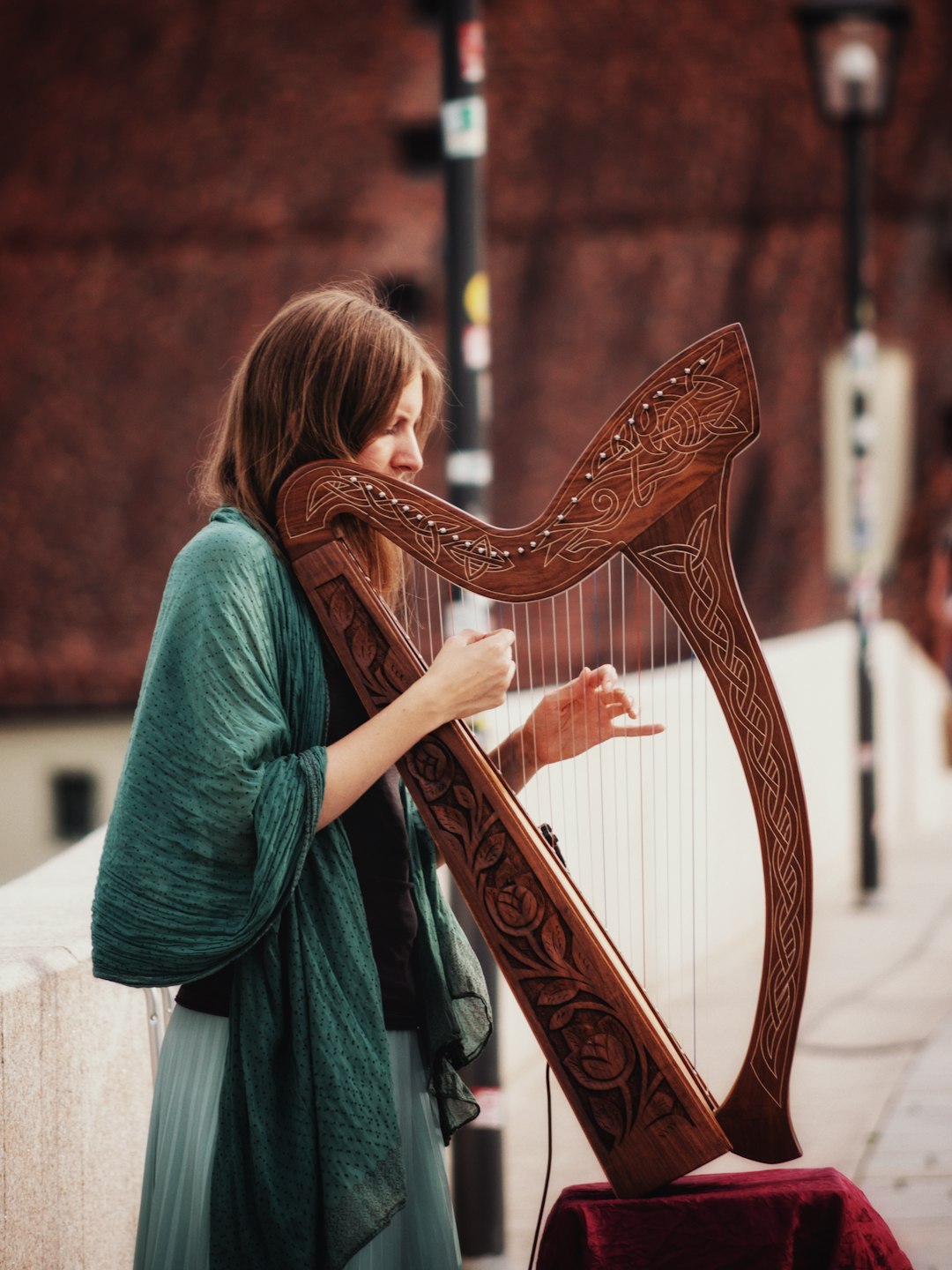
From Parlours to Kitchen Fires
The Anglo concertina first reached Ireland in the mid-19th century, brought by merchants, emigrants, and travelling traders. It turned up in the homes of the better-off, played as polite after-dinner entertainment.
That didn’t last long. Within a generation it had found its way into kitchens, crossroads dances, and the back rooms of country pubs. Farmers’ daughters picked it up. Labourers carried it to house sessions. It was small enough to fit under a coat, loud enough to carry above a crowd, and forgiving enough to learn without a music teacher.
No other country in Europe adopted it quite the way Ireland did. In England it stayed largely in parlours. In Ireland it became working music — music with a job to do.
Why County Clare Made It Its Own
Several counties took to the concertina with enthusiasm. One claimed it most completely: County Clare on Ireland’s Atlantic coast.
The West Clare playing style that developed was unlike anything elsewhere — rhythmical, punchy, and physical. Clare players drove the tempo with an urgency that made the tune push against the beat. This wasn’t delicate music. It was music that wanted to move bodies.
Towns like Kilmihil, Kilrush, and Miltown Malbay became its strongholds. If you visit Clare in July and find yourself in Miltown Malbay, you’ll hear concertinas spilling out of pub doorways all week long, played by musicians who’ve come from across the world to study and play together. It is one of the most concentrated gatherings of traditional music talent anywhere in Ireland.
Understanding what makes Clare sessions tick is something that rewards preparation. The unwritten rules of a traditional Irish session aren’t posted on any wall — but knowing them changes how you experience the music entirely.
The Women Who Were Its Keepers
Here’s what surprises most people: for much of its Irish history, the concertina was considered a woman’s instrument.
In rural Ireland of the 19th and early 20th centuries, the fiddle was largely a man’s domain. The concertina was different. It was small enough to carry without drawing comment. It could be played by lamplight at the kitchen table without disrupting the household. In Clare more than anywhere else, it passed from mother to daughter, generation to generation.
Elizabeth Crotty from Kilrush became the tradition’s most celebrated figure. She played with a raw, unhurried authority — recordings of her from the 1950s still give musicians goosebumps. The Clare style she embodied was not about technical flash. It was about the weight and the lift, the sense that the tune itself was breathing.
This female lineage is almost unique in Irish traditional music. Most instruments have male-dominated histories. The concertina is the exception — and Clare is where that exception survived long enough to become tradition.
☘️ Enjoying this? 64,000+ Ireland lovers get stories like this every week. Subscribe free →
What Makes the Sound Distinctive
The Anglo concertina is bisonoric. Push the bellows in and you get one note. Pull them out and you get a different note on the same button. That sounds complicated — and at first it is.
But it creates something no other instrument quite replicates: a constant alternation between directions that gives the music its bouncing, breathing character. The bellows aren’t just air supply. They shape every phrase in ways a fiddle bow or a flute player’s breath cannot copy exactly.
In a session, the concertina sits between the fiddle and the button accordion in terms of character. It adds rhythmic texture without overpowering the room. It brings warmth without muddying the treble. Players often describe it as being in a conversation with the other instruments — listening and responding at the same time.
For comparison, the Irish fiddle carries strong regional accents that locals can identify instantly. The concertina has its own geography — and Clare’s version is the most immediately recognisable of all.
The Concertina in the Session Today
Walk into any good traditional session in Ireland tonight and look carefully. Somewhere in a corner, usually played by someone who doesn’t seek attention, there will be a concertina.
It won’t be the loudest instrument in the room. It rarely is. But watch the other musicians. Watch who the fiddler checks in with when the tempo drifts. The concertina often holds the centre of the rhythm without anyone quite noticing it doing so.
Today’s players like Caitlín Nic Gabhann and Tim Collins carry the tradition forward without turning it into a museum piece. The instrument is taught at festivals, studied by younger players, and played at sessions from Dingle to Donegal.
If you’re planning a trip and hoping to experience traditional music at its most alive, start planning your visit to Ireland here — the music, and likely a concertina, will find you.
If you find yourself in a session where someone reaches under a stool and pulls out a battered concertina case, stop talking and listen. You’re watching something that arrived as a novelty and stayed for two centuries. In Ireland, that kind of stubbornness is a form of love.
☘️ You Might Also Love
Frequently Asked Questions
What is the historical significance of Instrument That Crossed the Irish Sea and Never Went Home?
This is one of Ireland’s fascinating historical and cultural stories — a reminder of the depth of Irish heritage that extends far beyond the better-known landmarks. These hidden histories are what make exploring Ireland so rewarding for curious visitors.
Where in Ireland can you learn more about this history?
Ireland’s network of local museums, heritage centres, and county archives hold remarkable collections of local history. The National Museum of Ireland (nationalmuseum.ie) and the National Library of Ireland also maintain extensive records of Irish cultural heritage.
Is this part of Irish culture still visible today?
Many aspects of Ireland’s ancient and folk culture are still visible if you know where to look. Local guides, heritage walks, and community festivals often reveal these hidden layers of Irish life that most tourists never see.
How does this story connect to modern Irish identity?
Irish people have a strong sense of connection to their heritage, and stories like this one are part of the cultural fabric that shapes modern Irish identity. The Irish language, traditional music, and folk customs all carry echoes of this long history.
☘️ Join 64,000+ Ireland Lovers
Every Friday, get Ireland’s hidden gems, local secrets, and travel inspiration — the kind you won’t find in any guidebook.
Subscribe free — enter your email:
Free forever · · Unsubscribe anytime
Tours & experiences you might love


Powered by Viator. Some links are affiliate links — we may earn a small commission at no extra cost to you.
Secure Your Dream Irish Experience Before It’s Gone!
Planning a trip to Ireland? Don’t let sold-out tours or packed attractions spoil your journey. Iconic experiences like visiting the Cliffs of Moher, exploring the Rock of Cashel, or enjoying a guided walk through Ireland’s ancient past often sell out quickly—especially during peak travel seasons.

Booking in advance guarantees your place and ensures you can fully immerse yourself in the rich culture and breathtaking scenery without stress or disappointment. You’ll also free up time to explore Ireland’s hidden gems and savour those authentic moments that make your trip truly special.
Make the most of your journey—start planning today and secure those must-do experiences before they’re gone!
Subscribe Free