

Drive almost anywhere in Ireland and something catches your eye. A stone tower on a hilltop. A crumbling wall above a river. A four-storey ruin standing alone in a farmer’s field. Ireland has more medieval tower houses per square mile than any other country in Europe — and the story of why is one of the most fascinating in Irish history.
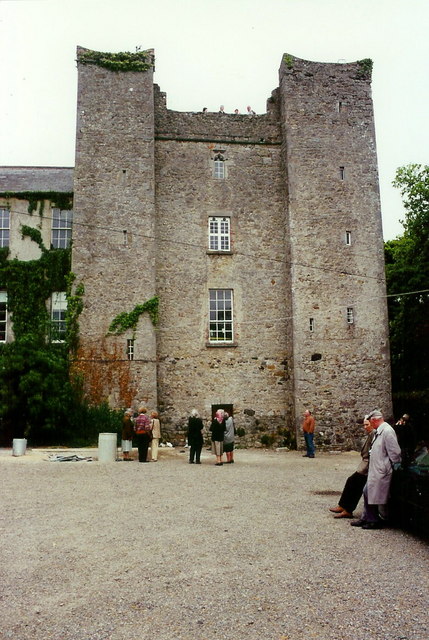
Why Ireland Has More Towers Than Any Other Country in Europe
Estimates put the number of Irish tower houses at around 3,000. Some counties have dozens. Clare alone had over 400. By contrast, England — a country four times larger — has only a fraction of that number from the same period.
This wasn’t coincidence. It wasn’t wealth. It was something far more distinctly Irish: the clan system, and the burning need every chieftain had to show his neighbours exactly where he stood.
Between roughly 1400 and 1650, Irish lords built towers at a pace that startled even contemporary observers. Each one was a statement. Each one was a warning. And each one was, in its own way, a very visible answer to the question every chieftain’s rivals were always asking: how powerful are you, really?
The Clan Logic Behind Every Stone Tower
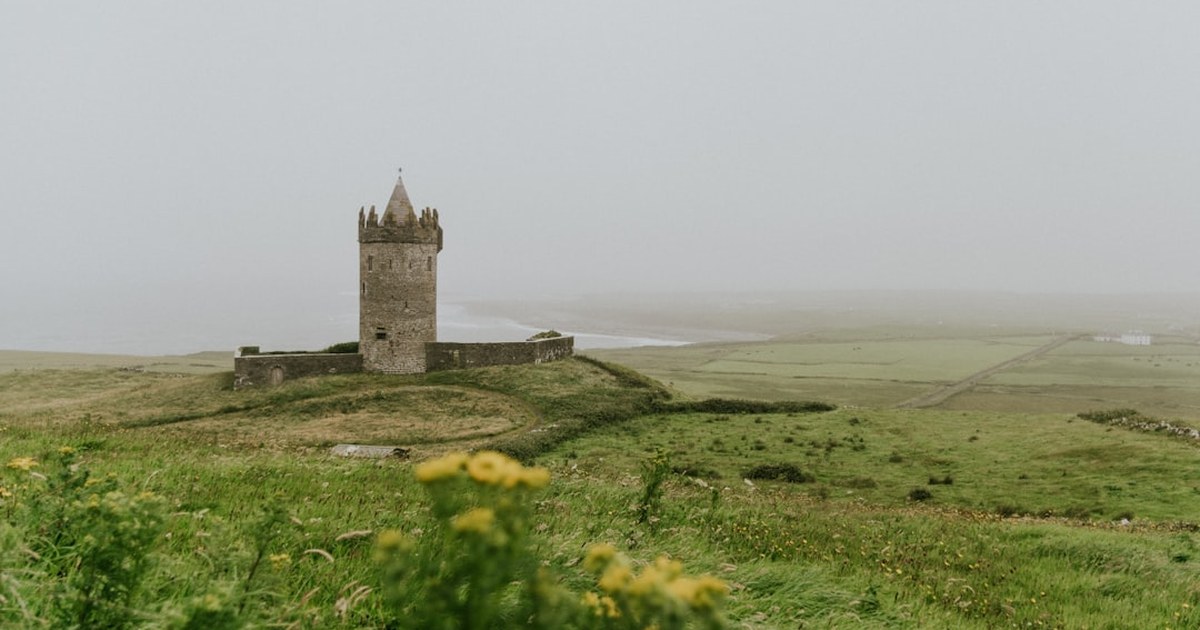
Irish society in the medieval period ran on hierarchy, and hierarchy was physical. The higher your tower, the stronger your message. A clan without a stone tower was a clan that couldn’t afford one — or worse, one that had been defeated by someone who could.
Rival chieftains didn’t just fight over land. They competed in stone. When one lord built a tower on the eastern edge of his territory, his neighbour across the river responded by building one to match. This ripple effect spread across the whole island over two centuries, leaving Ireland dotted with towers at every ford, every crossing, every strategic hill.
For visitors arriving from the Continent, it was remarkable. Ireland looked, one traveller wrote, like a land permanently braced for argument.
To explore this deeper, read what life was actually like inside these towers — the daily routines, the cramped quarters, and the surprisingly rich domestic world behind those narrow windows.
Built to Impress, Designed to Kill
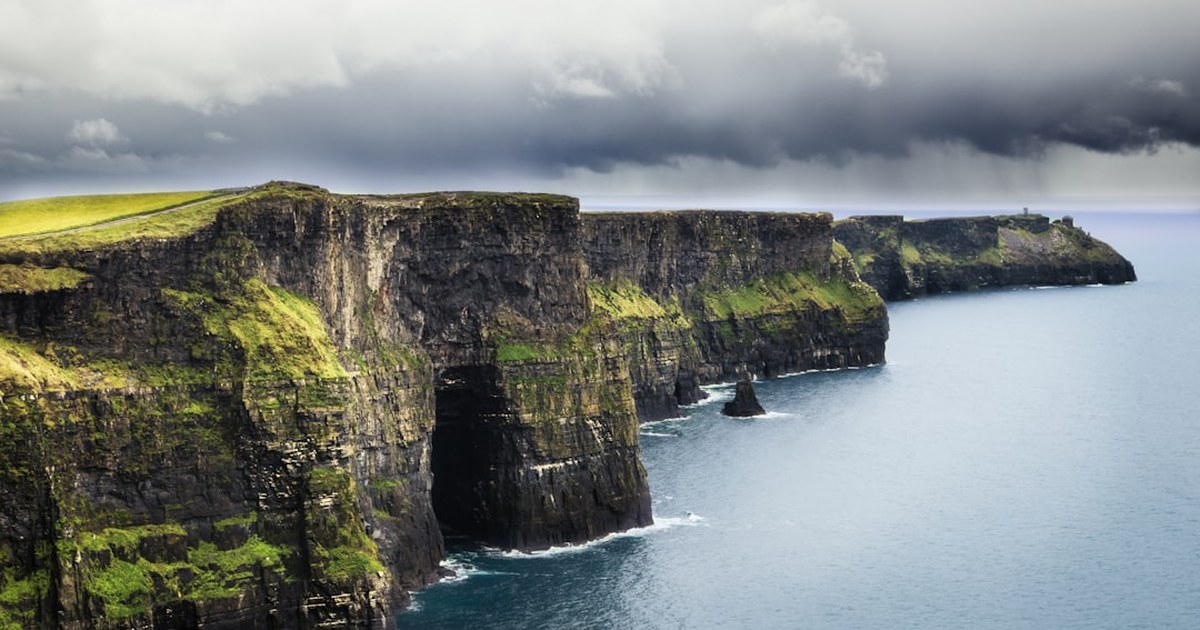
Irish tower houses were not castles in the Norman sense. They were compact, efficient, and deliberately intimidating. A typical example stood four to six storeys, with walls up to three metres thick at the base — deliberately sloped outward to deflect rocks and make undermining almost impossible.
The spiral staircase always turned clockwise when ascending. This wasn’t tradition; it was tactics. A right-handed defender coming down the stairs had full sword reach. An attacker climbing up had his sword arm pinned against the central column.
Above the main entrance, builders left a gap in the ceiling — the murder hole. Anyone who forced the door could find themselves doused in boiling water, burning pitch, or rocks dropped from above. Every detail of the design assumed that someone, eventually, would try to take the tower by force.
The hidden passages and concealed chambers inside Irish castles added yet another layer of defence — some towers had secret exits that opened directly onto the surrounding landscape, giving the occupants a way out that attackers couldn’t anticipate.
☘️ Enjoying this? 64,000+ Ireland lovers get stories like this every week.
Thinking about it seriously? If you’ve started actually planning a move, our complete the full Move to Ireland guide walks through every step, every cost, and the paperwork that catches most people out.
What It Felt Like to Live Above the World
For the family that owned the tower, height meant everything. The great hall — where the chieftain ate, received guests, and dispensed justice — sat on the upper floors. Grain, livestock, and servants occupied the lower levels. The higher you were, the more important you were.
On a clear day from the top of a tower house, a chieftain could see for twenty kilometres in every direction. He could watch approaching guests, count enemy movements, and monitor the boundaries of his territory without leaving the building. In a society that ran on personal presence and visible authority, this mattered enormously.
There were no clocks. News travelled by rider or by word of mouth. The tower was how you controlled information — and how you showed the world that you were still standing.
The Towers That Still Watch Over Ireland Today
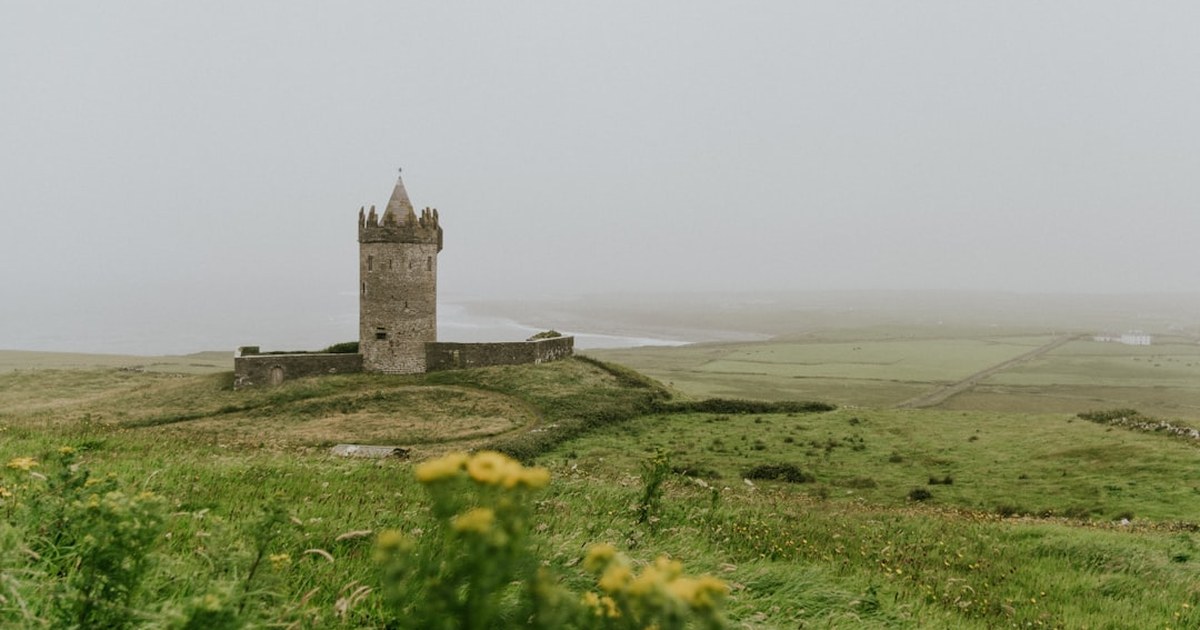
Most of Ireland’s tower houses are ruins now. Some are roofless shells, grass growing from the upper floors. Others still stand near-complete, incorporated into later farm buildings or country houses. A few have been restored and are open to visitors.
But even in ruin, they carry an unusual authority. Nobody knocks them down. Nobody builds over them without a second thought. The Irish relationship with these towers is not one of nostalgia, exactly — it’s something older and quieter. An acknowledgement that these stones belonged to someone, once, who thought they would stand forever.
They were right about that, at least.
When you plan your trip to Ireland, keep an eye on the hillsides and the field edges. You’ll see more towers than you expected. And behind each one, somewhere in the silence, a clan rivalry that once seemed urgent enough to build in stone.
That’s Ireland. It keeps its arguments for a very long time.
☘️ Join 64,000+ Ireland Lovers
Every Friday, get Ireland’s hidden gems, local secrets, and travel inspiration — the kind you won’t find in any guidebook.
Subscribe free — enter your email:
Love more? Join 43,000 Scotland lovers → · Join 30,000 Italy lovers → · Join 7,000 France lovers →
Free forever · · Unsubscribe anytime
Tours & experiences you might love


Powered by Viator. Some links are affiliate links — we may earn a small commission at no extra cost to you.
Secure Your Dream Irish Experience Before It’s Gone!
Planning a trip to Ireland? Don’t let sold-out tours or packed attractions spoil your journey. Iconic experiences like visiting the Cliffs of Moher, exploring the Rock of Cashel, or enjoying a guided walk through Ireland’s ancient past often sell out quickly—especially during peak travel seasons.

Booking in advance guarantees your place and ensures you can fully immerse yourself in the rich culture and breathtaking scenery without stress or disappointment. You’ll also free up time to explore Ireland’s hidden gems and savour those authentic moments that make your trip truly special.
Make the most of your journey—start planning today and secure those must-do experiences before they’re gone!
Subscribe Free