

Walk through almost any Irish castle and the guides will show you the great hall, the battlements, the view. What they rarely show you is the passage running inside the wall, the hidden gate at the back, or the chamber that drops without warning into darkness below.
Ireland’s ancient castles were built by people who understood something tourists rarely consider: safety is temporary. Every stone was placed with an exit strategy in mind.
Built Into the Walls Themselves
Ireland’s medieval castles weren’t simply thick-walled fortresses. They were hollow in deliberate ways.
Mural passages — narrow corridors carved into the fabric of castle walls — allowed soldiers to move unseen between towers, relay messages, and reach defensive positions without crossing open courtyards. From the outside, the walls looked solid. From the inside, they were roads.
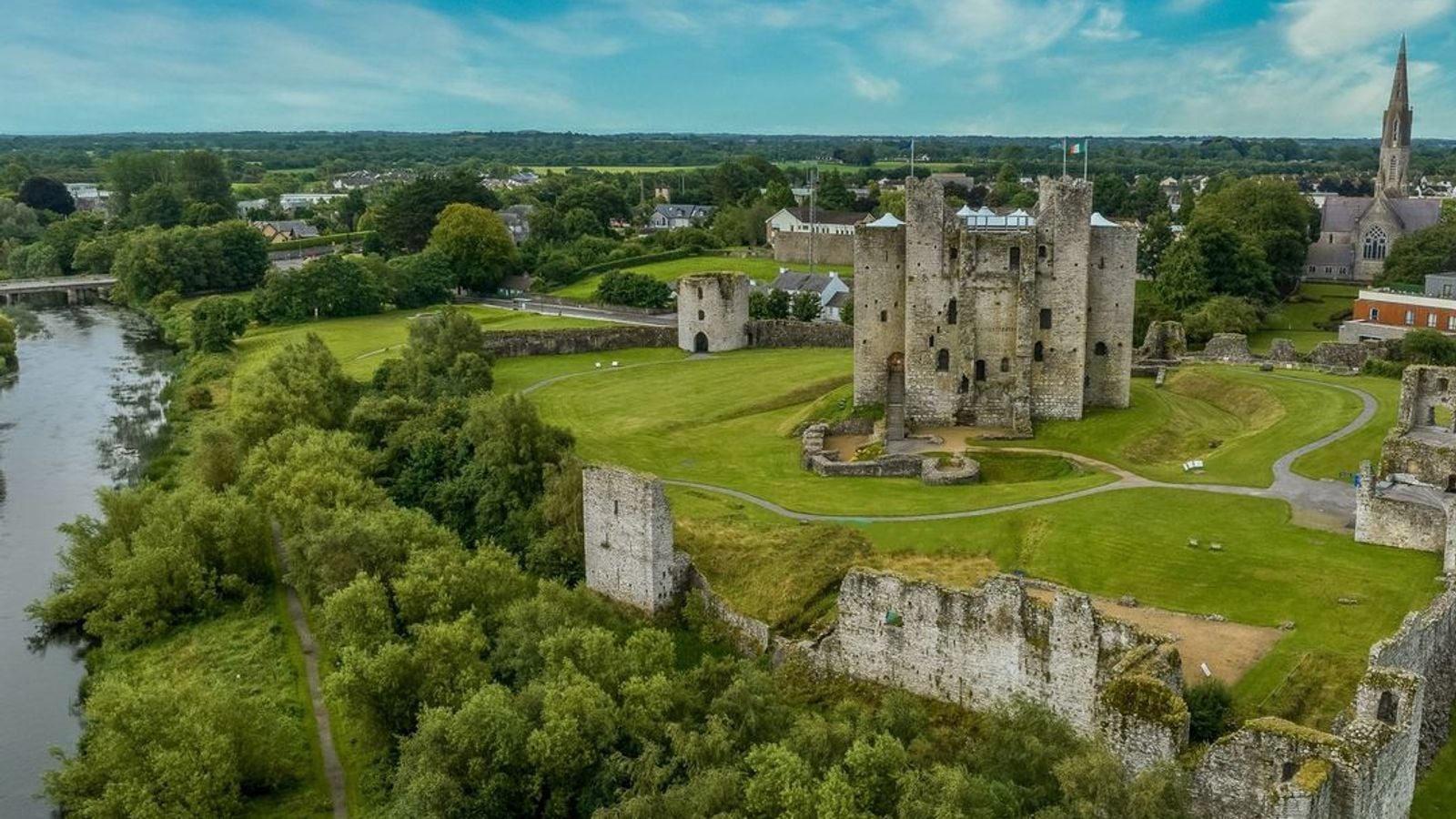
At Trim Castle in County Meath, the largest Anglo-Norman castle in Ireland, sections of mural passage still run within the massive walls. In low light, they feel almost impossible — claustrophobic, deliberate, disorienting to anyone who didn’t know the layout. That confusion was by design.
The Gate Nobody Was Supposed to See
Every major Irish castle had a postern gate. This was a secondary entrance — usually small, sometimes hidden behind outbuildings or set flush with a curtain wall — designed so that people could enter and leave unseen from the main gate.
Postern gates served different purposes depending on who needed them. In times of siege, they allowed defenders to send messengers out for reinforcements. They let supplies come in by night. And if a castle fell, they offered the only path of escape for those who knew where to look.
At Dunluce Castle on the Antrim coast, the escape route was carved into the rock itself. Below the castle, accessible by stairs cut into the cliff, a sea cave led directly to the water. The castle’s occupants could leave by boat while attackers hammered at the front gate above.
Murder Holes and Killing Grounds
The most deliberately concealed features in Irish castle design were murderous by intention.
Above the arched gateway entrance — the point where attackers would necessarily bunch together — castle builders left openings in the ceiling. These were meurtrières, known more bluntly as murder holes. Through them, defenders could pour boiling water, drop stones, or fire arrows straight down into anyone who had forced the outer door but not yet breached the inner one.
The attacker believed they were nearly through. They were in the worst position of the entire assault.
Walk through the gate tunnel of almost any Norman castle in Ireland and look up. The holes are still there.
☘️ Enjoying this? 64,000+ Ireland lovers get stories like this every week. Subscribe free →
Hidden Below Ground
The oubliette is the most theatrical element of castle legend — and it has a basis in reality. The word comes from the French oublier: to forget. It describes a cell accessible only through a trapdoor in the floor above, into which prisoners were lowered and, effectively, left.
Blarney Castle in County Cork has one of the most accessible examples still visible in Ireland. Below the great tower, the original castle included such a chamber. Guides point it out. What they can’t fully convey is what it would have meant to fall into one — the darkness, the silence, the certainty that no one above would remember you were there.
If you want to understand what life inside these castles was really like, these hidden spaces tell a different story than the grand halls.
Where You Can Still Find Them
For visitors who want to see these features rather than simply hear about them, several Irish castles still have accessible hidden architecture.
Trim Castle is the most comprehensive — its sheer size means more surviving fabric, more wall to explore, more passages to trace. Rock of Cashel has underground spaces and unexpected chambers. Blarney Castle’s grounds include both the dungeon and the infamous Witch’s Kitchen below the main tower.
And almost any of Ireland’s 3,000-plus tower houses rewards careful looking. Step through a low doorway into an apparently blank wall and you may find a spiral stair turning away from you into the dark. These smaller castles — built by local chieftains from the 14th century onwards — followed the same defensive logic at a smaller scale. Every one of them assumed that the day of attack would come.
If you’re planning a trip to Ireland, adding one of these castles to your route changes how you see all the others.
The people who built these passages weren’t eccentric. They were practical, experienced, and deeply aware of how quickly a safe place could become a trap. Every hidden exit, every concealed doorway, was a lesson in the fragility of safety.
Ireland’s castles still hold those lessons in their walls. You just have to know where to look.
☘️ You Might Also Love
☘️ Join 64,000+ Ireland Lovers
Every Friday, get Ireland’s hidden gems, local secrets, and travel inspiration — the kind you won’t find in any guidebook.
Subscribe free — enter your email:
Free forever · · Unsubscribe anytime
Tours & experiences you might love


Powered by Viator. Some links are affiliate links — we may earn a small commission at no extra cost to you.
Secure Your Dream Irish Experience Before It’s Gone!
Planning a trip to Ireland? Don’t let sold-out tours or packed attractions spoil your journey. Iconic experiences like visiting the Cliffs of Moher, exploring the Rock of Cashel, or enjoying a guided walk through Ireland’s ancient past often sell out quickly—especially during peak travel seasons.

Booking in advance guarantees your place and ensures you can fully immerse yourself in the rich culture and breathtaking scenery without stress or disappointment. You’ll also free up time to explore Ireland’s hidden gems and savour those authentic moments that make your trip truly special.
Make the most of your journey—start planning today and secure those must-do experiences before they’re gone!
Subscribe Free