

The first time you really look into a seal’s eyes, something shifts. They are dark and round and impossibly expressive — too knowing, too sorrowful, too present to belong entirely to an animal. Irish fishermen noticed this long before zoologists offered explanations. They had their own answer: the seal is not just a seal. It never was.
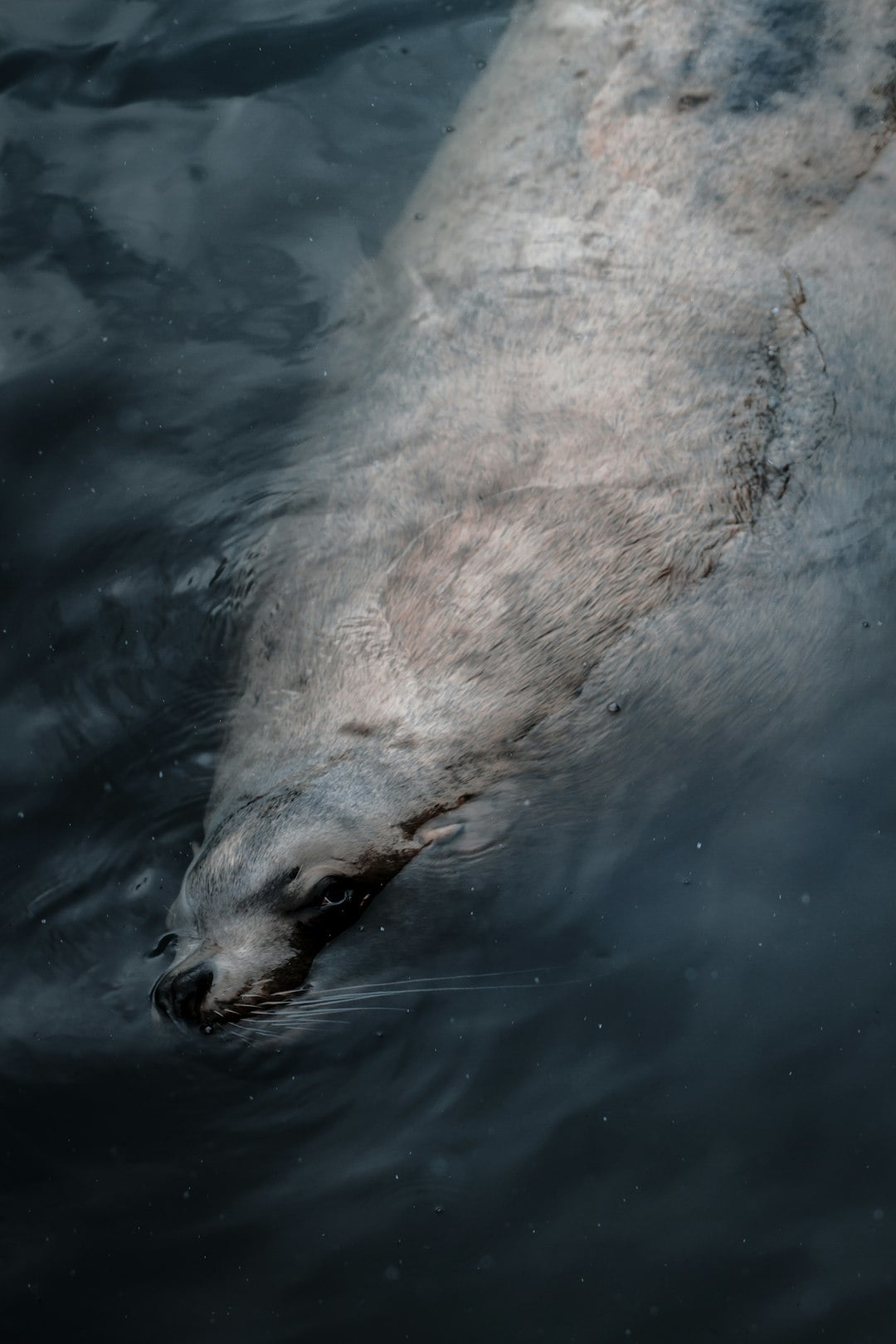
Who Are the Selkies?
In the folklore of Ireland’s Atlantic coast, selkies are creatures who exist between two worlds. On land, they take human form — beautiful, gentle, often sorrowful. In the sea, they become seals.
The word itself comes from the Old Norse selr, meaning seal, carried to Ireland’s shores through centuries of coastal exchange. But the emotional heart of the story belongs entirely to the Irish imagination.
Selkies are not monsters. They are not tricksters. They are caught, always, in the wrong place at the wrong time — longing for whichever world they are not in.
The Skin That Cannot Be Lost
The key to selkie existence — and the source of their tragedy — is the skin. Without their seal coat, a selkie cannot return to the sea. They are stranded in human form, forced to live among people, to love them even, but never truly belonging.
The most common tale across Ireland’s western shores goes like this: a fisherman finds a beautiful woman weeping on the rocks. Her seal skin lies beside her. He takes it. He hides it. She has no choice but to go with him.
She marries him. She raises children. She laughs, sometimes. But she searches — always, quietly searching. And when she finally finds the skin again, she is gone by morning. Not because she did not love the life she made. But because the sea is calling, and it never stops.
The Tears That Fill the Sea
Why do selkies weep? Every version of the legend offers an answer, and none of them are comfortable.
Some say they weep for the families they left behind in the deep — for children they could not bring to shore and children they could not bring home again. Others say the grief comes from the in-between state itself. No world holds them entirely. No love is quite enough.
Irish coastal communities that lived with this story understood it without needing to explain it. The Atlantic took people. Fathers were lost to storms. Wives waited on headlands for boats that never returned. The selkie legend gave shape to a grief that was otherwise unspeakable.
Where the Legend Lives Strongest
If you want to feel the selkie legend in your bones, go to the places where the sea is not a backdrop but a presence.
Donegal’s remote peninsulas — particularly the Fanad and Inishowen coasts — still carry the weight of it. So does the Connemara shore, where the Atlantic presses right up against the fields and the light shifts five times before noon. The Aran Islands, living in the full force of the Atlantic, are soaked in stories of the sea-people.
On Rathlin Island, off the Antrim coast, the selkie stories blend with the real seal colonies that still haul themselves onto the rocks there. Even now, local people pause when a seal watches them from the water. Old habits of attention don’t die quickly.
The wild Atlantic villages of Connemara and Donegal are among the finest places in the world to stand at the edge of the ocean and feel stories pressing in from every direction. Standing at the edge of these headlands, where the wind has no manners and the horizon seems impossibly far, the selkie legend feels less like a story and more like a memory.
What the Legend Is Really About
Scholars have long read the selkie myth as a story about longing, dislocation, and the impossible weight of belonging to two places at once.
For the Irish diaspora — millions of whom left these coastal communities over centuries — the resonance is obvious. To carry Irish heritage across the ocean is to live with a version of this in-between state. Belonging here but always pulled there. Human in one world, something else in the memory of the other.
If you’re planning a journey to Ireland’s Atlantic shores, start with the planning guide that thousands of visitors have used to find their way — including those who came specifically looking for the places where these stories still live.
The next time you see a seal watching you from the water, let it watch for a moment. Look back. Those eyes have been holding this legend for a very long time — and something in them, if you are honest, looks right back at you with recognition.
☘️ You Might Also Love
64,000 Ireland lovers can’t be wrong.
Every week, our free newsletter delivers hidden gems, seasonal guides, local stories, and practical travel tips — straight to your inbox. Join the community that loves Ireland as much as you do.
☘️ Want More Hidden Ireland?
Join 64,000+ subscribers who discover Ireland’s best-kept secrets every week.
Subscribe Free — Join the Community →
Free forever · Unsubscribe anytime · No spam
📥 Free Download: Ireland Travel Planning Guide
Our most popular resource — itineraries, insider tips, and the 50 places you must not miss.
Tours & experiences you might love


Powered by Viator. Some links are affiliate links — we may earn a small commission at no extra cost to you.
Secure Your Dream Irish Experience Before It’s Gone!
Planning a trip to Ireland? Don’t let sold-out tours or packed attractions spoil your journey. Iconic experiences like visiting the Cliffs of Moher, exploring the Rock of Cashel, or enjoying a guided walk through Ireland’s ancient past often sell out quickly—especially during peak travel seasons.

Booking in advance guarantees your place and ensures you can fully immerse yourself in the rich culture and breathtaking scenery without stress or disappointment. You’ll also free up time to explore Ireland’s hidden gems and savour those authentic moments that make your trip truly special.
Make the most of your journey—start planning today and secure those must-do experiences before they’re gone!