

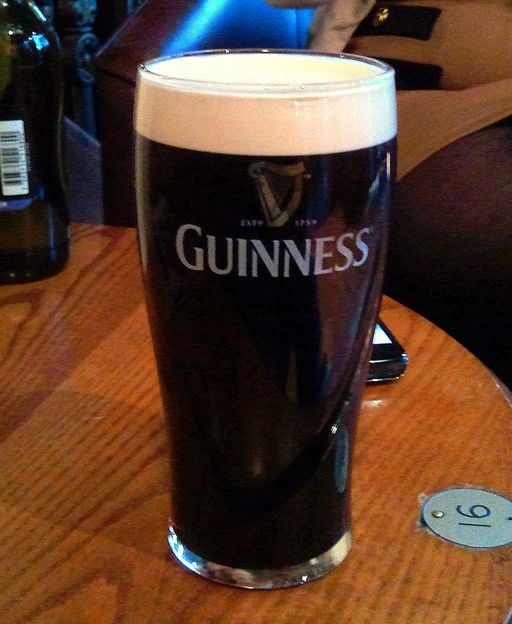
Pick up a pint of Guinness and look closely. There’s a golden harp on the glass — elegant, ancient-looking, and quietly historic. Now look up the Irish state harp, the one on Ireland’s passport or its euro coins. They’re the same instrument. But they face opposite directions.
That’s not a mistake. It’s one of the most quietly brilliant stories in Irish history.
The Only Country Whose National Symbol Is a Musical Instrument
Ireland is unique in the world. Whilst most nations chose eagles, lions, or stars for their national emblems, Ireland chose a harp — a musical instrument. No other country on earth has done this.
The harp has been associated with Ireland for over a thousand years. It appears in illuminated manuscripts, on medieval royal seals, and was once said to represent the very soul of the Irish people. Not strength. Not power. Music.
The Ancient Harp That Started It All
The oldest surviving Irish harp is housed in the Long Room of Trinity College Dublin. Known as the Brian Boru harp, it is believed to date from the 14th or 15th century — making it one of the oldest harps in the world.
Despite its name, it almost certainly wasn’t played by the High King Brian Boru, who died at the Battle of Clontarf in 1014. The name is legend, not history. But the harp itself is real — beautifully crafted from willow and oak, still strung with brass wire.
It has been the model for the official Irish state emblem ever since.
Why the Guinness Harp Faces the Wrong Way
Here is where the story gets genuinely remarkable.
When Arthur Guinness began using the harp as his brewery’s symbol in the early 19th century, he took inspiration from the Brian Boru harp. At that time, no one claimed exclusive rights to the image. When Ireland became an independent state in 1922, the new government also chose the harp as its official emblem — but Guinness had been using theirs for over a century, and had already trademarked it.
The solution? The Irish state simply flipped the harp to face the opposite direction. Guinness’s harp faces left. The official Irish state harp faces right. Legally distinct. Visually similar. Both undeniably, unmistakably Irish.
On Every Coin, Passport and Presidential Seal
Since 1922, the harp has appeared on every Irish coin — from the old farthings and florins to today’s euro cents. It appears on the Presidential standard, on the seals of government departments, and on the cover of every Irish passport.
When Ireland joined the euro, it was granted special permission to keep the harp on its euro coins — a rare cultural concession that no other nation received quite the same way. Hold an Irish euro cent alongside a German or Spanish one, and you’ll see the difference immediately.
That harp, on a coin in your pocket, is older than the state that put it there.
The Harpers Who Nearly Vanished
The harp was more than a symbol. For centuries, professional harpers were among the most respected members of Irish society. They moved between the great Gaelic chieftains, composing laments and praise-songs, preserving history in music.
When Gaelic culture came under pressure in the 17th century, the harp tradition nearly died with it. The last great gathering of the old harpers took place in Belfast in 1792. A young musician named Edward Bunting transcribed their tunes in a notebook — and that notebook saved hundreds of ancient melodies from disappearing forever.
Today, the Irish harp is experiencing a quiet revival. From intimate sessions to concert halls, a new generation is learning the instrument that once carried an entire civilisation’s stories. If you’d like to experience Irish traditional music firsthand, here’s everything you need to know before walking into your first Irish trad session.
The Sound That Outlasted Everything
There’s something in the sound of Irish traditional music — whether you’re listening to a fiddle, a tin whistle, or the haunting cry of the uilleann pipes, Ireland’s other singular instrument — that echoes the emotional quality of the harp. Plaintive, soulful, with a longing that seems to reach back across centuries.
Perhaps that’s why the Irish chose the harp above all else. Not as a symbol of military might or political power, but as a symbol of something harder to define and far more enduring: the Irish gift for feeling things deeply, and expressing that feeling through music.
The next time you lift a pint of Guinness, take a second look at that harp facing left on the glass. It’s a brewery trademark. It’s a medieval artefact. It’s a legal compromise. And it’s a reminder that Ireland’s national identity isn’t built on conquest or borders — it’s built on music, on story, and on the kind of beauty that survives everything.
If you’re planning a trip to discover all of this for yourself, start with our complete Ireland travel planning guide.
☘️ You Might Also Love
☘️ Want More Hidden Ireland?
Join 64,000+ subscribers who discover Ireland’s best-kept secrets every week.
Subscribe Free — Join the Community →
Free forever · Unsubscribe anytime · No spam
📥 Free Download: Ireland Travel Planning Guide
Our most popular resource — itineraries, insider tips, and the 50 places you must not miss.
Tours & experiences you might love


Powered by Viator. Some links are affiliate links — we may earn a small commission at no extra cost to you.
Secure Your Dream Irish Experience Before It’s Gone!
Planning a trip to Ireland? Don’t let sold-out tours or packed attractions spoil your journey. Iconic experiences like visiting the Cliffs of Moher, exploring the Rock of Cashel, or enjoying a guided walk through Ireland’s ancient past often sell out quickly—especially during peak travel seasons.

Booking in advance guarantees your place and ensures you can fully immerse yourself in the rich culture and breathtaking scenery without stress or disappointment. You’ll also free up time to explore Ireland’s hidden gems and savour those authentic moments that make your trip truly special.
Make the most of your journey—start planning today and secure those must-do experiences before they’re gone!