

You know this field. You’ve walked it a hundred times. Your boots have worn a path from the gate to the barn, and you could navigate it blind on a moonless night. And then one day you step somewhere slightly different — and nothing looks right.
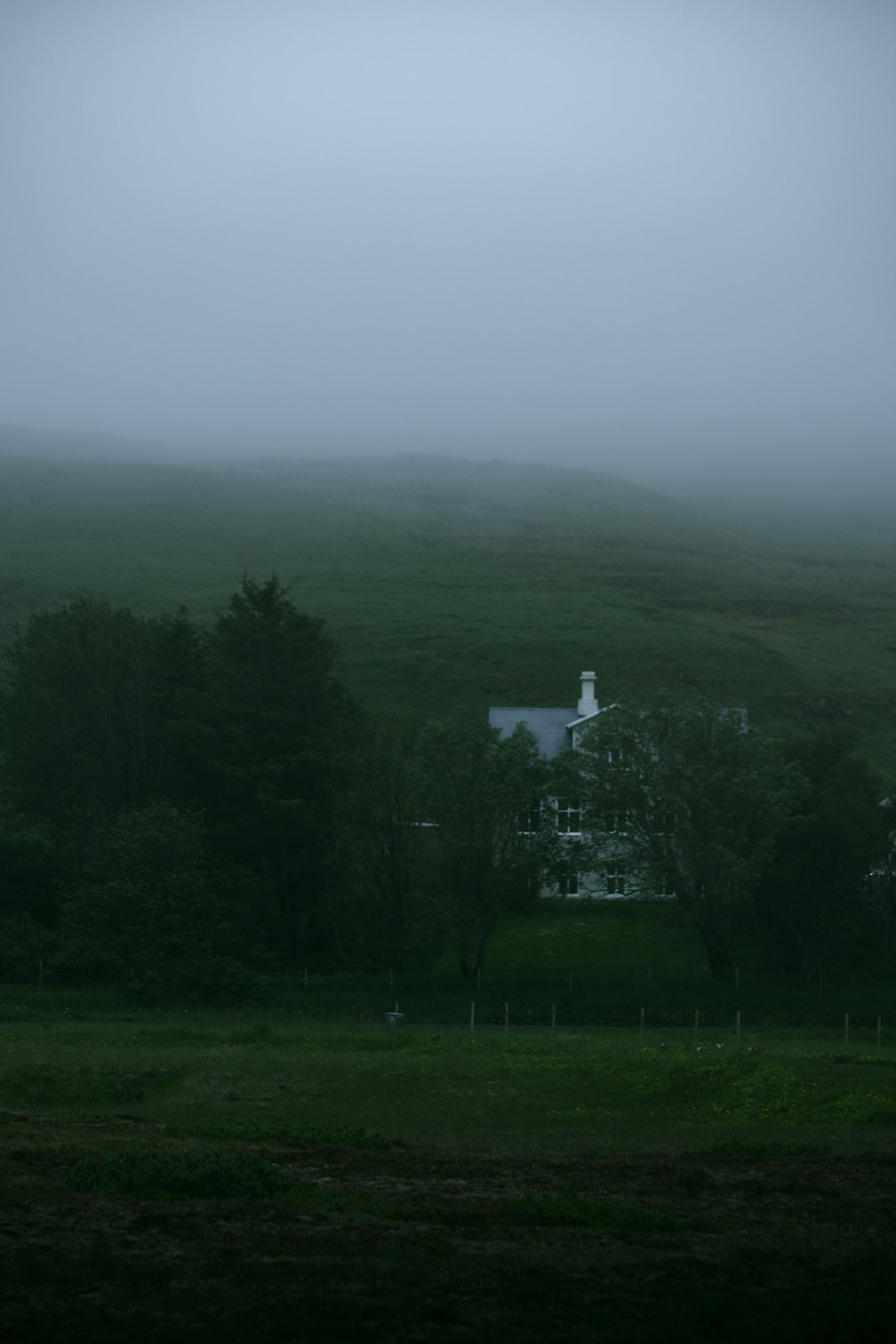
The landmarks shift. The gate you were heading for seems further away. The wall you use to orient yourself has disappeared behind a rise that wasn’t there before. You are, without any warning at all, completely lost.
In old Ireland, people had a name for what had just happened to you. You’d stepped on a fód seachrán — a stray sod.
The Belief Behind the Stray Sod
The stray sod was a patch of enchanted ground, invisible to the eye, that could leave any person completely disoriented. It didn’t matter how well you knew the land. It didn’t matter if you’d farmed the same fields for forty years. Step on one and the world you knew would become suddenly unreachable.
The belief was widespread across Ireland, from Connacht to Munster to Ulster. It was recorded by folklorists in the nineteenth century, but it had roots far deeper than that. Country people spoke of it matter-of-factly, the way they spoke of weather or tides.
This wasn’t the same as a fairy fort, which you could see and walk around. Fairy forts were fixed, visible, and widely respected — structures with a clear presence in the landscape. The stray sod was something else entirely: invisible, unpredictable, and personal.
What It Felt Like to Step on One
Stories collected from across rural Ireland describe the experience in remarkably similar terms. A farmer sets out for the village and finds himself back where he started an hour later, with no memory of turning round. A woman walking home from a neighbour’s house wanders in circles until her family comes looking.
There was no dramatic moment of enchantment. One step was perfectly normal. The next, something shifted. The road home vanished. The familiar became alien.
People described a kind of fog — not in the air, but in the mind. Distances stopped behaving. Stone walls appeared where there hadn’t been walls. Trees stood in the wrong places. Some wandered until exhaustion set in. Others were found sitting in the middle of a field, unable to explain how they’d got there or how long they’d been walking.
What made the stray sod especially unnerving was that it could happen to anyone, anywhere, in daylight. This wasn’t a creature of the dark. It was baked into the ground you worked every day.
☘️ Enjoying this? 64,000+ Ireland lovers get stories like this every week. Subscribe free →
Where Stray Sods Were Found
Not every field held one. Experienced farmers developed a mental map of which spots were dangerous — and they passed that knowledge down through families like any other form of land wisdom.
Stray sods tended to cluster near the edges of ringforts and along the invisible roads that fairies were said to travel. The same fairy roads that shaped how Irish homes were built were thought to leave their mark on the ground around them.
Low-lying boggy patches were viewed with particular suspicion. A spot where cattle habitually went quiet or turned back was noted and remembered. Patches of unusually lush grass where nothing else grew as well were sometimes marked with a stone or a stick — a private warning left for the next generation.
Some believed the fairies had laid these patches deliberately, as a way of protecting their territory or punishing those who had disturbed it. Others thought the ground had simply soured over centuries of supernatural activity. Either way, the practical response was the same: know where they are, and avoid them.
How Irish Farmers Broke the Spell
The cures were specific, and the logic behind them was consistent. To break the disorientation of the stray sod, you needed to do something deliberately wrong — something that interrupted the enchantment by making your body act against its habits.
The most common remedy was turning your coat or jacket inside-out, putting it back on, and continuing on your way. The theory was that wearing your clothes backwards broke whatever glamour the ground had cast over your senses. The world would click back into focus.
Another cure was to take off one shoe, hold it briefly, then put it back on the opposite foot. Some accounts say you needed to turn yourself completely around three times, facing the direction you’d come from.
The logic in all of these remedies was the same: the stray sod disorients by making the familiar feel strange. Any deliberate act that reversed your normal routine — wearing something the wrong way, stepping backwards, breaking a pattern — could interrupt the spell long enough for you to find your bearings.
Why the Belief Still Lingers
Anyone who has walked in low cloud on an open Irish hillside knows how quickly the ordinary can become disorienting. The mind relies on landmarks, on routine, on the body’s learned sense of direction. Take those away and the most familiar ground becomes strange.
The stray sod belief didn’t arise from ignorance. It arose from close observation of how the land behaved — and from honest acknowledgement that the landscape had its own rules, not all of which were visible or predictable.
For the people who worked the Irish fields every day of their lives, that acknowledgement was a form of respect. The land fed you, and sometimes it tested you. The wise thing was to know the difference.
If you’re planning your own walk across rural Ireland, the Planning Hub has everything you need — start planning your Irish trip here. Just watch where you step.
The Irish countryside holds more than scenery. It holds centuries of knowledge about how to read a landscape, how to move through it carefully, and how to respect what you cannot always see. The stray sod is part of that knowledge — a quiet reminder that even the ground you know best can still surprise you.
☘️ You Might Also Love
Frequently Asked Questions
What is the historical significance of Enchanted Irish Ground That Could Make You Lost in Your Own Field for Hours?
This is one of Ireland’s fascinating historical and cultural stories — a reminder of the depth of Irish heritage that extends far beyond the better-known landmarks. These hidden histories are what make exploring Ireland so rewarding for curious visitors.
Where in Ireland can you learn more about this history?
Ireland’s network of local museums, heritage centres, and county archives hold remarkable collections of local history. The National Museum of Ireland (nationalmuseum.ie) and the National Library of Ireland also maintain extensive records of Irish cultural heritage.
Is this part of Irish culture still visible today?
Many aspects of Ireland’s ancient and folk culture are still visible if you know where to look. Local guides, heritage walks, and community festivals often reveal these hidden layers of Irish life that most tourists never see.
How does this story connect to modern Irish identity?
Irish people have a strong sense of connection to their heritage, and stories like this one are part of the cultural fabric that shapes modern Irish identity. The Irish language, traditional music, and folk customs all carry echoes of this long history.
☘️ Join 64,000+ Ireland Lovers
Every Friday, get Ireland’s hidden gems, local secrets, and travel inspiration — the kind you won’t find in any guidebook.
Subscribe free — enter your email:
Free forever · · Unsubscribe anytime
Tours & experiences you might love


Powered by Viator. Some links are affiliate links — we may earn a small commission at no extra cost to you.
Secure Your Dream Irish Experience Before It’s Gone!
Planning a trip to Ireland? Don’t let sold-out tours or packed attractions spoil your journey. Iconic experiences like visiting the Cliffs of Moher, exploring the Rock of Cashel, or enjoying a guided walk through Ireland’s ancient past often sell out quickly—especially during peak travel seasons.

Booking in advance guarantees your place and ensures you can fully immerse yourself in the rich culture and breathtaking scenery without stress or disappointment. You’ll also free up time to explore Ireland’s hidden gems and savour those authentic moments that make your trip truly special.
Make the most of your journey—start planning today and secure those must-do experiences before they’re gone!
Subscribe Free