

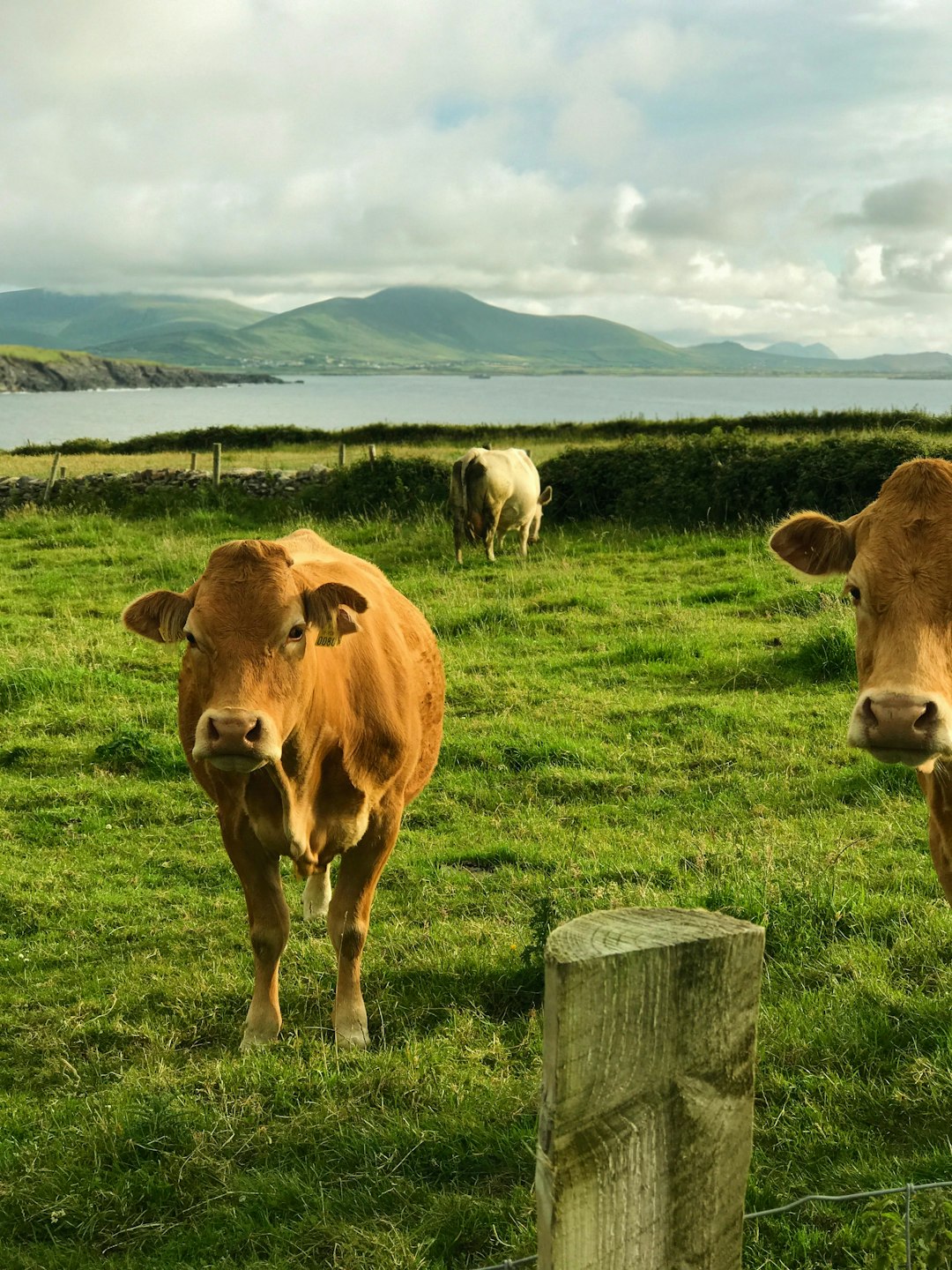
Walk into a field in old Ireland and ask a farmer how many cattle he had. He might pause, look sideways, and say something like: “God bless them — as many as He gave us.” He knew the number. He simply wouldn’t say it.
This wasn’t evasion. The Irish superstition about counting was ancient and stubborn: to state a precise number out loud — especially for cattle, children, or anything you valued — was an invitation to disaster.
The Rule Nobody Broke
The belief was rooted in something ancient: naming a number made the thing countable. And anything that could be counted could be taken.
Irish farmers knew this from childhood. You did not count your herd while it grazed. You did not count your fishing catch while it was still at sea. And you absolutely did not count your children on your fingers, one by one, as if ticking off a list.
Counting brought attention — and attention, in a world of unseen forces, was rarely welcome. The belief that pride or precision in accounting for your good fortune could undo it was one of the deepest convictions in rural Irish life.
What Farmers Said Instead
Rather than state a number, Irish people developed a set of safe alternatives. “Go leor, buíochas le Dia” — plenty, thanks be to God — was one common form. Others simply said “God bless them” before any count, or followed any positive statement with “God willing.”
The hedge against misfortune was always verbal. You never claimed a fixed reality. You offered it loosely, with a murmur of thanks, as if reminding the universe you knew it could be different tomorrow.
This habit ran so deep that even in casual conversation, an Irishman asked how many children he had might say: “A houseful — God bless them all.” The exact number stayed inside his head.
The Fishermen’s Code
At sea, the rule was even stricter. Irish fishermen would not count their catch while the nets were still in the water. The fish hadn’t been landed yet; stating their number was presumptuous. It tempted fate to reduce the haul, just to prove you wrong.
Some fishermen also believed you should never count the oars before a journey, and that counting the stars brought storms. The logic was consistent: you did not lay claim to what you hadn’t yet secured.
Sailors from the Aran Islands and the west coast carried this belief well into the 20th century. The old fishing communities understood the sea well enough to know that certainty was a luxury it rarely offered.
☘️ Enjoying this? 64,000+ Ireland lovers get stories like this every week. Subscribe free →
The Dread of the Census Taker
When census takers began arriving at Irish farms in the 19th century, they met this superstition head-on. For many rural families, being formally counted — names recorded, ages written, children tallied — felt deeply uncomfortable, even threatening.
Some families gave approximate ages or vague answers before reluctantly committing to specifics. The written ledger made the number permanent in a way that felt different from simply saying it aloud, and just as risky.
The discomfort wasn’t paranoia. It reflected a deeply held belief that to be precisely known — numbered, listed, accounted for — was to become vulnerable in ways that couldn’t easily be undone.
Children Were the Most Dangerous to Count
Of all the things you might count in rural Ireland, your children were the most sensitive. Large families were common — sometimes eight, ten, or twelve children — but stating that number precisely was considered reckless.
To count a child on your fingers was to invite the attention of forces that might decide one of them was surplus. A safe answer was always vague: “a grand family,” “more than enough,” “as many as God sent.” Gratitude rather than accounting was the appropriate response.
The Magpie Exception
There is one curious exception to the Irish rule against counting: the magpie rhyme. “One for sorrow, two for joy, three for a girl, four for a boy…” is one of the most famous counting traditions in Ireland, still practised by thousands of Irish families today.
But it is a different kind of counting. The magpie rhyme isn’t boasting; it’s seeking. You are reading a sign, not claiming a possession. The Irish were cautious about what counting implied — but they were always willing to use numbers to ask the future a question.
The Instinct That Never Left
Irish people today rarely answer “How are you?” with a simple “brilliant.” The more common response is: “Not too bad,” or “sure, you know yourself.” This isn’t false modesty. It’s the old instinct still at work — the reluctance to claim too much, to state things too flatly.
The superstition may have faded, but the habits it bred — caution, understatement, the quiet hedging of bets — never really went anywhere.
If you ever visit a farm in the west of Ireland and ask the farmer how many cows he has, listen carefully. He might still look sideways, pause, and say: “God bless them — as many as He gave us.”
You’ll know exactly what he means.
☘️ You Might Also Love
Tours & experiences you might love


Powered by Viator. Some links are affiliate links — we may earn a small commission at no extra cost to you.
Secure Your Dream Irish Experience Before It’s Gone!
Planning a trip to Ireland? Don’t let sold-out tours or packed attractions spoil your journey. Iconic experiences like visiting the Cliffs of Moher, exploring the Rock of Cashel, or enjoying a guided walk through Ireland’s ancient past often sell out quickly—especially during peak travel seasons.

Booking in advance guarantees your place and ensures you can fully immerse yourself in the rich culture and breathtaking scenery without stress or disappointment. You’ll also free up time to explore Ireland’s hidden gems and savour those authentic moments that make your trip truly special.
Make the most of your journey—start planning today and secure those must-do experiences before they’re gone!