

There is a sound that stops first-time visitors cold inside an Irish pub. Warm, breathy, slightly wild. It threads through the noise of a session and makes the air feel somehow heavier, more alive.
That sound comes from a wooden flute. And by rights, it should never have ended up in Ireland at all.
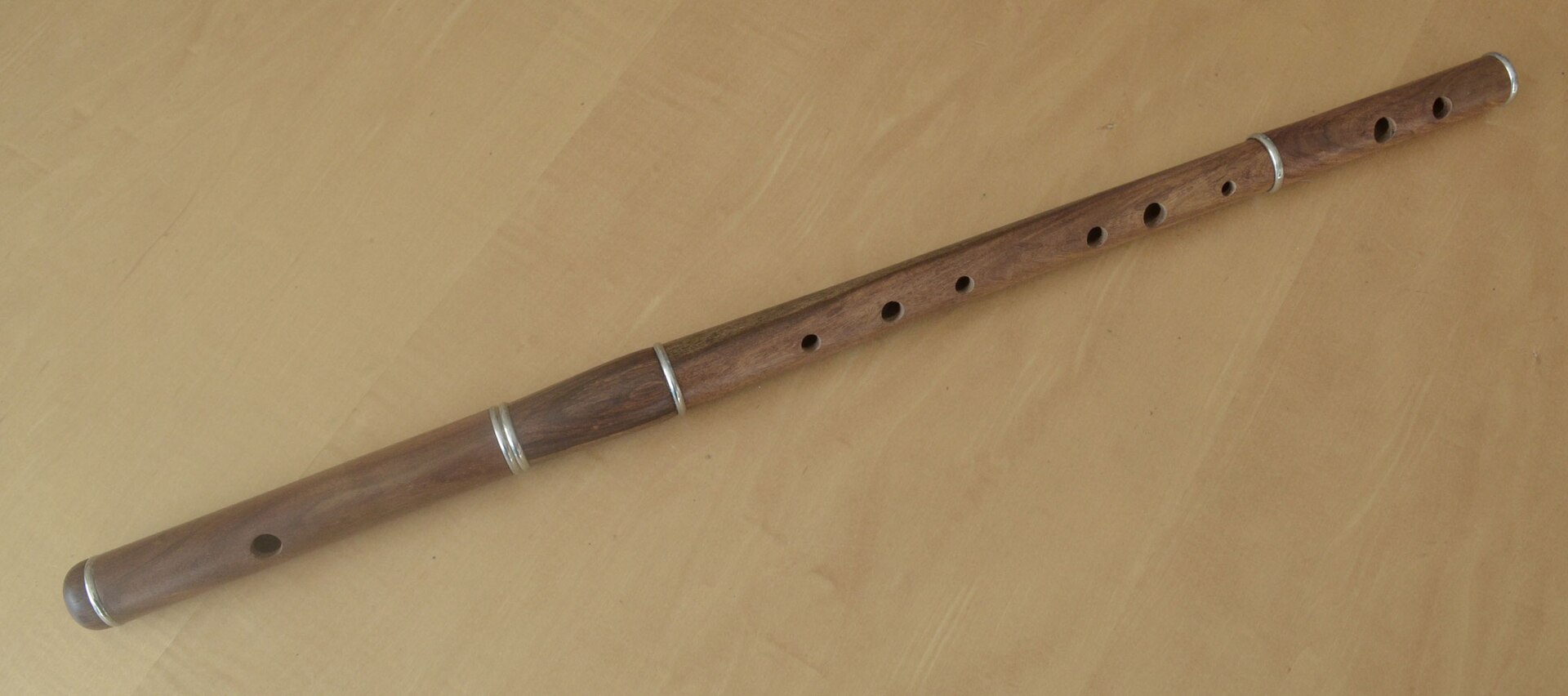
An Orchestra’s Leftovers
In the 1840s, a German flute designer named Theobald Boehm transformed the concert flute. He replaced the old wooden model — with its eight simple keys and warm, uneven voice — with a new silver instrument built on a precise mechanical key system.
It was a genuine breakthrough. Orchestras across Europe upgraded almost immediately. They wanted the new silver flute with its perfectly even tone and extended range.
What they left behind were thousands of perfectly functional wooden flutes. Cheap on the second-hand market. Overlooked. Ready to be picked up by someone who heard something in them that the orchestras had missed.
In Ireland, people noticed.
Why Ireland Picked Them Up
The wooden flute suited Irish music in ways the new silver instrument did not. It was loud enough to hold its own in a crowded session. It was rugged enough to survive a pub. And it had a warmth and slight roughness in the tone that matched the directness of Irish tunes.
Irish players did not adopt the classical technique along with the instrument. They adapted it entirely. They developed ornamental techniques — rolls, cuts, crans — that gave the music a rhythmic pulse classical flute playing never required. The instrument became theirs through use, through decades of sessions and crossroads and kitchens and late nights.
By the late 1800s, the wooden flute had become so embedded in Irish music that most people had no idea it had ever been anything else.
Simple System, Complex Sound
The Irish flute is what musicians call a “simple system” instrument. Compared to the modern concert flute, it has fewer keys and no complex mechanism. That sounds easier. It is not.
Every note on a wooden flute is shaped entirely by the player’s breath. The instrument responds to the smallest changes in pressure and angle. A slight shift in how you hold your lips can change the character of a note. This sensitivity is what gives the wooden flute its personality — and why two players can pick up the same instrument and sound completely different.
In Irish music, that individuality is the entire point. You are not meant to blend in. You are meant to sound like yourself.
☘️ Enjoying this? 64,000+ Ireland lovers get stories like this every week.
Thinking about it seriously? If you’ve started actually planning a move, our complete the full Move to Ireland guide walks through every step, every cost, and the paperwork that catches most people out.
A Sound That Changes County by County
One of the pleasures of the wooden flute is how much the sound shifts depending on where you are in Ireland.
Clare flute playing is known for its airiness and space. The notes float. Players from Sligo tend toward a more lyrical, singing approach, shaped by the strong fiddle tradition of that county. Roscommon players often have an earthier, more grounded quality that is hard to define but easy to feel.
These differences developed because the music was passed from person to person within tight communities. Before recordings, you learned by sitting beside someone and listening until the music entered you. That intimacy shaped the sound, and the sound shaped the place. You can still hear those differences today if you know what to listen for.
The Players Who Carried It Forward
A handful of musicians did more than anyone to define what the Irish wooden flute sounds like to the world.
The late Paddy Taylor from Clare was one of the great early masters — a player so commanding that younger musicians travelled from across the country just to hear him. Matt Molloy of the The Chieftains brought the wooden flute to concert stages worldwide from the 1970s onward. Cathal McConnell, Séamus Tansey, and Kevin Crawford each built a voice on the instrument that is instantly recognisable to any serious listener.
They did not imitate anyone. They inherited something and made it more completely itself.
Where to Hear It Today
The wooden flute is very much alive. County Clare remains its heartland. The towns of Ennis and Miltown Malbay in particular have nurtured the tradition for generations.
The Willie Clancy Summer School in Miltown Malbay each July draws hundreds of traditional musicians to the town. Sessions run from morning to well after midnight. Flute players come from across Ireland and beyond.
You do not need a festival, though. Any genuine trad session in a village pub will do. If you are new to sessions, this guide to how trad sessions actually work tells you what to expect. And for everything else about planning a trip built around Irish music and culture, the Ireland travel planning hub is the place to start.
The sound is still there. Patient. Waiting in pubs and festival towns and village halls across the country.
It was there long before you arrived, and it will be there long after. The orchestras never knew what they had given away.
☘️ You Might Also Love
☘️ Join 64,000+ Ireland Lovers
Every Friday, get Ireland’s hidden gems, local secrets, and travel inspiration — the kind you won’t find in any guidebook.
Subscribe free — enter your email:
Love more? Join 43,000 Scotland lovers → · Join 30,000 Italy lovers → · Join 7,000 France lovers →
Free forever · · Unsubscribe anytime
Tours & experiences you might love


Powered by Viator. Some links are affiliate links — we may earn a small commission at no extra cost to you.
Secure Your Dream Irish Experience Before It’s Gone!
Planning a trip to Ireland? Don’t let sold-out tours or packed attractions spoil your journey. Iconic experiences like visiting the Cliffs of Moher, exploring the Rock of Cashel, or enjoying a guided walk through Ireland’s ancient past often sell out quickly—especially during peak travel seasons.

Booking in advance guarantees your place and ensures you can fully immerse yourself in the rich culture and breathtaking scenery without stress or disappointment. You’ll also free up time to explore Ireland’s hidden gems and savour those authentic moments that make your trip truly special.
Make the most of your journey—start planning today and secure those must-do experiences before they’re gone!
Subscribe Free