

There is a corner of Ireland — sitting quietly on the border between Kerry and Cork — where the music has always been different. Not better or worse. Just its own thing entirely. Here, polkas replace reels. Slides take the place of jigs. And the fiddle sounds like nothing else you will hear anywhere in the country.
What Is Sliabh Luachra?
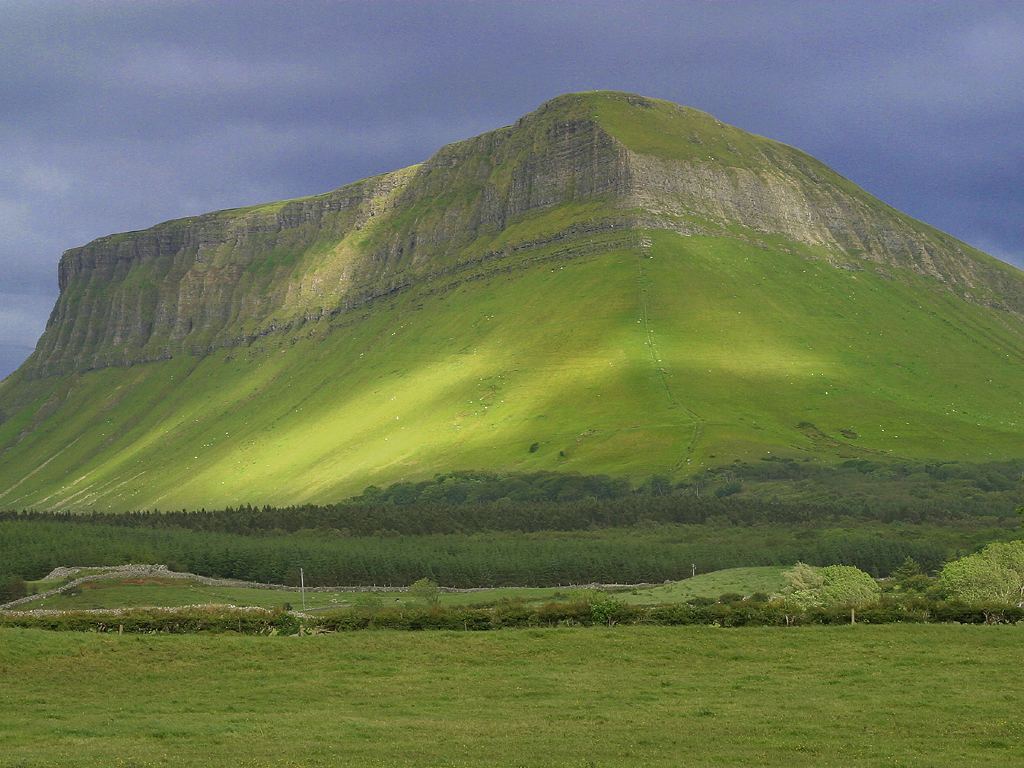
The name means “rushy mountain” in Irish. Sliabh Luachra is a highland region that straddles the Kerry-Cork border, centred roughly around the small towns of Gneeveguilla, Rathmore, and Ballydesmond. It has no official boundary. Nobody draws it on a map quite the same way.
What it does have is a musical identity so distinct that ethnomusicologists from around the world have made the journey here to document it. The music of Sliabh Luachra has been recorded, studied, and celebrated — yet the region itself remains largely invisible to most visitors.
A Music Built from Isolation
Sliabh Luachra sits in a highland valley surrounded by mountains. For much of its history, it was cut off from the larger world by poor roads and rough terrain. That isolation shaped everything — including the music.
While the rest of Munster played reels and jigs at dances and house sessions, Sliabh Luachra developed its own forms. The Kerry polka — faster and lighter than the European polka — became the dominant beat. The slide, a dance-tune form almost unknown outside this region, is still played here as naturally as breathing.
The instruments favour the fiddle and the concertina. The style is rhythmically driven and precise. There is little room for ornamentation that does not earn its place.
The Man Who Kept It Alive
If there is one figure at the centre of Sliabh Luachra’s musical memory, it is Pádraig O’Keeffe (1887–1963). He was a travelling music teacher from Glounthane, Kerry, who gave lessons across the mountain farms in exchange for a meal and a place to sleep. He never recorded professionally during his lifetime, but his pupils carried his style forward.
O’Keeffe’s playing was technically precise and deeply regional. He played tunes that existed only in Sliabh Luachra — melodies passed down without ever being written on paper. Two of his pupils, Denis Murphy and Julia Clifford, went on to record the most important collections of Sliabh Luachra music in the 20th century. Their recordings are the foundation of everything that followed.
☘️ Enjoying this? 64,000+ Ireland lovers get stories like this every week. Subscribe free →
The Kerry Set
Sliabh Luachra music was never made just for listening. It was made for dancing — specifically for the Kerry set, a form of figure dancing quite different from the sets popular in Clare or Galway.
The Kerry set is danced in pairs and squares, with quick, flat-footed steps that match the drive of the polkas. It is energetic and communal. You learn it by doing it — by watching older dancers and copying the footwork until it becomes instinct.
Today the set is taught in local schools and danced at community events. In some villages, it is still the default form of celebration at weddings. It has not been turned into a performance. It is still a participation dance.
Where the Sound Comes From
Most Irish music traditions have been smoothed and standardised through recordings and competitions. Sliabh Luachra resisted that. The tunes here carry a rougher edge. The rhythm is more insistent. The ornamentation is minimal compared to the decorated styles of East Galway or Clare — and this is why Irish fiddle players from different counties can sound entirely unlike each other.
It is the sound of a place — of wet mountain air, of long evenings, of neighbours who arrived on foot because the next village was an hour’s walk away. The music did not travel easily because it was made for exactly where it was born.
Finding Sliabh Luachra Today
The tradition has not died. Sessions happen in the pubs of Gneeveguilla, Rathmore, and across the Cork border. Céilí dances are held regularly. The Sliabh Luachra Festival draws musicians and dancers from across Ireland and beyond each summer.
If you are heading to Kerry, the region sits within easy reach of Killarney — but it requires a short detour from the tourist trail. Start by reading the unwritten rules of an Irish trad session before you go, and you will understand what you are walking into when you settle in for a slow pint while the polkas get going.
If you are still planning your visit, the Ireland trip planning guide is a good place to start shaping your route.
Most visitors to Kerry will never hear Sliabh Luachra music. They will drive through the valley without knowing what is on either side of the road. But for those who find their way to a local session on a quiet Tuesday night — and find themselves surprised by the speed of the polkas and the particular joy of the Kerry set — Ireland will feel like a bigger and stranger country than they expected. In the best possible way.
☘️ You Might Also Love
☘️ Join 64,000+ Ireland Lovers
Every Friday, get Ireland’s hidden gems, local secrets, and travel inspiration — the kind you won’t find in any guidebook.
Subscribe free — enter your email:
Free forever · · Unsubscribe anytime
Tours & experiences you might love


Powered by Viator. Some links are affiliate links — we may earn a small commission at no extra cost to you.
Secure Your Dream Irish Experience Before It’s Gone!
Planning a trip to Ireland? Don’t let sold-out tours or packed attractions spoil your journey. Iconic experiences like visiting the Cliffs of Moher, exploring the Rock of Cashel, or enjoying a guided walk through Ireland’s ancient past often sell out quickly—especially during peak travel seasons.

Booking in advance guarantees your place and ensures you can fully immerse yourself in the rich culture and breathtaking scenery without stress or disappointment. You’ll also free up time to explore Ireland’s hidden gems and savour those authentic moments that make your trip truly special.
Make the most of your journey—start planning today and secure those must-do experiences before they’re gone!
Subscribe Free