

In most Irish farmhouses two hundred years ago, the pig was not just a farmyard animal. It was the difference between surviving the year and losing the roof over your head. Families raised it, fed it from their own table scraps, named it, and dreaded the day they had to sell it.
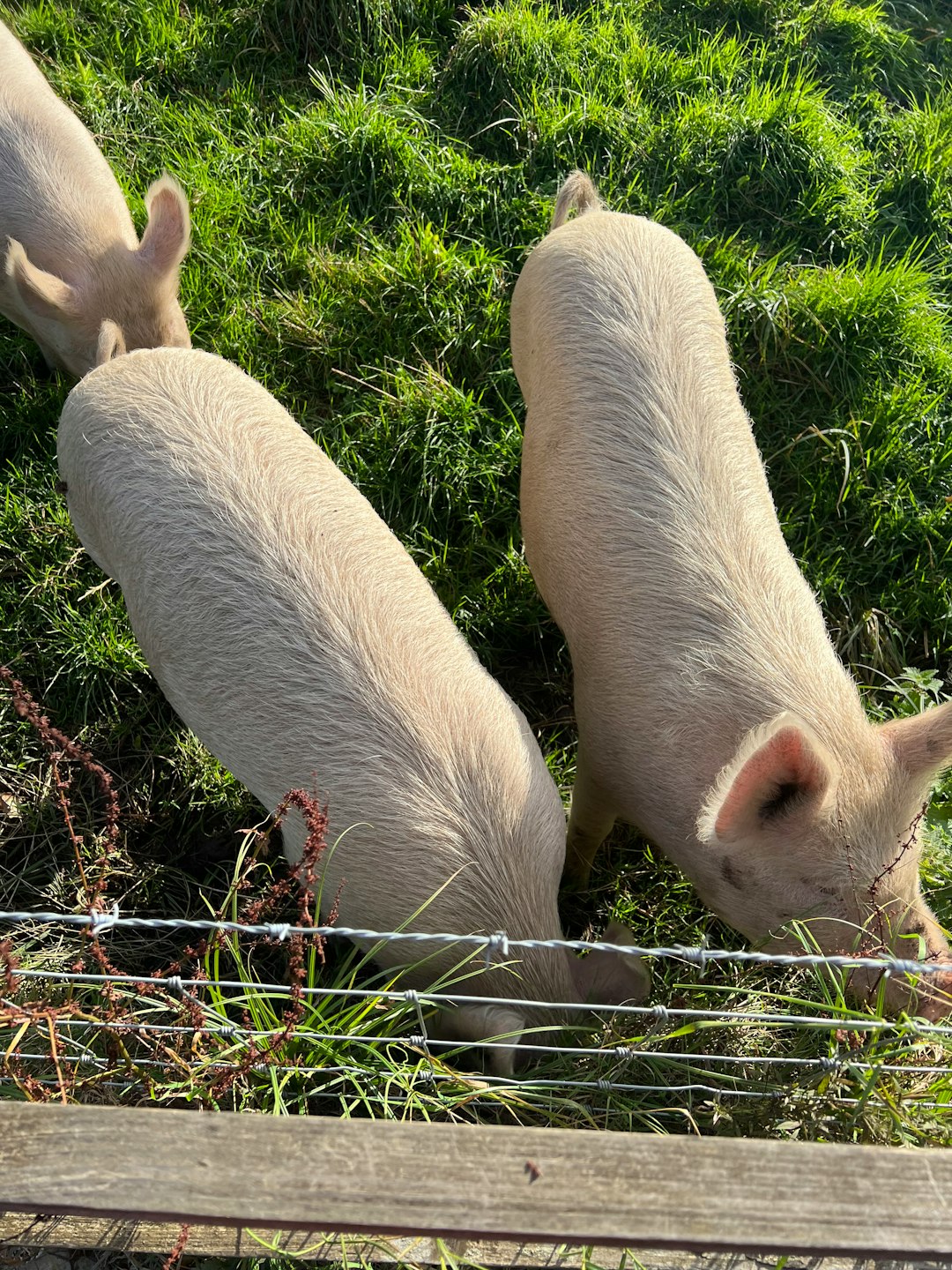
The Gentleman Who Pays the Rent
There is an old Irish expression — the pig was called “the gentleman who pays the rent.” It was not said with affection. It was said with grim accuracy.
For a smallholder farming a few acres in Connacht or Munster, the pig was often the only reliable source of cash income. Crops like potatoes fed the family through the winter. The pig was sold.
A well-fattened pig at market could fetch enough to cover six months of rent. Without that sale, a family faced serious trouble. With it, they survived another season on the land. The pig was not a luxury. It was a calculation.
Raised in the Kitchen, Not the Yard
Ask where pigs lived on an Irish farm and most people will say “the sty.” On the smallholdings of 19th-century Ireland, the answer was often: the kitchen.
Pigs were kept indoors during cold and wet weather, which in Ireland meant much of the year. They were fed on potato peelings, buttermilk and table scraps — the same economy of nothing wasted that ran the whole household.
Travellers from England wrote about this practise with astonishment. Some found it shocking. Irish families took a different view entirely. The pig was a year’s worth of survival. Of course you kept that warm.
A Member of the Family in All but Name
It was not unusual for a family pig to be given a name. Children grew up alongside it through the seasons. They fed it, spoke to it, watched it change from a squealing piglet into something their family depended on.
This created a bond that made market day genuinely hard. Parents walked the pig along the road to the fair in silence, knowing exactly what the money coming back was for — and knowing the animal going would not return.
That particular grief was understood by everyone in the townland. Nobody said much about it. It was simply how things were. You raised it, you sold it, and you got through the year.
☘️ Enjoying this? 64,000+ Ireland lovers get stories like this every week. Subscribe free →
Kill Day and the Neighbours Who Came
When the time came to slaughter a pig at home rather than sell it at market, the occasion turned into a village event. Neighbours arrived to help — the same spirit of mutual aid that the Irish called the meitheal.
Every part of the animal was used. Nothing was wasted. Blood for pudding, fat for lard, offal for immediate cooking, hams and bacon joints for curing and storing through the months ahead.
Portions were shared with those who had come to help. This was not generosity alone — it was obligation and tradition both. Those same neighbours would expect the same when their own kill day arrived. The whole system ran on reciprocity.
When the Cottage Pig Disappeared
Through the early 20th century, the cottage pig quietly faded from Irish life. Urbanisation drew families into towns and away from the smallholdings. Emigration emptied out townlands that had kept pigs for generations. Factory farming changed how pork reached the table.
The bog plots that once fed the turf fire, the small potato gardens, the kitchen pig — all of it faded together, as quietly as much of rural Ireland did across the last century.
What was lost was not simply a custom. It was a particular kind of knowledge — how to raise something from almost nothing, how to stretch every resource, how to keep a family together with very little margin for error and no safety net at all.
The Legacy Still on Every Plate
The full Irish breakfast carries this history without announcing it. The back bacon, the sausages, the black and white pudding — all of it traces back to a tradition of using every single part of the family pig and wasting nothing at all.
Ireland’s food heritage was never really about recipes. It was about people making something out of very little, and finding dignity in how they did it. If you want to understand how rural Irish families actually lived, the landscapes are still there. Start planning your trip to Ireland and head west — the stone walls, the bogland, the small fields still hold the same story.
The pig was not a pet and not a symbol. It was a practical answer to an impossible situation — and it lived in the kitchen because that was simply where it needed to be. The families who raised them understood exactly what was coming. They just knew that the animal standing by the fire tonight was the reason they were still standing there tomorrow.
☘️ You Might Also Love
Tours & experiences you might love


Powered by Viator. Some links are affiliate links — we may earn a small commission at no extra cost to you.
Secure Your Dream Irish Experience Before It’s Gone!
Planning a trip to Ireland? Don’t let sold-out tours or packed attractions spoil your journey. Iconic experiences like visiting the Cliffs of Moher, exploring the Rock of Cashel, or enjoying a guided walk through Ireland’s ancient past often sell out quickly—especially during peak travel seasons.

Booking in advance guarantees your place and ensures you can fully immerse yourself in the rich culture and breathtaking scenery without stress or disappointment. You’ll also free up time to explore Ireland’s hidden gems and savour those authentic moments that make your trip truly special.
Make the most of your journey—start planning today and secure those must-do experiences before they’re gone!
Subscribe Free