

There is a smell that does something specific to Irish people. It catches them off guard — at a petrol station in another country, in someone’s garden on a still evening — and it brings everything rushing back. It is the smell of burning turf. And before there was ever a fire, there was the bog.
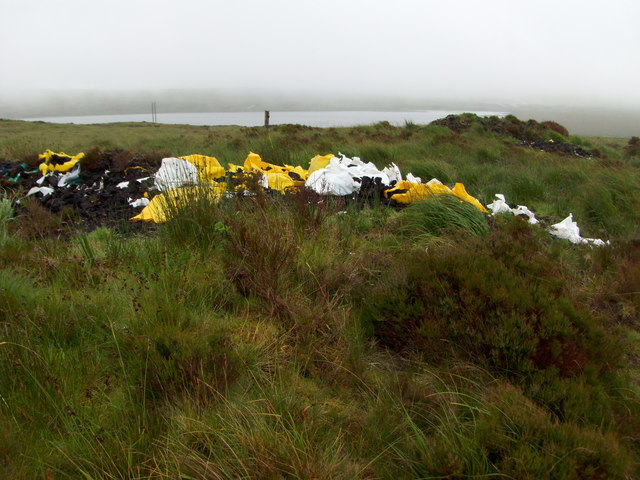
The Plot That Belonged to Your Family
In rural Ireland, a family’s bog plot was not just useful land. It was ancestral territory. Turbary rights — the legal right to cut turf from a specific stretch of bog — were inherited alongside fields and farmhouses, often passed down for generations without ever being formally written down.
Every family knew which bank was theirs. Neighbours cut beside each other year after year, their boundaries as understood as any ditch or wall. Disputes over bog plots were taken seriously — as seriously as any land matter in Ireland, which is saying quite a lot.
In Connemara, Donegal, Mayo, and Kerry, these plots are still spoken of as “our bog” — in the possessive, as naturally as someone might say “our farm”. The peat beneath was measured and claimed, not as property in the legal sense, but as something older than any deed.
The Slean and the Cut
Turf cutting begins in late spring, once the ground has dried enough to work. The tool is the slean — a long-handled spade with a right-angled footstep and a narrow blade, designed for this single purpose and no other. Nothing else cuts a block of peat so cleanly.
Each sod comes out dark brown and dense, soft with the weight of compressed centuries of vegetation. They land with a satisfying thud on the bank above. A skilled person can cut several hundred sods in a morning.
The bog has its own smell — earth and rain and something older than either, something that has not changed since people first learned to read this landscape. In a world of synthetic scents, it is one of the most genuinely ancient smells left.
Footing and Drying
Once cut, wet turf is useless. It must be stood upright to dry — a process called “footing”. The sods are stacked in small open pyramids so that wind passes freely between them. On a good drying day in the west of Ireland, you can see them stretching across the brown bog in rows, like a pattern stitched into the land.
Footing was often the work of children and women. While men cut along the bank, the rest of the family worked behind them, stacking the sods by hand. It was one of those seasonal tasks that was labour and something close to pleasure at the same time.
After two to four weeks — depending entirely on what the weather decided — the turf would be dry enough to rick. Whole families returned to the bog to build the rick: a dense, carefully overlapping stack designed to shed rain like a thatched roof and hold its shape through winter.
☘️ Enjoying this? 64,000+ Ireland lovers get stories like this every week. Subscribe free →
Bringing It Home
The bring-home was its own occasion. Horse-drawn carts gave way to tractors, but the scene was the same — load after load of dried turf carried back along bog roads to sheds and outhouses, the family working until the shed was full and the winter secured.
A family with a good supply of turf would not be cold. It was as simple and as important as that. The shed was stacked high and covered, and the smell of it sat over the farmyard from autumn onward.
You can still trace old bog roads across the Irish landscape — narrow tracks worn into hillsides by generations of carts, running down to cuttings that have long since flooded back. They lead nowhere now, but they went somewhere important for a very long time.
What the Fire Actually Meant
Turf burns slowly. It holds heat longer than wood and produces a low, even warmth that fills a room differently — deeply, almost stubbornly. The smoke is distinctive and aromatic in a way that nothing else quite matches, which is exactly why Irish people abroad recognise it immediately.
The hearth was the centre of Irish domestic life. Stories were told around it. Neighbours gathered at it. Children did their lessons by it. By longstanding custom, the fire in an Irish cottage was never allowed to go out — raked carefully at night and coaxed back to life each morning.
That fire was only possible because of what had happened months before, out on the bog, with a slean and a family who knew exactly where their cut began and where their neighbours’ began.
Still Going, Still Burning
European conservation rules have placed new restrictions on turf cutting in certain designated bogs. For many families in the west, the change has felt like losing something that predates any regulation by several thousand years. The arguments matter on both sides — ancient blanket bogs are rare and irreplaceable habitats.
But the tradition runs just as deep. The bog has always preserved what it holds — including butter that Irish farmers stored in bogs for centuries, some of it still intact when found by turf cutters centuries later. The bog keeps time differently to the rest of the world.
In Connemara, west Mayo, and parts of Donegal, families still head out to “the bog” in May and June, just as their grandparents did. The slean still goes in. The sods still pile on the bank. And the fire burns all winter long, filling the house with a smell that has no exact translation but that every Irish person recognises the moment they walk through a door.
If you are planning a trip to the west of Ireland in late spring, look out across the bogs as you drive the back roads. You may see rows of standing turf, quiet and unremarkable to an untrained eye.
Now you know what you are looking at — and what it took to put them there.
Frequently Asked Questions
What are turbary rights?
Turbary rights are the legal right to cut turf from a specific stretch of bog. In Ireland they were traditionally inherited alongside land, often passed down for generations without being formally written down, and neighbours’ banks were respected as reliably as any fenced boundary.
What is a slean?
A slean (sleán) is the long-handled spade used for cutting turf, with a right-angled footstep and a narrow blade designed to slice a clean block of peat from the bank in a single motion. Regional versions vary — the Midlands’ raised bogs favoured a double-edged slean, while wetter blanket bogs in the west often used a single-sided, slightly curved blade.
How long does cut turf take to dry?
Once cut and “footed” (stacked upright to let the wind through), turf typically takes two to four weeks to dry enough to be built into a rick, though this depends entirely on the weather that season.
Why is turf cutting restricted on some Irish bogs today?
Under the EU Habitats Directive, dozens of raised bogs were designated as Special Areas of Conservation from the late 1990s onward, and commercial and domestic turf cutting was banned on those protected sites from 2011. Turf cutters with rights on designated bogs have been offered compensation or relocation to non-designated bogs, and cutting continues as before on the many bogs that fall outside these protected areas.
☘️ You Might Also Love
Tours & experiences you might love


Powered by Viator. Some links are affiliate links — we may earn a small commission at no extra cost to you.
Secure Your Dream Irish Experience Before It’s Gone!
Planning a trip to Ireland? Don’t let sold-out tours or packed attractions spoil your journey. Iconic experiences like visiting the Cliffs of Moher, exploring the Rock of Cashel, or enjoying a guided walk through Ireland’s ancient past often sell out quickly—especially during peak travel seasons.

Booking in advance guarantees your place and ensures you can fully immerse yourself in the rich culture and breathtaking scenery without stress or disappointment. You’ll also free up time to explore Ireland’s hidden gems and savour those authentic moments that make your trip truly special.
Make the most of your journey—start planning today and secure those must-do experiences before they’re gone!