

A single magpie lands on the fence post ahead of you. Without thinking, you nod your head. Maybe tip a finger to your forehead. Maybe mutter something under your breath. Then you drive on.
Ask an Irish person why they do it and most will laugh. Then they will do it again tomorrow.
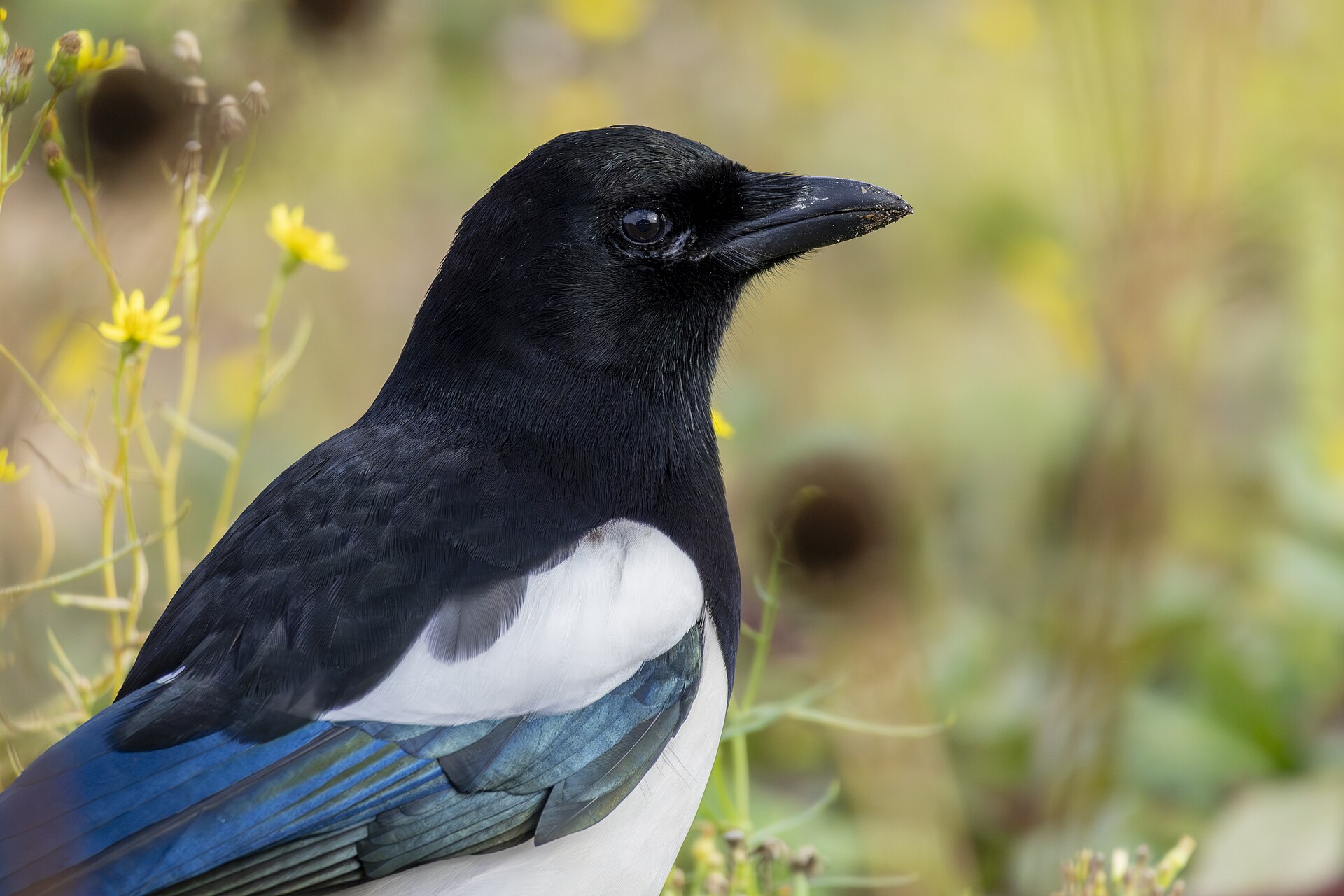
One for Sorrow, Two for Joy
Every Irish child grows up knowing the rhyme. One magpie means bad luck. Two means good luck. Three for a girl, four for a boy. The full version runs to nine birds, each one carrying a different omen.
The salute is the antidote. Greet the solitary magpie with respect — “Good morning, Mr Magpie. How is your wife today?” — and the bad luck is cancelled. The logic has nothing to do with logic. That, more or less, is the whole point.
The rhyme appears in written English sources from the 1780s, but the tradition in Ireland has older roots. The magpie itself arrived on the island relatively late, around the 1600s. It was looked at with suspicion from the start — a foreign bird, black and white, too clever and too bold by half.
The Shoes on the Table
The magpie is one of dozens of everyday piseogs — small domestic superstitions — that still survive in Irish households. Put new shoes on the table and you are asking for trouble.
The origins vary depending on who you ask. Some trace it to the shoes placed on a body laid out for a wake. Others connect it to miners whose boots were hung up after a fatal accident. Some say it is simply about treating footwear carelessly and inviting bad fortune in through the front door.
The explanation shifts. The feeling does not. Most Irish people would quietly move the shoes without being able to say exactly why they did it.
Itchy Palms and Red-Haired Strangers
An itchy right palm means money is coming. An itchy left palm means money is leaving. The cure for an itchy left palm is to rub it on wood — old wood if possible. Nothing smooth or freshly cut.
Red-haired strangers were considered unlucky to meet first thing in the morning, particularly in rural areas. A red-haired woman crossing your path before breakfast was enough reason for some households to stay indoors a little longer and try again.
These beliefs are not unique to Ireland. Versions of them appear across Britain and mainland Europe. What gives the Irish piseog its staying power is how long these customs survived into the twentieth century, and how casually people still observe them today.
If you are planning a trip to Ireland and want to make a good impression on the locals, a quick nod to the first lone magpie you see will not go unnoticed.
☘️ Enjoying this? 64,000+ Ireland lovers get stories like this every weekday morning. Subscribe free →
Why the Superstitions Stuck
Ireland’s rural communities were isolated for centuries. Without the vocabulary of science, unusual events needed explanations. If the milk soured after a red-haired woman passed, you connected the two things. It made the world feel less random. Patterns became rules.
The Catholic Church was uncomfortable with folk beliefs like these. Priests condemned piseogs from the pulpit. Families observed them quietly at home. The piseog was not a rival faith — it was about butter and salt and fire and luck. It governed the small, practical things. It said something about how people understood the thin line between a good day and a terrible one.
The same impulse shaped other old customs too, like the belief that your bees must be told of a death in the household before any neighbour was informed. The natural world was thought to be watching, and it needed to be kept informed.
Still Saluting
Walk through any Irish county today and you will find people who insist they are not superstitious, then salute a lone magpie without missing a beat. A grandmother who keeps her handbag off the floor will scold a grandchild for putting shoes on the table. Someone will tell you never to give a knife as a gift without taping a coin to it, so the blade is technically bought and not given.
These habits sit somewhere between belief and reflex. The brain has moved on. The body still remembers.
Irish rural traditions run deeper than most visitors expect. The same fields where farmers still plough carefully around fairy forts are the fields where the magpie rhyme is still being said — even by people who would laugh if you asked them whether they believed it.
The piseog is not a belief system. It is a way of paying attention — to birds, to luck, to the small signs that the day gives you. Whatever you believe, Ireland has a way of making you watch the fence post just that little bit more carefully.
☘️ You Might Also Love
Tours & experiences you might love


Powered by Viator. Some links are affiliate links — we may earn a small commission at no extra cost to you.
Secure Your Dream Irish Experience Before It’s Gone!
Planning a trip to Ireland? Don’t let sold-out tours or packed attractions spoil your journey. Iconic experiences like visiting the Cliffs of Moher, exploring the Rock of Cashel, or enjoying a guided walk through Ireland’s ancient past often sell out quickly—especially during peak travel seasons.

Booking in advance guarantees your place and ensures you can fully immerse yourself in the rich culture and breathtaking scenery without stress or disappointment. You’ll also free up time to explore Ireland’s hidden gems and savour those authentic moments that make your trip truly special.
Make the most of your journey—start planning today and secure those must-do experiences before they’re gone!
Subscribe Free