

You are about to head out on the water. The boat is ready, the nets are packed, and the tide is turning in your favour. Then you see her at the end of the lane — a red-haired woman. Without a word, you turn around and go home. Every man in the crew would understand. Every fisherman along the western seaboard would do the same.
This was not superstition in the casual, modern sense. It was protocol.
The Fisherman’s Code of Omens
Irish fishing communities had a strict set of rules for what could and couldn’t be said or done before going to sea. Certain words were forbidden — “rabbit”, “hare”, “priest”, “salmon”. Saying any of these aloud could doom a voyage before it began. But visual omens were just as serious as spoken ones.
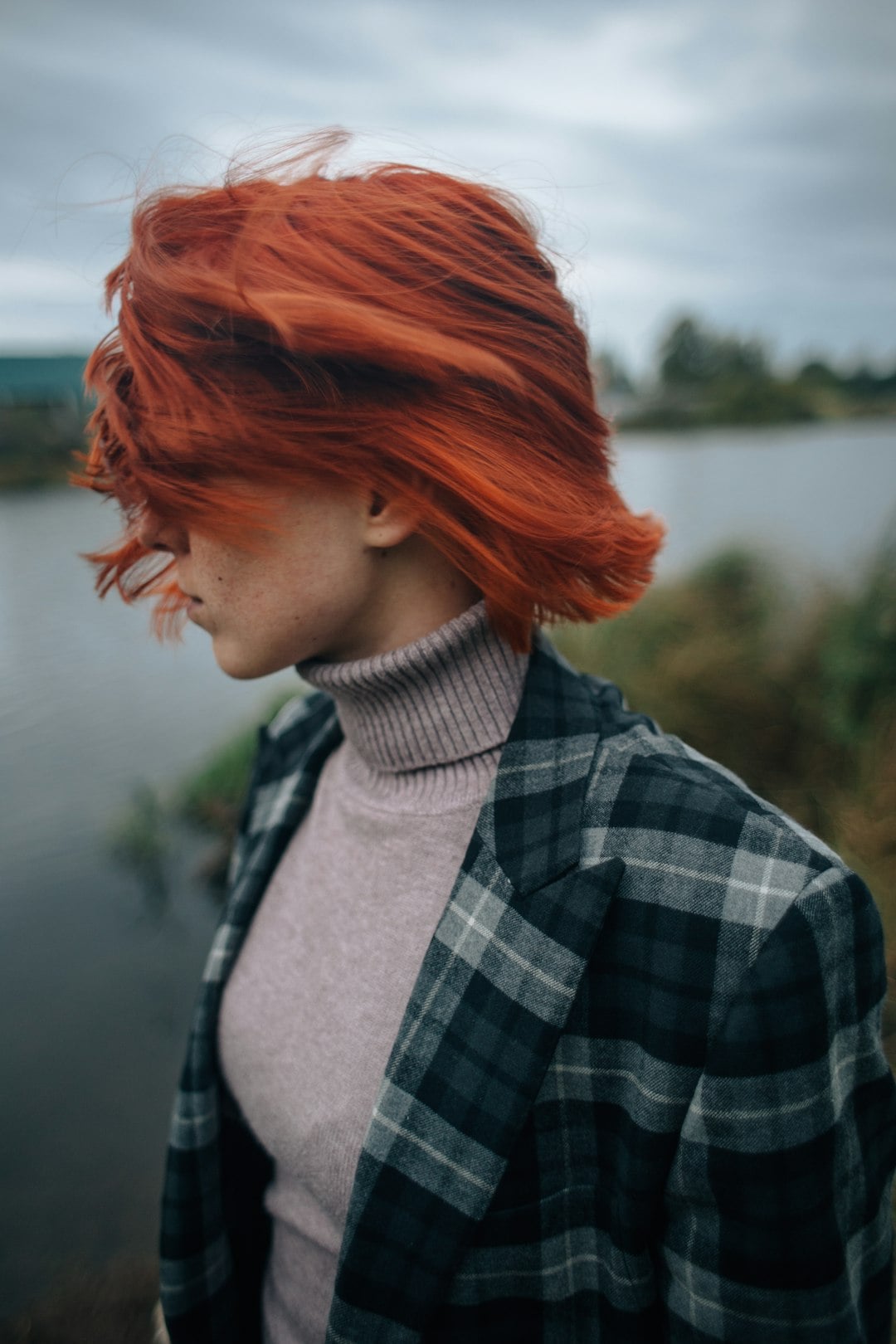
Seeing a red-haired woman on the path to the harbour was considered one of the most powerful bad omens a fisherman could encounter. Some believed you had to turn back entirely. Others said you had to speak to her before she spoke to you — only then could the curse be deflected.
The superstition was documented in coastal communities from Kerry to Donegal, from Clare to Connaught. Folklorists collecting oral traditions in the 19th and early 20th centuries found it again and again, barely varying from one parish to the next.
Why Red Hair Carried Otherworldly Weight
In Irish mythology and folk belief, the colour red carried associations that went far beyond the physical. The Irish word rua — covering auburn, dark red, and russet tones — was used to describe both hair and the qualities of the otherworld.
The Morrigan, the shape-shifting war goddess who appeared to heroes before battle, was often described as red-haired. Red-haired figures appeared at thresholds, at liminal moments, at the edge of things. An encounter with them marked a moment when the ordinary world and the supernatural were touching.
For a fisherman setting out before dawn, the harbour was already a threshold — a crossing between land and sea, safety and danger. An otherworldly encounter at that moment, in that place, was not something to dismiss lightly. Other explanations point to history rather than myth: some trace the association to Viking raiders, whose red hair marked them as a threat along the coast, while others link it to the belief that Cain and Judas were both depicted as red-haired in medieval iconography.
When the Omen Struck Hardest
The superstition was strongest at liminal hours and places. Dawn was considered the most vulnerable time of day in Irish folk belief — neither night nor full day, a crack between states. The harbour was equally in-between: neither land nor sea.
A red-haired woman encountered at dawn, at the harbour entrance, or at the front door as you were leaving for the water — this was the worst possible combination. It didn’t matter if she was a neighbour, a stranger, or a relative. The colour of her hair was what mattered.
In some accounts, even a red-haired man could trigger the same response in these circumstances. But it was the bean rua — the red woman — who appeared most often in the recorded folklore. Fishermen already lived by a detailed set of omens. You can read about the forbidden words in our piece on why Irish fishermen would never say these words before going to sea.
☘️ Enjoying this? 64,000+ Ireland lovers get stories like this every week. Subscribe free →
The Remedy Was in the Meeting
One of the most interesting aspects of this superstition was that it had a solution. You did not simply accept the bad luck and head home to brood. There were rituals to undo the curse.
Speaking to the red-haired person before they spoke to you was the most common remedy. In doing so, you changed the nature of the encounter — you took the initiative and shifted the power. The curse required passivity. Action could counter it.
Turning back home and restarting the journey was another method — essentially resetting the day, wiping out the bad omen by beginning again. Some communities believed that touching iron, or saying a particular blessing, could neutralise the encounter entirely. The important thing was to act. Ignoring the omen was considered riskier than the omen itself. For more real accounts of this belief in practice, read more real accounts of Connemara fishermen and this omen.
Ireland’s Reddest Irony
Here is the thing about this superstition: Ireland is the most red-haired country in the world. Around 10 to 13 per cent of the Irish population has naturally red hair — the highest proportion of any nation on earth. Ireland didn’t just produce this superstition. It produced the hair colour it was frightened of.
Red-haired Irish people grew up in a culture that simultaneously celebrated their hair as a mark of identity and wove folk beliefs around its danger. Entire coastal communities held the belief while having red-haired family members, neighbours, and fishing companions. The logic was never about the person — it was about the moment, the place, and the crossing of paths.
Today the superstition has faded from everyday practice, though older fishermen on the western seaboard still remember their fathers keeping to it. One of the most fully documented versions of this belief comes from the Claddagh fishing village in Galway, where it was known as “the curse of the red-haired daughter” — a specific local legend that fishing families passed down for generations. It sits alongside other forgotten beliefs, like the magpie rhyme that still tells your fortune if you’re paying attention.
What Stays Behind When the Belief Fades
What these old beliefs really tell us is something about how the Irish understood the world. Not as a predictable place of cause and effect, but as something porous — full of signs and thresholds, where the everyday could tip into the otherworldly in an instant.
They loved their redheads. They feared the omen. They held both truths at once. That’s a very Irish way to live.
If you are planning a visit to the west coast communities where these traditions ran deepest, our Ireland trip planning guide is the best place to start.
☘️ You Might Also Love
Tours & experiences you might love


Powered by Viator. Some links are affiliate links — we may earn a small commission at no extra cost to you.
Secure Your Dream Irish Experience Before It’s Gone!
Planning a trip to Ireland? Don’t let sold-out tours or packed attractions spoil your journey. Iconic experiences like visiting the Cliffs of Moher, exploring the Rock of Cashel, or enjoying a guided walk through Ireland’s ancient past often sell out quickly—especially during peak travel seasons.

Booking in advance guarantees your place and ensures you can fully immerse yourself in the rich culture and breathtaking scenery without stress or disappointment. You’ll also free up time to explore Ireland’s hidden gems and savour those authentic moments that make your trip truly special.
Make the most of your journey—start planning today and secure those must-do experiences before they’re gone!