

Every Irish emigrant knows the moment. You land abroad, reach for the kettle, and brew what should be a simple cup of tea. It looks right. It smells almost right. But the first sip tells you everything: this is not tea. Not really. Not the way tea should taste.
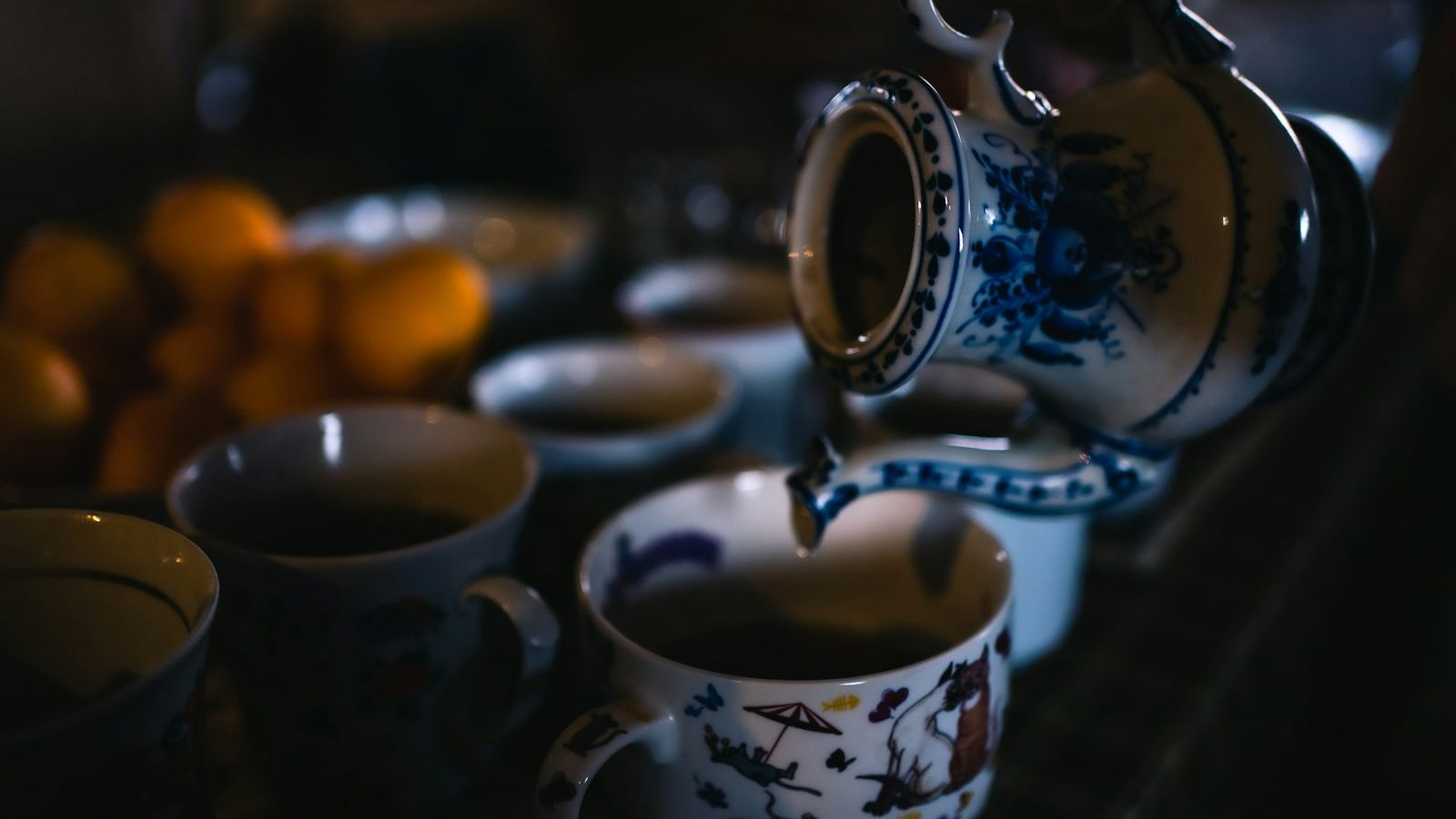
Why Irish Tea Is Different
It starts with the blend. Barry’s and Lyons both mix their tea heavy on Assam and African leaves, producing a deep, dark, almost malty brew designed to stand up to a generous pour of milk — a different recipe to the lighter blends sold abroad.
Water plays a part too, though it’s more complicated than the old story that “Ireland has soft water.” Hardness actually varies a lot by region: Dublin, Cork and the midlands sit on limestone and run hard, while granite areas like the west and Wicklow are notably softer. Whatever the local water, the same tea bag brewed abroad — with both a different blend and a different water profile — simply tastes weaker, thinner, missing the specific depth Irish drinkers grew up with.
Then there is the ritual. In Ireland, tea is not a drink. It is a declaration. A kettle going on means someone is staying. It means the conversation is worth having. It is, in its quiet way, one of the most Irish things there is.
Barry’s vs Lyons — The Divide That Splits Families
No disagreement in Irish life is more passionately held than this one. Barry’s is Cork. Lyons is everywhere else. Grown adults have walked out of kitchens over it.
Barry’s Tea was founded in Cork in 1901 by James J. Barry. It has a loyal, almost tribal following in Munster. The gold blend is thick and full-bodied, designed to stand up to a generous pour of milk. Cork people do not consider any other option.
Lyons, founded in Dublin around the same era as Barry’s (the early 1900s), has the broader national reach. It blends differently — slightly lighter, perhaps more consistent across regions. Neither side will admit the other has merit. This is not a debate you resolve. It is a fact you inherit.
☘️ Enjoying this? 64,000+ Ireland lovers get stories like this every weekday morning. Subscribe free →
The Suitcase Rule
☘️ Love Irish Food & Culture?
Every Wednesday, we send our best Irish recipes, food stories, and kitchen traditions straight to your inbox. Join 64,000+ readers who love Ireland.
Every Irish person living abroad follows it. When someone visits from home, the request is always the same: bring tea. Not wine. Not biscuits. Tea.
Irish emigrants have been known to carry multiple boxes of Barry’s or Lyons in checked luggage, wrapped carefully to protect them from breakage. When the supply runs low, a specific kind of quiet panic sets in. The countdown begins: how many cups do I have left?
This is not eccentricity. It is cultural memory. The taste of a proper cup of tea is the taste of home — of a particular kitchen, a particular voice saying “will you have a cup?” before anything else was said at all.
How the Irish Actually Make Tea
There are rules. They are unwritten but absolute. The water must be fully boiled — not simmering, not heated, boiling. The bag goes in first. The water goes on second. Then it mashes.
“Mashing” means leaving it to steep properly — not a quick dunk and out. Two to three minutes minimum. In some households, significantly longer. The bag is pressed against the side of the mug with the back of a spoon to extract every last drop.
Milk goes in after. A proper amount — not a splash, not a dash, but enough to turn the brew from near-black to a particular shade of brown with no precise name but which every Irish person would recognise on sight. Sugar is optional. Biscuits are mandatory. The full Irish food experience begins and ends with what ends up in your cup.
The Social Language of Tea
“Stick on the kettle” is not an instruction. It is a signal. It means something difficult is about to be discussed, or someone has arrived who matters, or everything has gone wrong and there is nothing to do now but sit down and wait for the tea to brew.
Tea appears at wakes, at hospital waiting rooms, after funerals, after bad news, after good news. It is the first thing offered when someone crosses your threshold. Refusing a cup is slightly rude. Accepting it means you are welcome and you know it.
The full Irish breakfast is not complete without it. A pub session is improved by it. A walk on a wet Connemara afternoon ends with it. This is the rhythm of Irish life, and tea is the metronome.
When you visit Ireland, accept every cup that is offered. It is never just tea. It is the country telling you that you are, for this moment, exactly where you are supposed to be.
☘️ You Might Also Love
☘️ Join 64,000+ Ireland Lovers
Every Friday, get Ireland’s hidden gems, local secrets, and travel inspiration — the kind you won’t find in any guidebook.
Free forever · Unsubscribe anytime
☘️ Get More Irish Recipes & Stories
Join 64,000+ readers for weekly Irish recipes, food traditions, travel guides, and hidden gems. Free every morning.
Tours & experiences you might love


Powered by Viator. Some links are affiliate links — we may earn a small commission at no extra cost to you.
Secure Your Dream Irish Experience Before It’s Gone!
Planning a trip to Ireland? Don’t let sold-out tours or packed attractions spoil your journey. Iconic experiences like visiting the Cliffs of Moher, exploring the Rock of Cashel, or enjoying a guided walk through Ireland’s ancient past often sell out quickly—especially during peak travel seasons.

Booking in advance guarantees your place and ensures you can fully immerse yourself in the rich culture and breathtaking scenery without stress or disappointment. You’ll also free up time to explore Ireland’s hidden gems and savour those authentic moments that make your trip truly special.
Make the most of your journey—start planning today and secure those must-do experiences before they’re gone!