

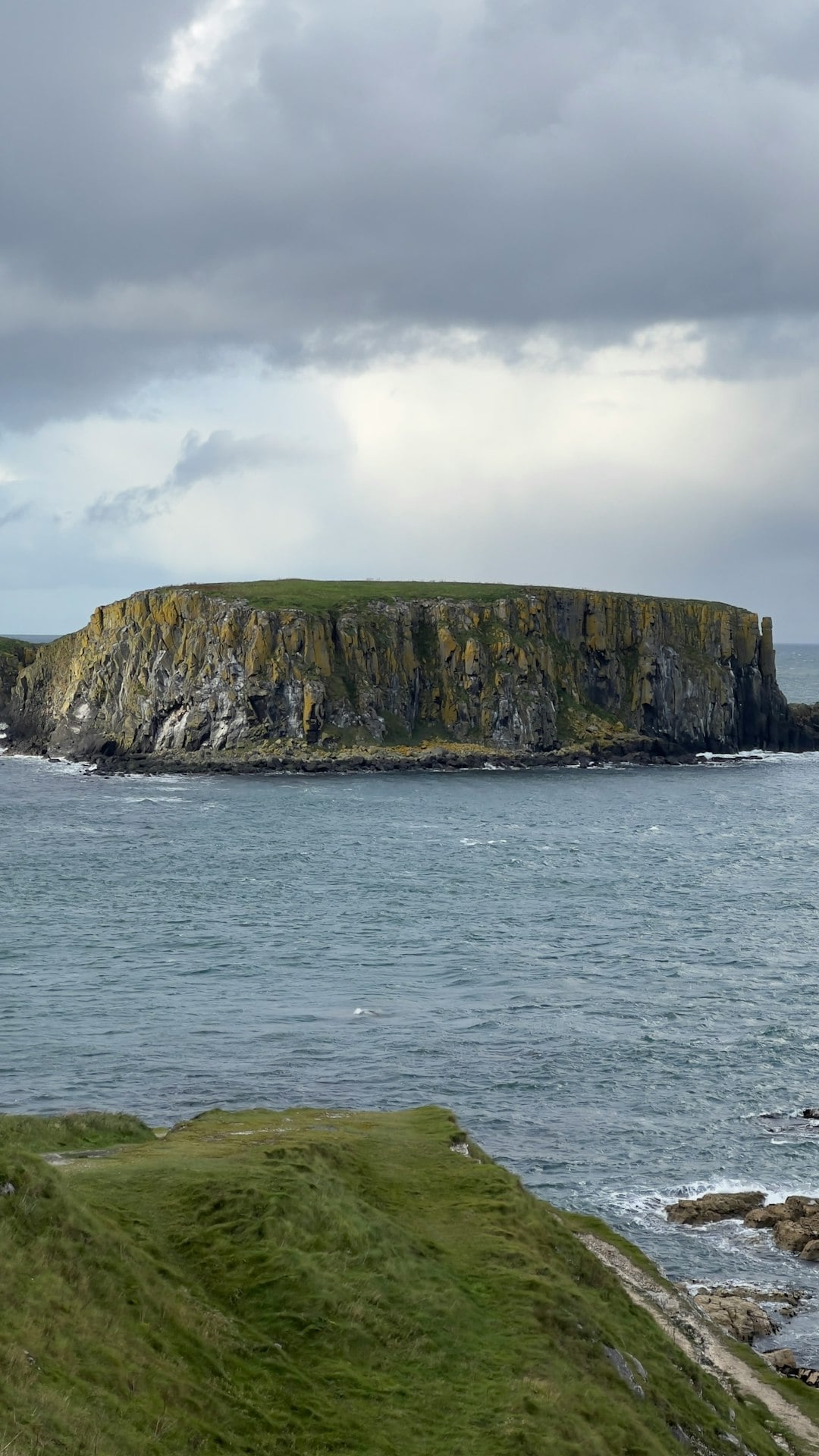
Three miles off the tip of the Dingle Peninsula, battered by Atlantic storms so ferocious that supply boats sometimes couldn’t land for weeks at a stretch, sits a small island that most visitors to Kerry have never heard of. At its peak, the Great Blasket Island had fewer than 200 residents. Yet from this isolated scrap of rock, three books emerged that changed how the world understood the Irish soul.
A World Unto Itself
The Blasket Islanders spoke only Irish. They fished by currach — the traditional canvas-covered boats that could be launched from rocky shores in weather that would stop larger vessels cold.
Their homes were stone. Their winters were punishing. Their community existed in near-total isolation from the mainland, bound together by kinship and the particular discipline of people who knew the sea could take them at any moment.
There were no roads, no electricity, no doctor within reach. What they did have was a storytelling tradition so rich, so layered, that when scholars arrived from the mainland in the early twentieth century, they couldn’t quite believe what they had found.
Three Books, One Tiny Island
Tomás Ó Criomhthain was a fisherman and farmer who kept a diary at the suggestion of an academic visitor. The result, An tOileánach — The Islandman — was published in 1929 and became one of the most celebrated works in the Irish language.
His intention, in his own words, was to leave a record of his people’s way of life before it vanished completely.
Muiris Ó Súilleabháin was barely twenty when he wrote Fiche Blian ag Fás — Twenty Years A-Growing — a luminous, joyful memoir of island childhood that was translated into more than a dozen languages and praised by no less than E.M. Forster.
Then there was Peig Sayers. A storyteller of extraordinary gifts, she dictated her autobiography to her son. That book — simply called Peig — became required reading in Irish schools for decades, a portrait of a woman whose inner life was as vast as the ocean she looked out at every morning.
Three books. One community of fewer than 200 people. Written in a place with no library, and no silence that wasn’t broken by the Atlantic.
Why the Islanders Had to Leave
By the 1940s, the island’s population had fallen to a few dozen elderly residents. Young people were leaving for the mainland, for England, for America — anywhere that offered work and a future.
In the winter of 1947, a young man died because no rescue boat could break through the storms in time to reach him. That loss haunted the community and accelerated what had long felt inevitable.
In 1953, the remaining twenty-two islanders signed a petition asking the Irish government to evacuate them to the mainland. On 17th November of that year, they gathered what they could carry, boarded a vessel, and crossed to Dún Chaoin.
Many never stopped looking back across the water for the rest of their lives.
What You Find There Today
In summer, boats carry visitors from Dún Chaoin out to the island. You walk through a village of stone ruins — roofless houses, doorways open to the sky, paths worn smooth by people who have been gone for more than seventy years.
It is profoundly quiet in a way that feels inhabited, not empty.
The Blasket Centre on the mainland at Dún Chaoin is one of Ireland’s finest heritage museums. If you’re planning a trip to Ireland, the Dingle Peninsula — with its ancient stone forts, Irish-speaking communities, and extraordinary literary legacy — deserves far more than a passing detour.
If your own roots run into Kerry soil, you might find further meaning in exploring the origins of Kerry’s ancient surnames, many of which trace back to coastal and island communities not unlike the Blasket itself.
The Legacy That Cannot Be Undone
The Irish government has occasionally discussed the possibility of limited repopulation on the island. Nothing has been decided. The houses continue their slow return to the landscape that made them.
What cannot be undone are the books. Three works from one tiny community, on one of Europe’s most remote islands, written in a language the wider world had long overlooked. They are among the most remarkable things Ireland has ever produced.
If you’ve ever felt Ireland pulling at you from across an ocean — felt it in your chest rather than just your head — then the Blasket Islanders understood that feeling long before anyone had words for it. Their writing is a letter posted across seventy years of silence.
The Love Ireland newsletter at loveireland.substack.com brings this kind of deep Irish storytelling to your inbox each week — the history, the culture, and the characters that make Ireland unlike anywhere else on earth.
And when you’re ready to plan your own Irish heritage journey, the coast of Kerry — with its memory-soaked islands and stone-scattered cliffs — might be exactly where you need to begin.
☘️ You Might Also Love
64,000 Ireland lovers can’t be wrong.
Every week, our free newsletter delivers hidden gems, seasonal guides, local stories, and practical travel tips — straight to your inbox. Join the community that loves Ireland as much as you do.
☘️ Want More Hidden Ireland?
Join 64,000+ subscribers who discover Ireland’s best-kept secrets every week.
Subscribe Free — Join the Community →
Free forever · Unsubscribe anytime · No spam
📥 Free Download: Ireland Travel Planning Guide
Our most popular resource — itineraries, insider tips, and the 50 places you must not miss.
Tours & experiences you might love


Powered by Viator. Some links are affiliate links — we may earn a small commission at no extra cost to you.
Secure Your Dream Irish Experience Before It’s Gone!
Planning a trip to Ireland? Don’t let sold-out tours or packed attractions spoil your journey. Iconic experiences like visiting the Cliffs of Moher, exploring the Rock of Cashel, or enjoying a guided walk through Ireland’s ancient past often sell out quickly—especially during peak travel seasons.

Booking in advance guarantees your place and ensures you can fully immerse yourself in the rich culture and breathtaking scenery without stress or disappointment. You’ll also free up time to explore Ireland’s hidden gems and savour those authentic moments that make your trip truly special.
Make the most of your journey—start planning today and secure those must-do experiences before they’re gone!