

In April 1994, an Irish television audience settled in to watch the Eurovision Song Contest. The show was in Dublin that year. The interval act was seven minutes long. Nobody expected what came next.
What followed those seven minutes changed how Ireland saw itself — and how the world saw Ireland.
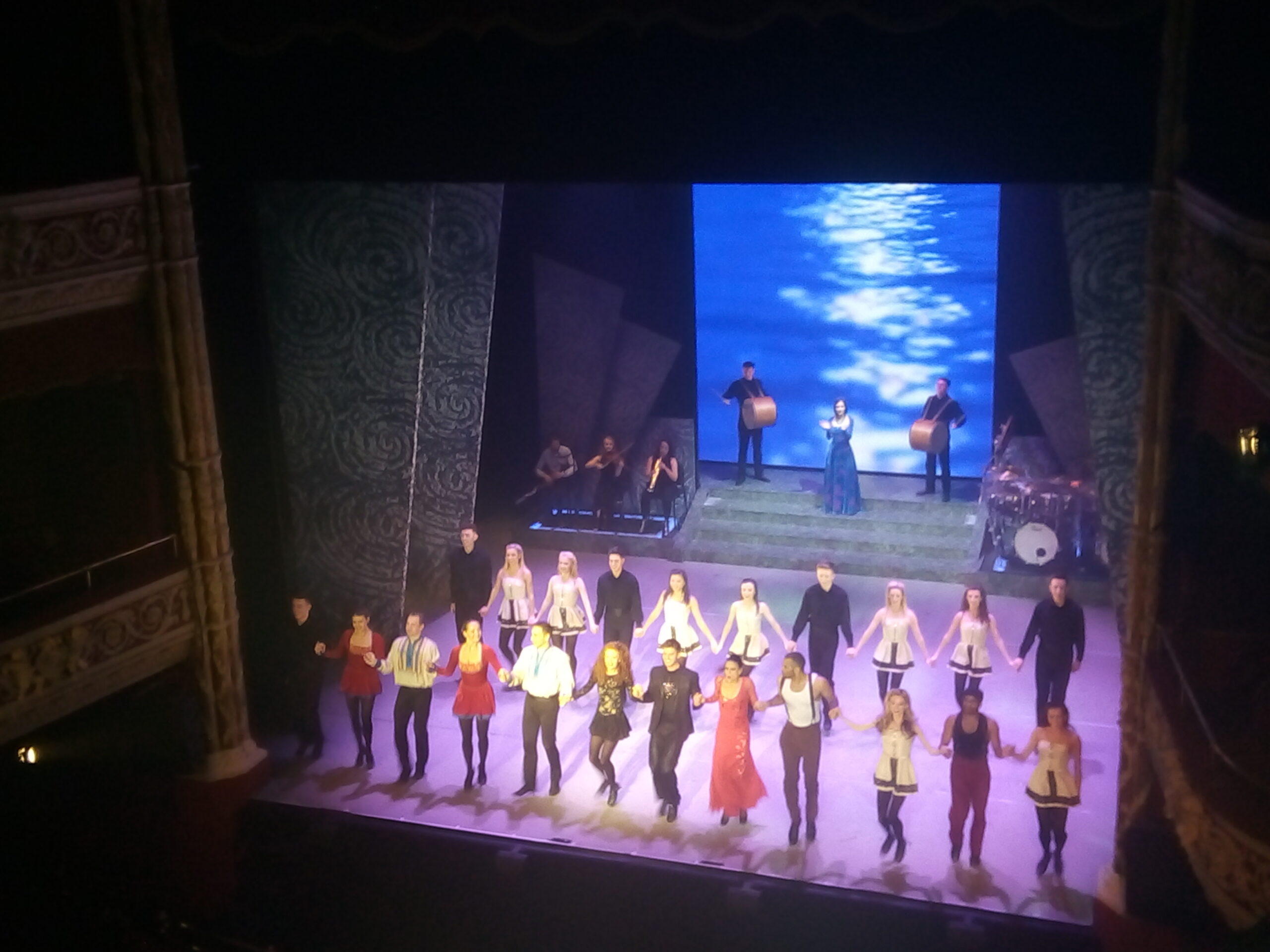
Before That Night
Irish step dancing was a genuine tradition. Children across Ireland attended Saturday morning classes run by An Coimisiún le Rincí Gaelacha — the Irish Dancing Commission — which had regulated and preserved the form since 1930.
Competitions were serious and technical. Costumes were elaborate. Dancers held their arms rigidly at their sides. The reasons behind that rule are more interesting than most people realise, but by the 1980s, the overall image of competitive Irish dancing felt more like a school-hall obligation than a living art form.
For many Irish people — particularly in the cities — it was something children did until they stopped. It carried little glamour and not much cultural prestige. The idea that it could stop an international broadcast dead in its tracks would have seemed unlikely.
The Interval That Changed Everything
Composer Bill Whelan wrote a piece of music specifically for the Eurovision interval. Dancers Michael Flatley and Jean Butler had seven minutes to fill the stage at Dublin’s Point Theatre — the venue now known as the 3Arena.
When the piece began, something unexpected happened. The footwork was thunderous. The energy was raw. The music built to something close to overwhelming — and the dancers moved in a way that made the traditional form feel genuinely powerful.
By the time the seven minutes ended, a live audience of thousands — and a television audience estimated at 300 million worldwide — was on its feet. The response was immediate. The Irish press the following morning could barely account for what had just happened.
What the Irish Diaspora Felt
The reaction from the diaspora was intense. In Boston, Chicago, New York, and Sydney, people who had grown up with a complicated relationship with their Irish roots had just watched their culture stop a global broadcast dead.
For many second and third-generation Irish-Americans, it was the first time their heritage had felt like something to genuinely stand up about. The arms-at-sides discipline was no longer rigid — it was control. The footwork was electrifying precisely because the upper body was still.
People who had never set foot in a dance class wanted to. People who had grown up in Irish dancing schools felt, for possibly the first time, genuinely proud of it.
☘️ Enjoying this? 64,000+ Ireland lovers get stories like this every week.
Thinking about it for retirement?
If you’ve started thinking seriously about retiring there, our complete our full Retire in Ireland guide covers the visa, healthcare, cost-of-living, and the regions worth shortlisting.
Subscribe free →
The Show That Followed
The seven-minute interval act became a two-hour production. Riverdance as a full show premiered at Dublin’s Gaiety Theatre in February 1995. It sold out immediately.
Over the following 25 years, the show toured 46 countries and was seen live by over 25 million people. Spin-off productions — Lord of the Dance, Celtic Tiger, and Feet of Flames — toured arenas worldwide and introduced Irish step dancing to audiences who had never heard of An Coimisiún, let alone watched a feis.
The cultural footprint was extraordinary. A form considered provincial in the 1980s was now one of the most-watched live performance exports in the world.
What It Did for Irish Dancing Schools
The effect on enrolment was immediate. In cities with large Irish communities — Chicago’s South Side, Boston’s Dorchester, New York’s Woodside — Irish dancing schools that had quietly survived for decades suddenly couldn’t accommodate everyone who wanted to join.
In Ireland itself, the competitive circuit expanded. The standard rose sharply. More schools opened. More families enrolled their children. A form that had been drifting towards irrelevance was suddenly the cultural export every Irish person was talking about.
Today, over 400,000 people worldwide are formally enrolled in Irish dancing. The Riverdance touring companies alone have included dancers from more than 45 countries over the decades.
Seeing It for Yourself
Irish dance is still very much alive — in competitions, in sessions, and in regular live performances across Ireland. If you’re planning a trip to Ireland, a live Irish dance show is one of the most direct connections you can make to the tradition.
Dublin has the most consistent programme of Irish dance performances. The full Dublin guide covers what’s on and where to find it.
Seven minutes. Three hundred million viewers. A culture that had been fading — and didn’t.
☘️ Join 64,000+ Ireland Lovers
Every Friday, get Ireland’s hidden gems, local secrets, and travel inspiration — the kind you won’t find in any guidebook.
Subscribe free — enter your email:
Love more? Join 43,000 Scotland lovers → · Join 30,000 Italy lovers → · Join 7,000 France lovers →
Free forever · · Unsubscribe anytime
Tours & experiences you might love


Powered by Viator. Some links are affiliate links — we may earn a small commission at no extra cost to you.
Secure Your Dream Irish Experience Before It’s Gone!
Planning a trip to Ireland? Don’t let sold-out tours or packed attractions spoil your journey. Iconic experiences like visiting the Cliffs of Moher, exploring the Rock of Cashel, or enjoying a guided walk through Ireland’s ancient past often sell out quickly—especially during peak travel seasons.

Booking in advance guarantees your place and ensures you can fully immerse yourself in the rich culture and breathtaking scenery without stress or disappointment. You’ll also free up time to explore Ireland’s hidden gems and savour those authentic moments that make your trip truly special.
Make the most of your journey—start planning today and secure those must-do experiences before they’re gone!
Subscribe Free